
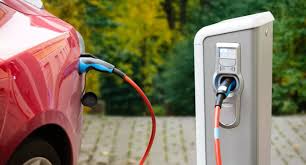
As electric vehicles (EVs) become more popular, many homebuyers are looking for properties equipped with Electric Vehicle Supply Equipment (EVSE), commonly known as charging stations, charge points, or charging docks. If you’re in the market for a new home and are considering one with built-in EVSE, here’s what you need to know to make an informed decision.
1. Understanding EVSE
What is EVSE?
- Definition: EVSE, or Electric Vehicle Supply Equipment, is the infrastructure used to charge electric vehicles. It includes the hardware needed to safely deliver electricity from your home’s power supply to your EV.
- Types: EVSE comes in various types and levels, including Level 1 (standard household outlet), Level 2 (240V outlet), and DC fast charging (high-speed charging usually found at public stations).
2. Check the Type of Charging Station
Level 1 Charging
- Description: Uses a standard 120V outlet and is the slowest form of charging.
- Consideration: Ideal for overnight charging if you drive short distances daily but may not be sufficient for frequent long trips.
Level 2 Charging
- Description: Uses a 240V outlet, providing faster charging compared to Level 1.
- Consideration: This is the most common type of residential charging station and is suitable for most EV owners who need quicker turnaround times.
DC Fast Charging
- Description: Provides rapid charging and is typically found in public charging stations.
- Consideration: Less common in residential settings due to high installation costs and power requirements.
3. Evaluate the Installation and Equipment
Check Existing Equipment
- Verify Installation: Ensure that the EVSE installed at the property is operational and meets your vehicle’s charging requirements.
- Inspect the Charging Station: Look for any signs of wear or damage on the charging station and verify that it is compatible with your EV model.
Consider Upgrades
- Potential Upgrades: If the existing equipment is outdated or insufficient, check whether upgrading or installing a new charging station is feasible and what it might cost.
- Electrical Capacity: Confirm that the home’s electrical system can handle the additional load of an EVSE, especially if planning to install a Level 2 charger.
4. Understand the Costs
Initial Costs
- Installation Costs: Installing an EVSE, especially a Level 2 or DC fast charger, can involve significant costs. Ensure you understand whether the existing installation is included in the home purchase or if it’s an additional expense.
- Home Value Impact: An existing EVSE may enhance the property’s value, particularly for buyers interested in electric vehicles.
Operational Costs
- Electricity Costs: Charging an EV will increase your electricity bill. Estimate the additional cost based on your vehicle’s usage and your home’s energy rates.
5. Explore Incentives and Rebates
Local Incentives
- Check for Rebates: Some regions offer incentives or rebates for installing EVSE or purchasing homes with EV-ready infrastructure.
- Utility Programs: Explore if your local utility company offers any programs or discounts for EVSE installation.
6. Consider Future Needs
Expansion and Compatibility
- Future-Proofing: Think about future upgrades or changes in your EV needs. Ensure the current setup can accommodate potential future EV models or additional vehicles.
- Smart Charging Features: Some modern EVSE units come with smart features like remote monitoring and scheduling. Consider if these features align with your needs.
7. Discuss with the Seller
Ask Questions
- Inquire About Usage: Ask the current owner about their experience with the EVSE, including any issues or limitations they’ve encountered.
- Request Documentation: Obtain any documentation related to the EVSE’s installation, maintenance, and warranty.
Buying a house with Electric Vehicle Supply Equipment (EVSE) can be a great benefit, especially if you own or plan to purchase an electric vehicle. By understanding the types of EVSE, evaluating the equipment and installation, considering the costs, exploring incentives, and planning for future needs, you can make an informed decision that aligns with your driving habits and lifestyle.
If you’re considering a move or investment and require a trusted Real Estate Broker, we’re here to assist you. Contact us via email at TEAM@McDanielCallahan.com, complete the form below, or give us a call at 925-838-4300. We are ready to provide expert guidance and support for all your real estate needs. Terry McDaniel DRE License #00941526


 Find a Broker™