
Winter Wonders: Selling Your Home with Warmth and Appeal

As the winter months unfold, the real estate market doesn’t hibernate. In fact, selling your home in winter comes with its unique set of advantages. One surprising factor that can make a significant difference is the temperature inside your home. Did you know that maintaining a cozy 65-degree environment can enhance your property’s appeal compared to a cooler 55-degree setting?

The Winter Advantage: Contrary to common belief, winter can be an advantageous time to sell your home. With fewer listings on the market, serious buyers often emerge, seeking to make a purchase before the spring rush. To maximize this opportunity, creating a warm and inviting atmosphere becomes a strategic move.

The Temperature Sweet Spot: Research suggests that maintaining a comfortable indoor temperature of around 65 degrees can positively impact a buyer’s perception of your home. A warm environment not only provides a welcoming feel but also encourages potential buyers to linger, envisioning the cozy life they could lead in your space.

Visual and Emotional Appeal: Beyond the practicality of temperature, warmth contributes to the emotional appeal of your home. Picture a potential buyer stepping in from the winter chill into a snug and inviting living room. The contrast enhances the overall positive impression, making your property stand out in their minds.

Practical Tips for Winter Home Selling:

  1. Set the Thermostat: Keep the temperature at a comfortable level to create a cozy ambiance.
  2. Natural Light: Maximize natural light by opening curtains and blinds to showcase your home’s features.
  3. Winter Curb Appeal: Clear pathways, maintain landscaping, and consider seasonal decor for a welcoming exterior.
  4. Highlight Winter Features: Showcase features like a fireplace, heated flooring, or winter-friendly amenities.

Selling your home in winter can be a rewarding experience, and the right temperature can be a subtle yet influential factor. By turning up the heat, you’re not just creating a warm physical environment; you’re fostering a positive emotional connection between potential buyers and your home. As winter unfolds, use these insights to make your property shine and stand out in the market.

If you’re considering a move or investment and require a trusted Real Estate Broker, we’re here to assist you. Contact us via email at TEAM@McDanielCallahan.com, complete the form below, or give us a call at 925-838-4300. We are ready to provide expert guidance and support for all your real estate needs. Terry McDaniel DRE License #00941526

← Back

Thank you for your response. ✨

Navigating the Mortgage Maze: Choosing Between a 15-Year and 30-Year Fixed-Rate Mortgage

Embarking on the journey to homeownership is an exciting but complex venture, and one of the crucial decisions you’ll face is choosing between a 15-year and a 30-year fixed-rate mortgage. Let’s navigate the nuances of this decision-making process, shedding light on the differences in loan terms, interest rates, monthly payments, and the overall financial implications that accompany each choice. It’s more than just numbers; it’s about aligning your mortgage with your unique financial goals and circumstances.

Understanding Loan Terms:

The primary distinction between a 15-year and 30-year fixed-rate mortgage lies in the time it takes to repay the loan. A 15-year mortgage demands higher monthly payments, but the payoff period is significantly shorter. On the other hand, a 30-year mortgage offers more affordable monthly payments but extends the time required to clear the debt.

Unpacking Interest Rates:

Interest rates play a pivotal role in the mortgage decision-making process. With a 30-year mortgage, you’ll encounter smaller monthly payments, but the trade-off is a higher overall interest rate. This means you’ll pay more in interest over the life of the loan, even if the monthly financial burden seems lighter. In contrast, a 15-year mortgage comes with lower interest rates, resulting in reduced interest payments over time.

Monthly Payments and Financial Implications:

Your monthly payment structure is a key factor in determining the financial implications of your mortgage choice. Opting for a 30-year mortgage offers immediate relief with smaller monthly payments. However, this convenience comes at the cost of paying more interest in the long run. Alternatively, a 15-year mortgage demands higher monthly payments, but it accelerates the process of building home equity and ultimately saves you money on interest payments.

Time to Pay Off the Loan:

The duration it takes to pay off your mortgage is a critical consideration. With a 30-year mortgage, you’ll be making monthly payments for a more extended period, providing flexibility but requiring a long-term commitment. In contrast, a 15-year mortgage allows you to own your home sooner, aligning with short-term financial goals and reducing the overall interest paid.

Tailoring the Decision to Your Financial Goals:

The decision between a 15-year and 30-year fixed-rate mortgage is not one-size-fits-all. It’s about finding the balance that aligns with your financial goals and circumstances. Consider your ability to make higher monthly payments, the importance of owning your home sooner, and the impact of interest rates on your long-term financial health.

Choosing between a 15-year and 30-year fixed-rate mortgage involves a careful consideration of loan terms, interest rates, monthly payments, and your overall financial landscape. By weighing the time to pay off the loan, interest accrued, and aligning your decision with your financial goals, you can embark on your homeownership journey with confidence. Remember, it’s not just about numbers; it’s about creating a mortgage plan that suits your unique needs and sets you on the path to financial success.

If you’re considering a move or investment and require a trusted Real Estate Broker, we’re here to assist you. Contact us via email at TEAM@McDanielCallahan.com, complete the form below, or give us a call at 925-838-4300. We are ready to provide expert guidance and support for all your real estate needs. Terry McDaniel DRE License #00941526

← Back

Thank you for your response. ✨

Housing Hot Spots: Florida, Texas, and Arizona Defy Market Challenges

In the ever-shifting landscape of the real estate market, some states have managed to stand strong, drawing in residents from all corners of the country. Florida, Texas, and Arizona, popularly known as the Sun Belt states, have become hotbeds of real estate activity, despite facing inventory shortages and rising interest rates. In this blog post, we will delve into why these states continue to thrive and what challenges they’re currently facing.

The Sun Belt Appeal

People are flocking to the Sun Belt states for a variety of reasons, and it’s not hard to see why. These regions offer a better quality of life, favorable weather, and an array of opportunities. New York, Massachusetts, and California residents, in particular, are seeking refuge from the pressures of city living and extreme weather conditions.

Florida’s Surging Value

Florida has emerged as the second-most-valuable residential real estate market in the United States, following closely behind California. This is indicative of the incredible demand for properties in the Sunshine State. Florida’s appeal lies in its year-round warm climate, picturesque beaches, and attractive lifestyle. The influx of new residents is showing no signs of slowing down.

Texas: A Market that Persists

Texas, boasting over 30 million residents, has experienced a surge in real estate sales in recent years. The Lone Star State’s market remains robust, with only a slight dip in 2022. Even though property prices have increased significantly, it remains an attractive destination for those seeking growth and opportunity. The state’s booming tech industry and diversified job market continue to draw in professionals and families alike.

Arizona’s Tech Boom

Arizona is another Sun Belt state that has attracted residents due to its expanding tech industry. Companies like Intel, Amazon, and Google have established a presence in the state, fueling the demand for housing. As more tech-related jobs are created, professionals are moving to the state in pursuit of career growth and a promising future.

Challenges in the Market

Despite the success and appeal of these Sun Belt states, challenges persist. A significant concern is the limited inventory, which has driven up property prices. Buyers are looking for ready-to-move-in homes and are willing to pay a premium for quality. This has led to substantial price increases, making it more challenging for some buyers to enter the market.

Rising Interest Rates

Another hurdle is the rise in interest rates. While buyers are understandably concerned about high mortgage rates, experts advise them to consider refinancing options in the future. Waiting may not be the best strategy, as property prices are expected to continue their upward trajectory.

The American Dream Lives On

Despite these challenges, the dream of homeownership remains attainable in these Sun Belt states. Prospective buyers are encouraged to be patient and flexible in their search. Sellers, on the other hand, can improve their chances of a successful sale by preparing their homes for the market.

The housing hot spots in Florida, Texas, and Arizona continue to thrive despite inventory shortages and rising interest rates. The influx of new residents is a testament to the appeal of these states, driven by a desire for a better quality of life, job opportunities, and a favorable climate. While challenges do exist, with limited inventory and rising rates, the American dream of homeownership remains achievable with careful planning and patience. For those considering a move to the Sun Belt, the real estate professionals in these areas offer valuable guidance, ensuring a smooth transition into their new homes.

https://www.foxbusiness.com/media/real-estate-experts-explain-why-housing-hot-spots-still

If you’re considering a move or investment and require a trusted Real Estate Broker, we’re here to assist you. Contact us via email at TEAM@McDanielCallahan.com, complete the form below, or give us a call at 925-838-4300. We are ready to provide expert guidance and support for all your real estate needs. Terry McDaniel DRE License #00941526

← Back

Thank you for your response. ✨

The Benefits of Estate Planning: Securing Your Legacy for Future Generations

Your friendly reminder that estate planning is a crucial aspect of financial management and often gets overlooked. Let’s talk about the numerous benefits of estate planning and why it is essential to secure your legacy for the future. Discover how estate planning can bring peace of mind, protect your assets, and ensure your wishes are fulfilled.

  1. Peace of Mind and Clarity: Estate planning provides peace of mind by clearly outlining your wishes regarding the distribution of your assets and the care of your loved ones after your passing. By having a comprehensive estate plan in place, you can minimize conflicts and uncertainties among family members, ensuring that your intentions are known and followed. This clarity can alleviate stress during difficult times, allowing your loved ones to focus on grieving and healing.
  2. Asset Protection and Tax Efficiency: Through strategic estate planning, you can protect your assets from unnecessary taxes, creditors, and potential legal disputes. By utilizing tools such as trusts, wills, and beneficiary designations, you can minimize estate taxes and ensure a smooth transfer of your wealth to your chosen beneficiaries. Estate planning also provides an opportunity to review and update your financial strategies, taking advantage of tax-efficient methods that preserve your wealth for future generations.
  3. Continuity of Business and Family Affairs: For business owners, estate planning is crucial for ensuring the seamless transition of business operations and preserving the legacy you have built. With a well-crafted succession plan, you can designate who will take over your business, outline their roles and responsibilities, and safeguard its continuity. Similarly, estate planning allows you to address the needs of your family, including guardianship of minor children and managing financial affairs on their behalf.
  4. Healthcare and End-of-Life Decisions: Estate planning extends beyond financial matters. It includes directives such as healthcare proxies, living wills, and powers of attorney that ensure your wishes are respected during times of incapacity. By appointing trusted individuals to make medical decisions on your behalf and clearly communicating your preferences, you can maintain control over your healthcare and relieve your loved ones from the burden of making difficult choices.

Estate planning offers a multitude of benefits, ranging from peace of mind and asset protection to continuity of business affairs and healthcare decision-making. By taking proactive steps to plan for the future, you can secure your legacy, protect your loved ones, and ensure that your intentions are carried out. Seek professional guidance to create a comprehensive estate plan tailored to your unique needs.

Thinking of moving or investing and need a referral for a Real Estate Broker, we can help: email us at TEAM@McDanielCallahan.com, fill in the form below or call 925-838-4300. Terry McDaniel DRE license #00941526

← Back

Thank you for your response. ✨

Explaining a 1031 Exchange: How Property Owners Can Save on Taxes and Keep Growing Their Investments

Have you ever heard of something called a “1031 exchange”? It might sound like some secret code, but it’s actually a way that people who own property can sell it and use the money to buy a new property without having to pay as much in taxes.

Here’s how it works: let’s say you own a rental property that you want to sell so you can buy a bigger rental property. Normally, when you sell a property, you have to pay something called “capital gains tax” on the profit you made from the sale. But with a 1031 exchange, you can use that profit to buy a new property, and you won’t have to pay as much in taxes.

Why is that? Well, the government created something called “like-kind” properties. That means that if you sell a rental property, you can use the money to buy another rental property, and it will be considered “like-kind.” If you do that, you can defer paying the capital gains tax until you sell the new property.

So let’s say you sell your rental property for $100,000 more than you paid for it. If you didn’t do a 1031 exchange, you might have to pay $20,000 in taxes on that profit. But if you do a 1031 exchange and use that money to buy a new rental property, you won’t have to pay that tax yet.

Of course, there are some rules you have to follow to do a 1031 exchange. For example, you have to find the new property within a certain amount of time, and you have to use a qualified intermediary to help you with the exchange. But if you follow the rules, a 1031 exchange can be a great way to save money on taxes and keep growing your real estate investments.

So, if you ever hear someone talking about a 1031 exchange, don’t be intimidated! It’s a way that people who own property can save money on taxes and keep growing their investments.

Thinking of moving or investing and need a referral for a Real Estate Broker, we can help: email us at TEAM@McDanielCallahan.com, fill in the form below or call 925-838-4300. Terry McDaniel DRE license #00941526

← Back

Thank you for your response. ✨

4 things to consider when relocating

Relocating can be both exciting and overwhelming at the same time. Whether you’re moving across town or across the country, there are several important factors to consider to ensure a successful transition. We’ll explore some key things to consider when relocating:

  1. Cost of Living

The cost of living can vary significantly depending on where you’re relocating to. It’s important to research and consider factors such as housing costs and utilities. You should also look into the tax rates of the area and factor that into your budget. Make sure to create a realistic budget to ensure that you can maintain your current lifestyle in your new location.

  1. Housing

When relocating, you’ll need to consider your housing options. Research the housing market in the new location, including the average cost of rent or purchase, the availability of different types of housing, and the quality of the neighborhoods. This will help you determine the best housing option for your needs and budget. If possible, visit the area and tour potential homes or apartments to get a better idea of what you can expect.

  1. Quality of Life

Relocating to a new area can have a significant impact on your quality of life. Consider factors such as climate, culture, and recreational activities. Do you prefer a bustling city or a quieter suburb? Do you enjoy outdoor activities like hiking or skiing? These are important considerations to ensure that you’re happy in your new location. Research the area’s amenities and attractions to get a better idea of what it has to offer.

  1. Social Network

Moving to a new location can be challenging, especially if you don’t know anyone in the area. It’s important to consider your social network and how easy it will be to make new friends. Consider the availability of social events and activities in the area and the friendliness of the local community. Joining local clubs or organizations can be a great way to meet new people and get involved in your new community.

Relocating can be a major life change, but with careful planning and consideration, it can be a smooth and successful transition. By researching and considering factors such as cost of living, job opportunities, housing, quality of life, social network, and transportation, you can make an informed decision and feel confident in your relocation choice.

–Need a Real Estate Broker, we can help connect you: email us at TEAM@McDanielCallahan.com or call 925-838-4300 or fill in the box below. Terry McDaniel DRE license #00941526

← Back

Thank you for your response. ✨

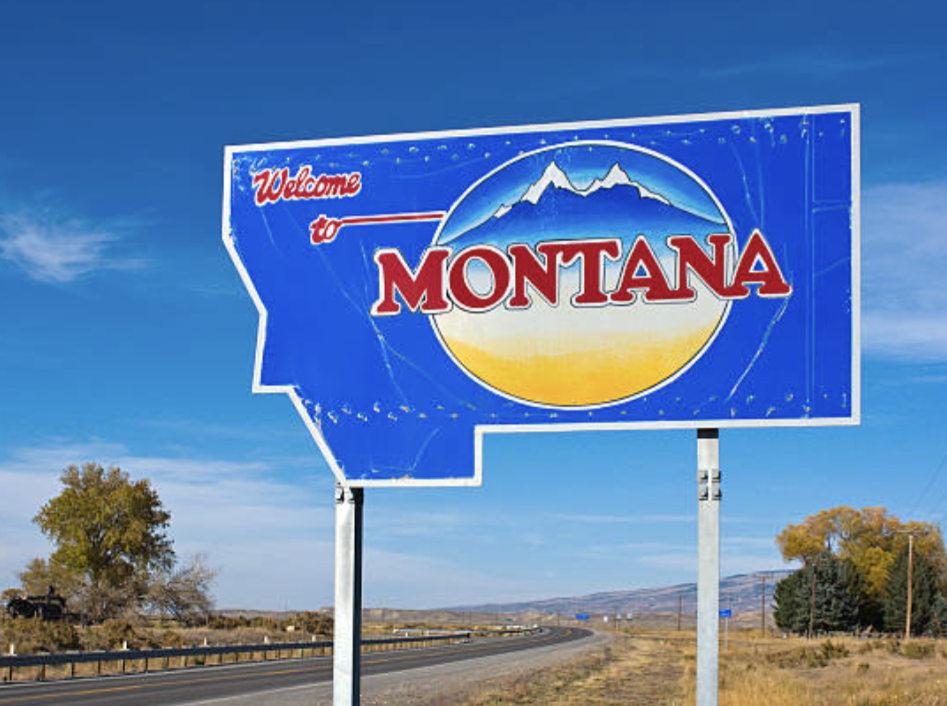
Montana…Big Sky Country

Montana is known for its picturesque scenery, friendly locals, and relaxed way of life. Three places you might consider living in Montana that offer unique and enjoyable experiences:

  1. Livingston: Located along the Yellowstone River, Livingston is a charming and historic town that serves as a gateway to Yellowstone National Park. The town is surrounded by mountains, forests, and rivers, making it an ideal location for outdoor enthusiasts. Livingston is home to a thriving arts community, with many galleries, theaters, and music venues. It also has a low cost of living compared to other areas in Montana.
  2. Red Lodge: Nestled in the Beartooth Mountains, Red Lodge is a small town with a big personality. The town is known for its ski resort, but it also offers many other outdoor activities such as hiking, fishing, and hunting. Red Lodge has a vibrant downtown area with shops, restaurants, and art galleries. The town hosts many festivals and events throughout the year, including the Red Lodge Music Festival and the Beartooth Rally.
  3. Ennis: Located in southwestern Montana, Ennis is a small town surrounded by mountains, rivers, and forests. The town is known for its excellent fly fishing opportunities, as it sits on the banks of the Madison River. Ennis also has a rich history, with many historic buildings and landmarks. The town has a strong sense of community and hosts many events and festivals throughout the year, including the Ennis Trout Festival and the Madison County Fair.

Montana is the fourth largest state in terms of area, but it is one of the least populous, with a population of just over 1 million people.

Montana is known for its diverse geography, which includes the Rocky Mountains, the Great Plains, and a number of large rivers, including the Missouri and Yellowstone Rivers. The state is also home to several national parks, including Glacier National Park and Yellowstone National Park, as well as a number of smaller state parks and wilderness areas.

Montana’s economy is based on a variety of industries, including agriculture, mining, tourism, and manufacturing. The state is a major producer of wheat, barley, and other grains, as well as beef and other livestock. The mining industry is also important, with significant deposits of coal, oil, and natural gas found in the state. Tourism is also a major industry, with millions of visitors drawn to Montana’s natural beauty and outdoor recreational opportunities each year.

Need a Real Estate Broker, we can help connect you: mail us at TEAM@McDanielCallahan.com or call 925-838-4300 or you can fill out the box below. Terry McDaniel DRE license #00941526

← Back

Thank you for your response. ✨

4 ways to adjust after you move

Photo by cottonbro studio on Pexels.com

Don’t waste time going online to hunt for a broker.  Have someone in the real estate industry refer you to the right agent for you.

Moving to a new city can be exciting, but it can also be intimidating. Adjusting to a new environment and making new friends can be challenging, but there are steps you can take to make the transition smoother. Some ideas on how to adjust to a new city, including how to make new friends, find local activities, and explore your new surroundings.

  1. Join local groups or clubs: One of the best ways to make new friends in a new city is to join local groups or clubs. This could be anything from a running club to a book club or a recreational sports league. By joining a group or club that aligns with your interests, you’ll have an opportunity to meet new people who share your hobbies and passions.
  2. Volunteer: Volunteering is another great way to meet new people and give back to your new community. Look for local organizations that align with causes you care about and sign up to volunteer. You’ll have the opportunity to meet like-minded people and make a positive impact in your new community.
  3. Attend local events: Many cities have a variety of local events throughout the year, from music festivals to food fairs. Attending these events can be a great way to explore your new city and meet new people. Check local event listings and make a plan to attend events that interest you.
  4. Explore your neighborhood: Exploring your new neighborhood is a great way to get familiar with your surroundings and find local businesses and services. Take a walk around your neighborhood, visit local shops and restaurants, and introduce yourself to your neighbors.

Adjusting to a new city takes time, but by following these tips, you’ll be able to make new friends, find local activities, and explore your new surroundings. Remember to be patient, open-minded, and willing to try new things. Before you know it, your new city will feel like home.

Need a Real Estate Broker, we can help connect you: email us at TEAM@McDanielCallahan.com or call 925-838-4300 or fill in the box below. Terry McDaniel DRE license #00941526

← Back

Thank you for your response. ✨

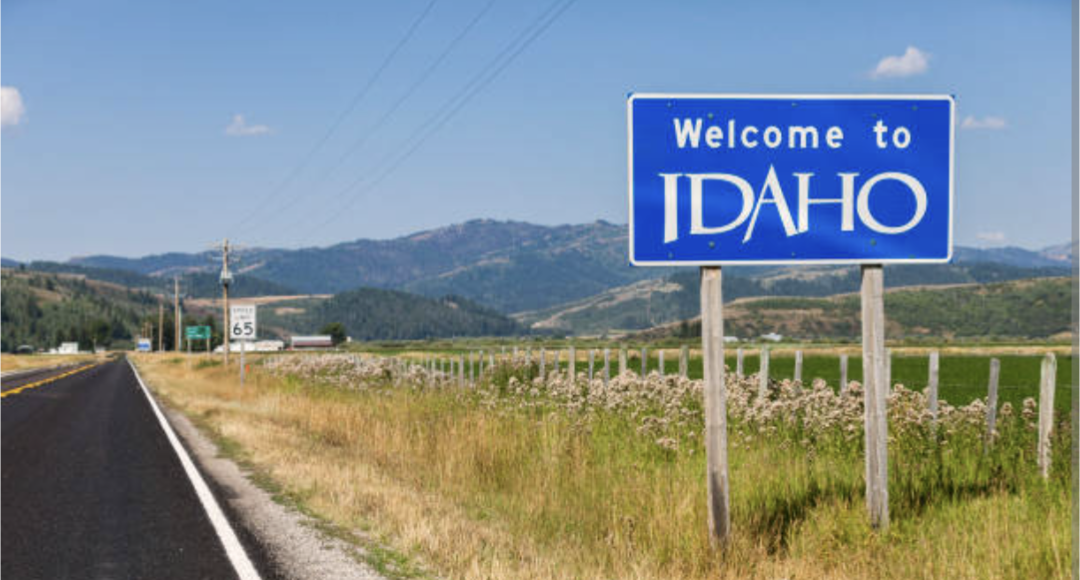
Discovering the Gem State…Idaho

Need a Real Estate Broker in Idaho, we can connect you: mail us at TEAM@McDanielCallahan.com or call 925-838-4300. Terry McDaniel DRE license #00941526

Are you tired of the hustle and bustle of city life? Do you crave wide open spaces, friendly people, and affordable living? Idaho is quickly becoming a popular destination for those seeking a high quality of life and a slower pace of living. In this blog post, we’ll explore some of the benefits of moving to Idaho, as well as two neighborhoods you might not know about.

Benefits of Moving to Idaho

  1. Natural Beauty: Idaho is home to stunning natural landscapes, including mountains, forests, lakes, and rivers. From the Sawtooth Mountains to the Snake River, there’s no shortage of outdoor adventures to be had in Idaho.
  2. Affordable Living: Idaho’s cost of living is significantly lower than many other states. Housing, healthcare, and groceries are all more affordable in Idaho than in many other parts of the country.
  3. Strong Economy: Idaho’s economy is growing rapidly, with job opportunities in a variety of fields, including tech, agriculture, and tourism.
  4. Friendly People: Idahoans are known for being friendly and welcoming to newcomers. Whether you’re in a small town or a larger city, you’ll find that people are eager to help and get to know you.

Neighborhoods You Might Might to Consider:

  1. West Boise: West Boise is a quiet, suburban neighborhood that offers easy access to both downtown Boise and the Boise National Forest. Homes in West Boise are affordable and spacious, with plenty of outdoor space for families and pets.
  2. North End: The North End is a historic neighborhood located in downtown Boise. It’s known for its tree-lined streets, charming homes, and vibrant community. The North End is also home to some of the best schools in Boise.

Idaho, known as the “Gem State” for its abundance of natural resources, is home to several popular landmarks that attract tourists from all over the world. Here are some of the top landmarks in Idaho:

  1. Yellowstone National Park: Although Yellowstone National Park is primarily located in Wyoming, it also extends into Montana and Idaho. The Idaho section of the park is known for its geothermal features, including geysers, hot springs, and mud pots.
  2. Craters of the Moon National Monument and Preserve: Located in central Idaho, Craters of the Moon National Monument and Preserve is a unique landscape of volcanic rock formations, caves, and lava fields. It’s a popular destination for hiking, camping, and stargazing.
  3. Shoshone Falls: Known as the “Niagara of the West,” Shoshone Falls is a stunning waterfall located on the Snake River in southern Idaho. It’s over 200 feet tall and is best viewed during the spring and early summer months when the snowmelt causes the waterfall to be at its strongest.
  4. Hells Canyon: Located on the border of Idaho and Oregon, Hells Canyon is the deepest river gorge in North America. It’s a popular destination for whitewater rafting, hiking, and camping.
  5. Boise State Capitol Building: The Boise State Capitol Building is located in the heart of downtown Boise and is a beautiful example of neoclassical architecture. It’s open to the public for tours and is surrounded by beautiful gardens and outdoor sculptures.
  6. Old Idaho State Penitentiary: The Old Idaho State Penitentiary is a former prison located in Boise that operated from 1870 until 1973. It’s now a museum that offers tours and educational programs about the history of the prison and the criminal justice system in Idaho.

These are just a few of the many popular landmarks in Idaho. With its natural beauty, rich history, and diverse landscapes, Idaho has something to offer everyone.

Moving to Idaho can be a great choice for those seeking a high quality of life, affordable living, and outdoor adventures. Consider exploring neighborhoods like West Boise and the North End to find the perfect community for you and your family. With its natural beauty, strong economy, and friendly people, Idaho just might be your next home sweet home.

Need a Real Estate Broker in Idaho, we can connect you: mail us at TEAM@McDanielCallahan.com or call 925-838-4300. Terry McDaniel DRE license #00941526

Washington

Need a Real Estate Broker in Washington, we can help connect you: email us at TEAM@McDanielCallahan.com or call 925-838-4300. Terry McDaniel DRE license #00941526

Washington is a diverse state with a range of communities, from bustling cities to small towns. Here are three of the best places to live in Washington:

  1. Seattle – Known for its stunning natural surroundings, thriving arts and culture scene, and world-renowned coffee shops, Seattle is a popular destination for those who love city living. The city is also home to many tech companies, making it a great place for young professionals.
  2. Spokane – Located in eastern Washington, Spokane is a charming city that is surrounded by natural beauty. The city has a low cost of living and a growing economy, with a variety of job opportunities in healthcare, education, and manufacturing.
  3. Bainbridge Island – Located just a short ferry ride from Seattle, Bainbridge Island is a picturesque island community that offers a slower pace of life. The island has a strong sense of community, with many local events and festivals throughout the year. It’s also known for its beautiful parks and beaches, making it a great place for outdoor enthusiasts.
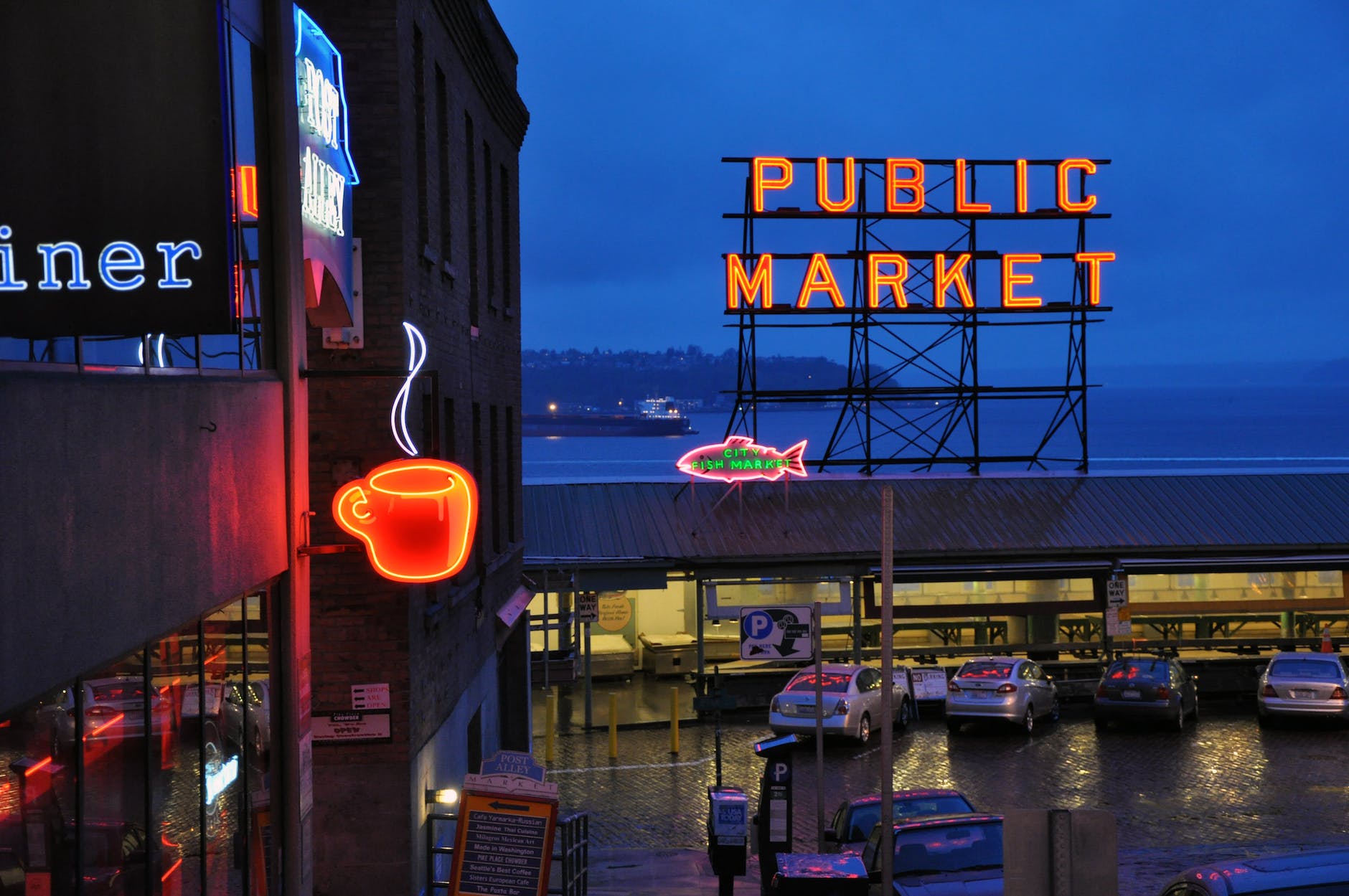
Photo by Amanda Grove on Pexels.com

The Pike Place Market is a public market in Seattle that was established in 1907. It is one of the oldest continuously operating farmers’ markets in the United States and is a popular tourist destination.

The market features a variety of vendors selling fresh produce, seafood, meats, and dairy products, as well as flowers, crafts, and other artisanal goods. Visitors can also find a wide variety of prepared foods, including baked goods, soups, sandwiches, and ethnic cuisine.

One of the most popular attractions at Pike Place Market is the fish throwing tradition, where fishmongers toss large fish through the air to each other as they fill customers’ orders.

The market is also home to the original Starbucks store, which opened in 1971, and is a popular spot for coffee lovers. In addition, there are several independent bookstores, antique shops, and other specialty stores in the market.

Overall, Pike Place Market is a lively and vibrant place to visit, full of history, character, and delicious food.

Need a Real Estate Broker in Washington, we can help connect you: email us at TEAM@McDanielCallahan.com or call 925-838-4300. Terry McDaniel DRE license #00941526