
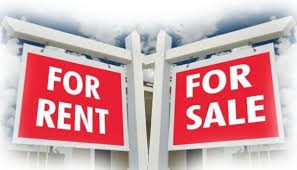
3 Things to Consider When Deciding to Sell or Rent Your Home

Deciding whether to sell or rent your home is a significant decision that can impact your financial future and lifestyle. Each option has its advantages and drawbacks, and the right choice depends on various factors. Here are three key considerations to help you make an informed decision.

1. Current Market Conditions

Selling: If the real estate market is strong and home values are high, selling your home might be a lucrative option. A seller’s market, characterized by high demand and low inventory, can result in a quick sale at a favorable price. Evaluate recent sales in your area, consult with real estate agents, and consider market trends to determine if it’s a good time to sell.

Renting: In a buyer’s market, where home prices are lower or there are more homes available than buyers, renting out your property might be a better option. Renting allows you to hold onto your property until market conditions improve. It also provides an opportunity to earn rental income, which can offset your mortgage payments and other expenses.

2. Financial Goals and Stability

Selling: Selling your home can provide a lump sum of cash, which can be used for various purposes, such as buying a new property, investing, or paying off debts. Consider your financial goals and whether the proceeds from the sale align with your plans. Additionally, selling may be advantageous if you need to downsize, relocate, or adjust your financial situation.

Renting: If you’re not in immediate need of cash and prefer to maintain ownership of your property, renting can offer a steady income stream. This can be especially beneficial if you have a mortgage to pay, want to preserve your long-term investment, or plan to return to the property in the future. Assess your financial stability and whether you can manage the responsibilities of being a landlord.

3. Personal and Lifestyle Factors

Selling: Selling your home might be the right choice if you’re looking for a fresh start, downsizing, or relocating to a different area. Consider how selling aligns with your lifestyle changes, career moves, or personal goals. It can also be a solution if the property requires extensive maintenance or updates that you’re not prepared to handle.

Renting: Renting is a viable option if you’re not ready to part with your property, if it has sentimental value, or if you’re uncertain about your long-term plans. It allows you to keep the property for potential future use or sale, and you can benefit from the rental income while still owning the asset. Evaluate your long-term goals and whether renting supports your lifestyle and future plans.

Choosing to sell or rent your home requires careful consideration of market conditions, financial goals, and personal circumstances. Assess your current situation, consult with real estate professionals, and weigh the pros and cons of each option. By making an informed decision, you can align your choice with your financial objectives and lifestyle preferences, ensuring a successful outcome for your property.

If you’re considering a move or investment and require a trusted Real Estate Broker, we’re here to assist you. Contact us via email at TEAM@McDanielCallahan.com, complete the form below, or give us a call at 925-838-4300. We are ready to provide expert guidance and support for all your real estate needs. Terry McDaniel DRE License #00941526

← Back

Thank you for your response. ✨

How to Spot Red Flags During a Home Tour

Buying a home is one of the most significant investments you’ll make in your lifetime. As exciting as it is to imagine your future in a new space, it’s crucial to approach home tours with a critical eye. Hidden issues can lead to costly repairs and headaches down the road. Here are some red flags to watch for during a home tour.

1. Structural Issues

One of the first things to check is the foundation and overall structural integrity of the home. Look for:

  • Cracks in Walls and Ceilings: Small hairline cracks can be normal, but large cracks, especially those that zigzag, could indicate serious structural problems.
  • Uneven Floors: Walk through the house to see if the floors feel uneven or slope. This could signify foundation issues.
  • Sticking Doors and Windows: If doors and windows are difficult to open or close, it might be due to the house settling or foundation problems.

2. Water Damage and Mold

Water damage can be a precursor to mold, which poses health risks and can be expensive to remediate.

  • Stains and Discoloration: Check ceilings, walls, and floors for any signs of water stains or discoloration.
  • Musty Odors: A musty smell is a strong indicator of mold, even if you can’t see it.
  • Visible Mold: Look in damp areas such as bathrooms, basements, and under sinks for visible mold growth.

3. Electrical Issues

Faulty electrical systems can be dangerous and expensive to fix.

  • Old or Outdated Wiring: If the home has old knob-and-tube wiring or an outdated electrical panel, it might not be up to current safety standards.
  • Flickering Lights: Lights that flicker or dim when appliances are turned on could indicate wiring issues.
  • Inadequate Outlets: Modern homes require plenty of electrical outlets. If the home lacks sufficient outlets, it might need an electrical upgrade.

4. Plumbing Problems

Plumbing issues can lead to water damage and other complications.

  • Low Water Pressure: Turn on faucets and showers to check for water pressure. Low pressure could indicate plumbing issues.
  • Slow Drains: Slow drainage in sinks, tubs, and showers can be a sign of clogged pipes or more severe plumbing problems.
  • Leaking Pipes: Look under sinks and around the base of toilets for any signs of leaks.

5. Roof Condition

The roof is a critical component of the home’s structure, and roof repairs can be costly.

  • Missing or Damaged Shingles: Look for any missing, cracked, or curling shingles that might indicate the roof needs repair or replacement.
  • Sagging Roofline: A sagging roofline can signal significant structural issues with the roof.

6. HVAC System

Heating, ventilation, and air conditioning (HVAC) systems are essential for comfort and can be expensive to replace.

  • Age of the System: Ask about the age of the HVAC system. Systems older than 10-15 years might need replacement soon.
  • Maintenance Records: Check if the system has been regularly maintained and serviced.
  • Strange Noises: Listen for any unusual noises when the system is running, as these can indicate problems.

7. Pest Infestations

Pests can cause significant damage to a home.

  • Droppings and Nesting: Look for signs of pest droppings or nesting materials, particularly in basements, attics, and crawl spaces.
  • Chewed Wires and Wood: Check for chewed wires or wood, which can indicate rodent or termite infestations.
  • Pest Control Treatments: Ask about any past pest control treatments and if there are any ongoing issues.

8. Neighborhood and Location

The location of the home can significantly impact your quality of life and property value.

  • Noise Levels: Visit the property at different times of the day to assess noise levels from traffic, neighbors, or nearby businesses.
  • Flood Zones and Natural Disasters: Determine if the home is in a flood zone or an area prone to natural disasters, as this can affect insurance rates and safety.
  • Local Amenities: Consider the proximity to schools, shopping centers, public transportation, and other amenities.

Taking the time to thoroughly inspect a home during a tour can save you from unexpected surprises and costly repairs. Always consider hiring a professional home inspector to provide a detailed assessment before making a final decision.

If you’re considering a move or investment and require a trusted Real Estate Broker, we’re here to assist you. Contact us via email at TEAM@McDanielCallahan.com, complete the form below, or give us a call at 925-838-4300. We are ready to provide expert guidance and support for all your real estate needs. Terry McDaniel DRE License #00941526

← Back

Thank you for your response. ✨

How to Prepare Your Home for Sale with Your Broker’s Help

Selling a home can be a complex and stressful process, but with the right guidance, you can make it a smooth and successful experience. One of the most effective ways to prepare your home for sale is by leveraging the expertise of a real estate broker. A skilled broker not only understands the market but also offers valuable insights on how to make your property appealing to potential buyers. Here’s how to prepare your home for sale with your broker’s help, including staging tips and advice on minor repairs.

1. Partner with a Knowledgeable Broker

The first step in preparing your home for sale is to find a knowledgeable real estate broker. An experienced broker will provide a comprehensive market analysis, helping you understand your home’s value and how it compares to similar properties in your area. They will also guide you on the best strategies to enhance your home’s appeal and achieve a successful sale.

  • Actionable Tip: Schedule a consultation with potential brokers to discuss their approach to preparing homes for sale. Look for a broker with a track record of successfully selling properties in your neighborhood.

2. Conduct a Home Inspection

Before listing your home, consider having a pre-sale home inspection. This will help identify any issues that need addressing and prevent surprises during the buyer’s inspection. Your broker can recommend reliable home inspectors and help you prioritize necessary repairs.

  • Actionable Tip: Address any major issues identified in the inspection report, such as electrical or plumbing problems, to avoid potential complications during the sale.

3. Declutter and Depersonalize

One of the most effective ways to make your home more marketable is to declutter and depersonalize the space. This allows potential buyers to envision themselves in the home and highlights the property’s best features.

  • Actionable Tip: Work with your broker to identify key areas where decluttering will have the most impact. Consider renting a storage unit for items you don’t need during the selling process.

4. Stage Your Home

Staging is a crucial part of preparing your home for sale. A well-staged home can make a strong first impression and help buyers imagine how they would use the space. Your broker can offer valuable advice on staging or connect you with a professional stager.

  • Actionable Tip: Focus on key areas such as the living room, kitchen, and master bedroom. Use neutral colors, arrange furniture to maximize space, and add tasteful accessories to create an inviting atmosphere.

5. Perform Minor Repairs

Minor repairs and touch-ups can significantly improve your home’s appearance and value. Simple updates such as fresh paint, fixing leaky faucets, and replacing worn-out fixtures can make a big difference.

  • Actionable Tip: Ask your broker for a list of common repairs that can boost your home’s appeal. Prioritize tasks that offer the best return on investment, such as updating cabinetry or improving landscaping.

6. Enhance Curb Appeal

First impressions matter, and curb appeal plays a significant role in attracting potential buyers. Your broker can offer suggestions on how to enhance your home’s exterior and make it more inviting.

  • Actionable Tip: Invest in landscaping improvements, such as trimming shrubs, planting flowers, and cleaning walkways. Ensure that the exterior of your home is well-maintained and inviting.

7. Set the Right Price

Pricing your home correctly is crucial to attracting buyers and achieving a successful sale. Your broker will use their market expertise to help you set a competitive price based on recent sales and current market conditions.

  • Actionable Tip: Review the Comparative Market Analysis (CMA) provided by your broker. This report will help you understand the pricing trends in your area and determine a realistic price for your home.

8. Market Your Home Effectively

A skilled broker will create a comprehensive marketing plan to showcase your home to potential buyers. This includes professional photography, online listings, and promotional materials.

  • Actionable Tip: Collaborate with your broker to ensure your home is presented in the best light. High-quality photos and a compelling listing description can attract more interest and lead to quicker offers.

9. Prepare for Showings

Once your home is listed, be prepared for showings and open houses. Your broker will coordinate these events and provide feedback from potential buyers.

  • Actionable Tip: Keep your home clean and clutter-free during the selling process. Be flexible with showing times to accommodate potential buyers’ schedules.

10. Review and Negotiate Offers

When you receive offers on your home, your broker will help you review and negotiate the terms. They will provide guidance on evaluating offers and making counteroffers to achieve the best outcome.

  • Actionable Tip: Work closely with your broker to understand the terms of each offer and make informed decisions. Consider factors such as the buyer’s financial qualifications and contingencies.

Preparing your home for sale with the help of a knowledgeable broker can make the process smoother and more successful. From conducting a pre-sale inspection to staging your home and setting the right price, your broker’s expertise is invaluable in maximizing your home’s appeal and achieving a successful sale.

If you’re considering a move or investment and require a trusted Real Estate Broker, we’re here to assist you. Contact us via email at TEAM@McDanielCallahan.com, complete the form below, or give us a call at 925-838-4300. We are ready to provide expert guidance and support for all your real estate needs. Terry McDaniel DRE License #00941526
← Back

Thank you for your response. ✨

The Importance of Building a Strong Relationship with Your Real Estate Broker

When it comes to buying or selling a property, the relationship you build with your real estate broker can make all the difference. A solid broker-client relationship not only leads to better outcomes but also ensures a smoother, more enjoyable transaction process. Here’s why cultivating a strong connection with your real estate broker is essential and how it can benefit you in your real estate endeavors.

Why a Strong Broker-Client Relationship Matters

  1. Enhanced Communication: Clear, open communication is the cornerstone of any successful real estate transaction. A strong relationship with your broker fosters an environment where you feel comfortable expressing your needs, concerns, and preferences. This mutual understanding ensures that your broker can effectively advocate for you and provide the most relevant advice and options.
  2. Trust and Confidence: Trust is crucial in real estate transactions, which often involve significant financial commitments and emotional decisions. Building a strong relationship with your broker establishes trust, allowing you to have confidence in their expertise and judgment. This trust enables you to make informed decisions with peace of mind.
  3. Personalized Service: A broker who knows you well can tailor their services to meet your specific needs. Whether you’re looking for a family home in a good school district or a commercial property with high foot traffic, a broker who understands your goals can provide personalized recommendations that align with your criteria.
  4. Better Negotiation Outcomes: A broker who understands your priorities can negotiate more effectively on your behalf. Knowing what’s most important to you—whether it’s price, closing timeline, or specific contract terms—allows your broker to advocate for your best interests and achieve favorable outcomes.
  5. Efficient Problem-Solving: Real estate transactions can be complex and sometimes unpredictable. A strong relationship with your broker means they are more attuned to your situation and can proactively address issues as they arise. This efficiency minimizes delays and helps ensure a smooth process from start to finish.

How to Build a Strong Relationship with Your Real Estate Broker

  1. Choose the Right Broker: Start by selecting a broker who aligns with your needs and values. Look for someone with experience in your desired market, excellent communication skills, and a track record of successful transactions. Personal referrals and online reviews can be helpful in making your choice.
  2. Be Transparent and Honest: From the outset, be open about your goals, budget, timeline, and any concerns you may have. Honesty helps your broker understand your situation and provide the best possible guidance.
  3. Communicate Regularly: Maintain regular communication with your broker throughout the process. Provide feedback on property listings, promptly respond to messages, and keep them informed of any changes in your circumstances.
  4. Respect Their Expertise: Trust in your broker’s knowledge and experience. While it’s important to voice your opinions and preferences, also be open to their advice and insights, which can be invaluable in making the right decisions.

Benefits of a Strong Broker-Client Relationship

  1. Smooth Transaction Process: With a strong relationship, the entire buying or selling process tends to be more seamless. Your broker can anticipate potential issues, coordinate effectively with other parties, and keep everything on track.
  2. Better Property Matches: A broker who knows you well can identify properties that are a better fit for your needs, saving you time and effort in your search.
  3. Increased Satisfaction: A positive working relationship enhances your overall experience, making the real estate process more enjoyable and less stressful.
  4. Long-Term Partnership: Building a strong relationship with your broker can lead to a long-term partnership. Whether you’re considering future real estate transactions or seeking market advice, having a trusted broker you can rely on is invaluable.

Building a strong relationship with your real estate broker is not just a nice-to-have; it’s a crucial element of successful real estate transactions. By fostering trust, communication, and mutual understanding, you set the stage for better outcomes and a smoother, more satisfying process.

If you’re considering a move or investment and require a trusted Real Estate Broker, we’re here to assist you. Contact us via email at TEAM@McDanielCallahan.com, complete the form below, or give us a call at 925-838-4300. We are ready to provide expert guidance and support for all your real estate needs. Terry McDaniel DRE License #00941526

← Back

Thank you for your response. ✨

Why You Should Check Multiple Real Estate Sites When Buying a Home

The process of buying a home has become more accessible thanks to online real estate platforms like Zillow, Redfin, and Trulia. However, relying on a single site might not provide the comprehensive information you need to make an informed decision. Each platform offers unique features and insights, making it beneficial to explore multiple sources. Here are several key features offered by different real estate listing sites and why you should utilize them to ensure you make the best possible decision when buying a home.

1. Calculate the Monthly Cost

According to Zillow’s Consumer Housing Trends Report, 84% of buyers prioritize affordability. Zillow’s BuyAbility app offers personalized estimates for home prices and monthly payments, taking into account factors like credit score, making it more accurate than generic mortgage calculators.

2. Understand Climate Conditions

Redfin and Realtor.com provide valuable insights into climate risks such as fire, flood, or extreme heat in the area. This information, drawn from Risk Factor, helps you understand potential natural disaster risks and their impact on home insurance costs.

3. Review Local Legal Protections

Zillow provides an overview of state-specific legal protections related to housing, employment, and public accommodations. This can inform potential buyers of any laws they might be unaware of and empower them to protect their rights during the home-buying process.

4. See Market Trends

Redfin’s market competition calculator gives a score indicating how competitive a home’s market is. It provides data on typical home prices, how quickly homes sell, and more, helping buyers set realistic expectations and formulate compelling offers.

5. Explore Street View

Street view features on Redfin, Zillow, and Homes.com use Google Maps to let you virtually explore the neighborhood. This is particularly useful if you can’t visit the home in person.

6. Check Your Commute Travel Time

Zillow and Realtor.com offer commute time features that provide accurate travel estimates based on distance and traffic patterns. This helps you assess whether a home’s location is practical for your daily commute.

7. See a Rental Income Estimate

For buyers interested in rental properties, Redfin’s “Rental Earnings” widget offers estimates of potential rental income based on similar local listings. This can help investors gauge a property’s rental potential and necessary updates.

8. Read What Locals Say

Trulia’s “What Locals Say” feature collects feedback from residents about neighborhood qualities like safety and dog-friendliness, providing valuable insights into what it’s like to live there.

9. Check the Noise Levels

Homes.com and Realtor.com feature sound scores indicating the level and type of noise near a home. This is crucial for understanding potential disturbances that might not be evident during a tour.

10. Find Walkable Spots

Realtor.com’s location scores highlight the walking distances to amenities like grocery stores and restaurants. They also provide cycling access details, offering a comprehensive view of the area’s transportation options.

11. View the Home in 3D

Many platforms, including Zillow, Realtor.com, Trulia, Homes.com, and Redfin, offer 3D home tours and interactive floor plans. These virtual tours provide a detailed understanding of a home’s layout and features, which is critical for making an informed decision.

12. Get a Popularity Estimate

Trulia’s feature estimates how quickly a home will sell based on data from nearby property sales and listing engagement. This can help you act quickly to secure your dream home in a competitive market.

Exploring multiple real estate listing sites provides a more comprehensive understanding of a property and its surrounding area. From calculating costs and understanding climate risks to reviewing legal protections and exploring market trends, each platform offers unique insights that contribute to making the best-informed decision.

https://www.bobvila.com/articles/different-info-on-real-estate-listing-sites/

If you’re considering a move or investment and require a trusted Real Estate Broker, we’re here to assist you. Contact us via email at TEAM@McDanielCallahan.com, complete the form below, or give us a call at 925-838-4300. We are ready to provide expert guidance and support for all your real estate needs. Terry McDaniel DRE License #00941526

← Back

Thank you for your response. ✨

Navigating the Ever-Changing Real Estate Market

If I had a dollar for every time I heard “this market is tough” over the last decade, I’d have more investments. But really, every single market I have worked in has its challenges and its benefits.

As I’ve helped clients buy and sell this year, I’ve encountered different versions of “the market” each time. Some homes sell fast with multiple offers, some take weeks, some don’t sell at all, and others have been listed for a year before selling. Some properties sell with one offer in a day, while others require price reductions. Yet, all these properties are participating in the same real estate market.

The Reality of Real Estate

The reality is that every time I work for a client, I show up and pull out all the stops to make it the smoothest and fastest experience imaginable. However, the fate of the sale is ultimately in the hands of the market. Each unique property is participating in its own micro-market, influenced by factors such as location, condition, and buyer demand.

The Importance of an Experienced Agent

The key to navigating this ever-changing landscape is to hire someone who goes all out upfront and has the experience to read the market and pivot as needed. The fun part about real estate is it’s always different. The hard part about real estate is it’s always different.

An experienced agent understands these nuances and can adapt strategies to fit the specific needs of each property. They know how to market a home effectively, negotiate the best deals, and make adjustments as market conditions change.

Making the Right Choice

If you need an agent with the experience and skills you deserve, ask me for a referral no matter where you’re located. Unqualified agents are too common, and the best agents are underrated. Let’s make sure you’re with the right one.

Navigating the real estate market requires adaptability and expertise. With the right agent by your side, you can confidently face any market condition and achieve the best outcome for your property.

If you’re considering a move or investment and require a trusted Real Estate Broker, we’re here to assist you. Contact us via email at TEAM@McDanielCallahan.com, complete the form below, or give us a call at 925-838-4300. We are ready to provide expert guidance and support for all your real estate needs. Terry McDaniel DRE License #00941526

← Back

Thank you for your response. ✨

Checklist for First-Time Home Buyers: Know What You’re Looking For

Embarking on the journey to buy your first home is an exciting milestone. However, without proper preparation, it can also be overwhelming. Before you start looking at homes with your agent, it’s crucial to know what you’re actually looking for. This comprehensive checklist for first-time home buyers will guide you through the initial steps, ensuring a smoother and more focused home-buying experience.

1. Define Your Budget

Assess Your Finances:

  • Review your savings, income, and current expenses to determine how much you can afford for a down payment and monthly mortgage payments.

Get Pre-Approved for a Mortgage:

  • Contact lenders to get pre-approved for a mortgage. This not only gives you a clear picture of your budget but also shows sellers that you’re a serious buyer.

Factor in Additional Costs:

  • Remember to include other expenses such as property taxes, insurance, maintenance, and potential homeowners association (HOA) fees.

2. Identify Your Must-Haves

Location Preferences:

  • Consider proximity to work, schools, public transportation, and amenities like parks, shopping centers, and hospitals.

Home Type:

  • Decide whether you prefer a single-family home, townhouse, condo, or multi-family home based on your lifestyle and needs.

Size and Layout:

  • Determine the number of bedrooms and bathrooms you need. Think about the layout and features that are important to you, such as a large kitchen, open floor plan, or backyard.

3. Research Neighborhoods

Safety and Community:

  • Research crime rates and neighborhood safety. Look for community features that are important to you, such as parks, recreational facilities, and community events.

School Districts:

  • If you have children or plan to in the future, investigate the quality of the local school districts.

Future Development:

  • Check for any planned developments in the area that might affect property values or your quality of life.

4. Make a Wish List

Prioritize Features:

  • Create a wish list of features you’d love in your new home, such as a garage, fireplace, pool, or energy-efficient appliances.

Rank Your Preferences:

  • Rank these features by importance. Understand that while it’s great to have everything on your list, being flexible can help you find a home that meets your most critical needs within your budget.

5. Understand the Market

Current Market Conditions:

  • Research the current real estate market in your desired area. Are homes selling quickly? Are prices rising or stable?

Work with Your Agent:

  • Discuss market trends with your real estate agent. Their expertise can provide insights and help you set realistic expectations.

6. Prepare for House Hunting

Schedule Viewings:

  • Once you have a clear idea of what you’re looking for, start scheduling viewings with your agent. Be prepared to move quickly if you find a home that meets your criteria.

Take Notes:

  • During viewings, take detailed notes and photos. This will help you remember the details of each property and compare them later.

Ask Questions:

  • Don’t hesitate to ask your agent or the seller any questions you have about the property, neighborhood, or the home-buying process.

7. Evaluate and Make Decisions

Review Your Options:

  • After viewing several homes, review your notes and compare the properties based on your must-haves, budget, and overall impression.

Be Ready to Negotiate:

  • When you find the right home, be prepared to make an offer. Your agent will help you negotiate terms and navigate the offer process.

Think Long-Term:

  • Consider your long-term plans and how the home fits into them. Is it a place you can see yourself living in for the next 5-10 years?

Buying your first home is a significant life event that requires careful planning and preparation. By following this checklist, you can clarify your priorities, streamline your search, and ultimately find a home that meets your needs and budget. With the right approach and a clear understanding of what you’re looking for, your home-buying journey can be both enjoyable and successful.

If you’re considering a move or investment and require a trusted Real Estate Broker, we’re here to assist you. Contact us via email at TEAM@McDanielCallahan.com, complete the form below, or give us a call at 925-838-4300. We are ready to provide expert guidance and support for all your real estate needs. Terry McDaniel DRE License #00941526

← Back

Thank you for your response. ✨

Understanding Energy Costs Across the United States

Energy costs can vary drastically depending on where you live in the United States. Factors such as climate, energy sources, and regulatory frameworks all play significant roles in determining how much households spend on electricity, heating, and transportation fuels. A recent survey by WalletHub sheds light on these disparities, highlighting which states pay the most and least for their energy needs.

High Energy Cost States

Wyoming leads the nation with the highest average monthly energy expenses at $1,591. This is largely attributed to its long, harsh winters and reliance on heating oil and gas, which are costly to procure and use in remote areas. North Dakota follows closely with $840 per month, influenced similarly by severe winters and heating demands. Iowa, Montana, and Minnesota round out the top five states with high energy costs, all facing significant heating and electricity consumption challenges due to their climates.

Low Energy Cost States

Conversely, states like New Mexico enjoy remarkably low energy expenditures, averaging just $376 annually. Factors contributing to these lower costs include milder winters and strategic investments in energy efficiency and renewable energy sources like wind and solar power. Arizona, Kansas, Texas, and Nebraska also feature prominently on the list of states with the lowest energy bills, leveraging favorable conditions and proactive energy policies to keep costs down.

Factors Influencing Energy Costs

Several factors contribute to the disparities in energy costs across states:

  1. Climate: States with colder winters or hotter summers tend to have higher energy bills due to increased heating or cooling needs.
  2. Energy Sources: The availability and cost of energy sources such as electricity, natural gas, and heating oil directly impact household expenses.
  3. Regulatory Environment: States with deregulated energy markets often see lower costs due to increased competition among providers, whereas regulated markets may have set prices by state authorities.
  4. Energy Efficiency: Investments in energy-efficient technologies, appliances, and renewable energy sources can significantly reduce household energy expenditures over time.

Tips for Managing Energy Costs

To mitigate high energy expenses, consider the following tips:

  • Energy-efficient upgrades: Invest in appliances, light bulbs, and insulation that reduce energy consumption.
  • Behavioral adjustments: Practice energy-saving habits like turning off lights and adjusting thermostats when not at home.
  • Explore incentives: Take advantage of rebates and incentives for energy-efficient home improvements offered by utility companies or government programs.
  • Compare providers: In deregulated markets, research different energy providers to find the best rates and service options for your needs.

Understanding your state’s energy landscape and implementing smart energy practices can help you manage household expenses effectively. Whether you live in a high-cost or low-cost energy state, making informed decisions about energy use and efficiency can lead to significant savings and environmental benefits over time. By staying informed and proactive, you can navigate the complexities of energy costs and make choices that align with your budget and sustainability goals.

https://www.realtor.com/news/trends/the-states-with-the-highest-and-lowest-energy-bills-might-shock-you-into-moving/

If you’re considering a move or investment and require a trusted Real Estate Broker, we’re here to assist you. Contact us via email at TEAM@McDanielCallahan.com, complete the form below, or give us a call at 925-838-4300. We are ready to provide expert guidance and support for all your real estate needs. Terry McDaniel DRE License #00941526

← Back

Thank you for your response. ✨

Lot for Sale- Danville 94506

Long driveway leads to amazing panoramic views of Mt. Diablo and the valley with the possibility to build your dream home on 5 hilltop acres. Approximate 1 acre flat build pad already in place.

More information:

https://listings.allaccessphoto.com/sites/41-meadow-lake-dr-danville-ca-94506-us-550123

If you’re considering a move or investment and require a trusted Real Estate Broker, we’re here to assist you. Contact us via email at TEAM@McDanielCallahan.com, complete the form below, or give us a call at 925-838-4300. We are ready to provide expert guidance and support for all your real estate needs. Terry McDaniel DRE License #00941526

← Back

Thank you for your response. ✨

Thinking About Moving? Consider These Key Logistics

Deciding to move to a new city or country is an exciting adventure, but it comes with its own set of challenges. To ensure a smooth transition, it’s essential to think about the logistics involved. This includes transportation, healthcare facilities, education options, and other essential services. Additionally, language considerations and proficiency requirements are crucial, especially if you’re moving to a place where a different language is spoken. Here’s a comprehensive guide to help you navigate these logistical aspects.

1. Transportation

One of the first logistical factors to consider is transportation. How will you get around in your new location?

Public Transportation:

  • Availability and Reliability: Research the availability and reliability of public transportation options such as buses, trains, trams, and subways. Cities like New York, Tokyo, and London are known for their extensive public transport systems.
  • Cost: Look into the cost of public transportation. Consider purchasing monthly or annual passes if available, as they can be more cost-effective.
  • Accessibility: Ensure that public transportation is accessible from your potential new home and workplace. This will save you time and make daily commuting easier.

Personal Transportation:

  • Driving Conditions: If you plan to drive, research the driving conditions, traffic patterns, and parking availability. Some cities have heavy traffic and limited parking, which can be challenging for drivers.
  • Vehicle Registration and Insurance: Check the requirements for vehicle registration and insurance in your new location. Some countries or states have specific regulations that you must comply with.
  • Alternative Options: Consider other transportation options such as biking or car-sharing services, which might be more convenient or environmentally friendly.

2. Healthcare Facilities

Access to quality healthcare is a vital consideration when moving.

Hospitals and Clinics:

  • Proximity: Ensure that there are reputable hospitals and clinics nearby. In case of emergencies, quick access to healthcare facilities is crucial.
  • Specialized Care: If you require specialized medical care or ongoing treatments, check the availability of specialists and facilities that can cater to your needs.

Healthcare System:

  • Public vs. Private: Understand the healthcare system in your new location. Some countries offer comprehensive public healthcare, while others rely more on private healthcare services.
  • Health Insurance: Look into health insurance options. In many countries, health insurance is mandatory, so ensure you are adequately covered before you move.

3. Education Options

If you have children or are planning to pursue further education yourself, researching educational institutions is essential.

Schools for Children:

  • Quality and Reputation: Investigate the quality and reputation of schools in the area. Look for schools that have good reviews and meet your educational standards.
  • Curriculum: Ensure the schools offer a curriculum that aligns with your educational preferences, whether it’s local, international, or specific educational philosophies like Montessori or IB.

Higher Education:

  • Universities and Colleges: If you or a family member plan to attend university or college, research the institutions in your new location. Consider their rankings, available programs, and campus facilities.
  • Language of Instruction: Ensure that the language of instruction is suitable for you. In non-English speaking countries, many universities offer programs in English.

4. Essential Services

Beyond transportation, healthcare, and education, other essential services play a significant role in your quality of life.

Grocery Stores and Markets:

  • Accessibility: Check the proximity of grocery stores, markets, and supermarkets to your potential new home. Having easy access to fresh food and daily necessities is important.
  • Variety: Look for stores that offer a variety of products, especially if you have specific dietary needs or preferences.

Utilities and Internet:

  • Utility Services: Ensure that basic utilities such as electricity, water, gas, and waste disposal are reliable and easily accessible.
  • Internet and Communication: Research internet service providers and communication networks. Fast and reliable internet is essential, especially if you work remotely or rely heavily on digital connectivity.

Leisure and Recreation:

  • Parks and Recreational Facilities: Look for parks, gyms, sports facilities, and other recreational options nearby. These contribute to a balanced and healthy lifestyle.
  • Cultural and Social Activities: Consider the availability of cultural activities such as theaters, museums, and community events that match your interests.

5. Language Considerations

Moving to a place where a different language is spoken adds an extra layer of complexity.

Language Proficiency:

  • Requirements: Determine if there are any language proficiency requirements for residency, work, or education. Some countries require proof of language skills for visas or job applications.
  • Learning Resources: Look into language learning resources and courses. Many cities offer language schools, community classes, or online programs to help you learn the local language.

Communication:

  • Daily Interactions: Consider how comfortable you are with the local language in daily interactions such as shopping, commuting, and socializing.
  • Support Networks: Seek out expatriate communities or language exchange groups where you can practice and improve your language skills while building a social network.

When planning a move, considering the logistics is crucial for a successful and smooth transition. From transportation and healthcare facilities to education options and essential services, each aspect plays a vital role in your overall quality of life. Additionally, language considerations are important, especially if you’re moving to a place with a different language. By thoroughly researching and planning these logistical elements, you can ensure a well-prepared and enjoyable move to your new home.

If you’re considering a move or investment and require a trusted Real Estate Broker, we’re here to assist you. Contact us via email at TEAM@McDanielCallahan.com, complete the form below, or give us a call at 925-838-4300. We are ready to provide expert guidance and support for all your real estate needs. Terry McDaniel DRE License #00941526

← Back

Thank you for your response. ✨