Buying a home in the winter might not sound like the coziest activity—snowy sidewalks and chilly open houses—but it has some seriously compelling perks. Let’s talk about why winter could be your golden season for home buying, sprinkled with a few relatable moments and practical insights.
1. Less Competition Means More Opportunity
Winter is the off-season in real estate. Fewer buyers are braving the cold, meaning the playing field is less crowded. It’s like scoring the last slice of cake at a party—without everyone else elbowing in. With fewer bidding wars, you can take a breath and focus on finding your dream home without feeling the heat of rivals snapping it up.
2. Better Deals Are on the Table
Did you know that homes sold in January are often cheaper than those sold in spring or summer? According to recent data, winter buyers can save tens of thousands of dollars compared to warmer months. That’s enough to cover some nice upgrades—or to splurge on your first big housewarming party. Sellers are often motivated during the holidays or in the New Year, making negotiations a bit more in your favor.
3. Your Agent Has Time for You
With fewer clients to juggle, agents can roll out the red carpet for winter buyers. From arranging showings that fit your schedule to offering personalized advice, this is when agents shine. Bonus? Faster responses and more attention to detail—it’s like having your real estate fairy godparent on speed dial.
4. Lock in a Stable Mortgage Rate
In a world of fluctuating interest rates, locking in a good one now can feel like hitting the jackpot. Rates tend to be more stable in winter, and if they drop further, refinancing is always an option. Why wait for spring when the current rate could save you money long-term?
Is Winter Buying Right for You?
Sure, winter has its hurdles—icy driveways, holiday distractions—but the benefits can outweigh the seasonal struggles. Whether you’re looking to save money, avoid competition, or get more personalized support, buying a home in winter might be the savvy move you didn’t expect.
So, grab your favorite scarf, venture out into the crisp air, and make this season the start of something extraordinary. You just might find that winter is the perfect time to turn your dream of homeownership into reality.
If you’re considering a move or investment and require a trusted Real Estate Broker, we’re here to assist you. Contact us via email at TEAM@McDanielCallahan.com, complete the form below, or give us a call at 925-838-4300. We are ready to provide expert guidance and support for all your real estate needs. Terry McDaniel DRE License #00941526
Listing your home during the holidays may feel like an uphill battle, but it also comes with unique opportunities. December buyers tend to be serious, and festive decorations can make your house feel inviting. To help your home shine during this busy season, here are three tips:
1. Keep Decor Simple and Inviting
Holiday decorations can enhance your home’s appeal, but less is more when your house is listed for sale. Stick to a neutral and minimal approach—think twinkling lights, a simple wreath, and tasteful greenery. Avoid oversized inflatables or decorations that crowd your space, making rooms feel smaller. Let buyers imagine their holidays in your home.
2. Prioritize Curb Appeal
Winter weather can dull your exterior, so add a pop of cheer. Sweep walkways, keep driveways clear of snow or leaves, and ensure your porch is well-lit. A simple seasonal doormat or potted winter plants can create a welcoming vibe for potential buyers.
3. Be Flexible with Showings
With everyone juggling holiday events, your schedule for showings needs to be flexible. Work closely with your agent to accommodate buyers’ needs, even if it means showing your home during unconventional hours. Making your home accessible can give you an edge in a competitive market.
Selling your home in December can be an adventure, but it’s also an opportunity to stand out. With tasteful décor, a focus on curb appeal, and a flexible approach, you can attract motivated buyers who are ready to close.
If you’re considering a move or investment and require a trusted Real Estate Broker, we’re here to assist you. Contact us via email at TEAM@McDanielCallahan.com, complete the form below, or give us a call at 925-838-4300. We are ready to provide expert guidance and support for all your real estate needs. Terry McDaniel DRE License #00941526
The days after an election can be a rollercoaster of emotions. Whether you’re riding high because your candidate won or feeling a bit uneasy about potential changes, it’s natural to wonder what’s next—especially when it comes to the economy and the housing market.
Here’s a fun fact you might not have expected: history shows that home prices have typically gone up after 7 out of the last 8 presidential elections! Let’s dive into those numbers and what they might mean as we move forward.
A Look at Historical Trends
Since the early ’90s, most election cycles have been followed by a steady rise in home prices:
1992: $105,500 ➔ 1993: $109,100 🆙
1996: $122,600 ➔ 1997: $129,000 🆙
2000: $147,300 ➔ 2001: $156,600 🆙
2004: $195,200 ➔ 2005: $219,000 🆙
2008: $196,600 ➔ 2009: $172,100 ⬇️
2012: $177,200 ➔ 2013: $197,400 🆙
2016: $235,500 ➔ 2017: $248,800 🆙
2020: $296,700 ➔ 2021: $350,700 🆙
Looking at this data, the 2008 housing crisis stands out as the one exception, when the economy as a whole faced intense turbulence. Beyond that, the trend leans towards growth.
What’s Ahead for Us?
As we step into the post-election phase, the housing market may experience a few “dusty” weeks as interest rates adjust and we get a clearer picture of the economic policies that will shape the future. While we can’t predict every detail, here are three things to keep in mind:
Interest Rates Are Key: We’ll likely see some movement here. Even a small adjustment in interest rates can affect affordability, influencing buyer demand and price stability.
Economic Policy Matters: This could impact everything from new housing developments to tax credits/changes. Stay tuned as policymakers reveal their plans for housing and infrastructure.
Buyer and Seller Confidence: Elections bring some level of uncertainty, but that often shifts to renewed activity as we move into the following year. Whether you’re buying or selling, the right strategy can make all the difference.
Staying Ahead
If you’re thinking about buying or selling, now might be the perfect time to reach out and get an idea of your options. The trends may show a bump in prices, but every market has unique factors to consider.
Have questions or just want to chat about what’s next? Feel free to get in touch—I’m here to help you navigate the market with confidence!
If you’re considering a move or investment and require a trusted Real Estate Broker, we’re here to assist you. Contact us via email at TEAM@McDanielCallahan.com, complete the form below, or give us a call at 925-838-4300. We are ready to provide expert guidance and support for all your real estate needs. Terry McDaniel DRE License #00941526
So, you’re thinking about buying or selling, but uncertainty is creeping in. Believe me, I’ve been there, and I get it—it’s a big decision! The good news? Uncertainty doesn’t have to be a roadblock; in fact, it can be an advantage.
A Little Uncertainty Goes a Long Way
Think of uncertainty as a built-in check-in point. It slows us down just enough to consider all angles and options, and that’s a good thing. In real estate, there’s no “one-size-fits-all.” Whether it’s wondering if now is the right time or questioning if you’re ready to sell, uncertainty helps keep your choices clear and intentional. When I bought my first place, I spent hours weighing pros and cons, but that extra thought time led me to a property that checked off all my boxes.
Why It’s the Perfect Market for the Thoughtful Buyer or Seller
With the current market fluctuations, everyone is feeling a bit cautious. Buyers are carefully considering value, while sellers are looking for the right price, not just a quick sale. If you’re unsure, use that to your benefit—buyers, negotiate thoughtfully, and sellers, present your home’s value clearly. A balanced market favors those who don’t rush, so take a deep breath and dive into the research.
“What If” Becomes “What’s Next”
You’re bound to have “what ifs.” What if you buy, and interest rates drop? Or you sell, and prices go up? Here’s the trick: shift from “what if” to “what’s next.” Focus on what you can control. A close friend of mine was hesitant to sell his property during a shifting market. But after carefully researching, weighing options, and working with a realtor who helped him understand the local trends, he walked away feeling confident. And spoiler alert—he didn’t regret it.
Ask Yourself: Are You Ready for a Change?
Buying or selling isn’t just about market stats—it’s about personal readiness. Are you ready for a new space? Ready to downsize or expand? The funny thing about real estate is that homes are personal, and making that change is rarely a cold, calculated move. Go with your gut on whether you’re ready for a new space. And if you’re uncertain, talk it out with a professional who can help you see the broader picture.
Partner With the Right Team
If you’re feeling uncertain, you don’t have to navigate it alone. Work with a realtor who understands your goals and keeps your best interests at heart. They’ll know how to read the market, help you navigate the logistics, and give you a clear path forward. My first experience with a realtor taught me that the right partner doesn’t just want a sale; they want a solution that makes sense for you.
Embrace the Process
Buying or selling a home is a journey. It’s perfectly fine to feel a bit wobbly about it; in fact, that’s where the best decisions are made. You’ll be surprised how uncertainty can turn into clarity as you gather information, reflect on your needs, and take action. Remember, it’s your journey—embrace it, questions and all.
Bottom Line
Uncertainty isn’t a barrier; it’s a guide. When buying or selling, allow yourself to slow down and ask the hard questions. Think of it as an advantage, a way to make sure you’re not just jumping into something but truly stepping into a decision that feels right for you.
If you’re considering a move or investment and require a trusted Real Estate Broker, we’re here to assist you. Contact us via email at TEAM@McDanielCallahan.com, complete the form below, or give us a call at 925-838-4300. We are ready to provide expert guidance and support for all your real estate needs. Terry McDaniel DRE License #00941526
The tiny home movement has captured the imaginations of many seeking simpler, more sustainable lifestyles. But, is this trend really all it’s cracked up to be? Jacqueline Urick, who lives in a 540-square-foot home in Sturtevant, WI, with her beloved dog, Spice, the answer is a resounding yes.—there’s something undeniably appealing about the idea of trading in a massive mortgage for a cozy, affordable space that’s all your own.
Tiny Homes: Big on Benefits
The average American home has been steadily growing in size, averaging over 2,400 square feet as of recent reports. In contrast, tiny homes usually range between 100 and 600 square feet. But despite their small footprint, these homes often come with a surprising list of benefits:
Financial Freedom Tiny homes can drastically cut costs. The average cost to buy and build a tiny home is around $30,000 to $60,000—significantly less than a traditional house. This was one of the big draws for Urick, who purchased her 540-square-foot Quonset hut for only $35,000! And without a big mortgage payment, tiny homeowners can focus on other priorities, from travel to education.
Environmental Impact Living in a tiny home has a naturally smaller environmental impact. Tiny homes use fewer resources in both construction and day-to-day energy. Many people also install solar panels or use energy-efficient appliances, further lowering their carbon footprint. In Urick’s case, heating and cooling a small space means her utility bills are incredibly low. According to a study by the National Association of Home Builders, tiny homes use around 45% less energy than traditional homes.
Clutter-Free Living In a tiny space, you’re forced to make choices about what you truly need. Urick, for example, had to give up on impulse buys and say goodbye to “just-in-case” items. Tiny homes encourage a minimalist lifestyle, which many find both liberating and calming. Every item in the home serves a purpose, and in a space with minimal clutter, many people report reduced stress levels and an easier time staying organized.
The Challenges of Tiny Living
Of course, tiny living isn’t all roses and savings accounts. There are some trade-offs, and it takes a certain mindset to thrive in a small space.
Space Constraints Let’s be honest—tiny homes come with the obvious limitation of less space. Jacqueline Urick admits that having more than three guests over can make her space feel cramped. For some, entertaining might be challenging in such small quarters, so it’s something to consider if you’re used to hosting large gatherings.
Higher Cost per Square Foot for Renovations Interestingly, renovating a tiny home can be more expensive than expected, often costing more per square foot than a larger house. Urick discovered this firsthand. She spent about $110,000 on her renovations, dealing with high foundation repair costs and the difficulty of finding contractors willing to take on a tiny project. Due to the unique challenges (like curved walls in her Quonset hut), not all contractors were willing to work on the space, and those who did charged more.
Storage and Lifestyle Adjustments Adapting to a tiny home usually means changing lifestyle habits—like cutting back on impulse buys and opting for quality over quantity. Urick’s closet, for instance, was so compact that each new piece of clothing required her to part with an old one. But while it might feel restrictive at first, this intentional living often leads to more thoughtful purchases and an appreciation for what you truly need.
Who’s Joining the Tiny Home Movement?
The tiny home lifestyle appeals to a wide range of people. Millennials and younger generations often view tiny homes as a path to financial freedom and a more sustainable lifestyle. But it’s not just young folks jumping in—retirees are increasingly opting for tiny homes to downsize and simplify, freeing up more funds for travel and new experiences. For anyone prioritizing sustainability, flexibility, and financial independence, tiny homes present an enticing alternative.
Thinking About Going Tiny? Here’s What to Consider
If you’re inspired by the idea of tiny living, start by thinking about your non-negotiables. What aspects of your current lifestyle are you willing to adapt? And what would make a tiny home feel like “home” to you? While tiny homes offer many perks, they’re not for everyone. But for people like Urick, they’ve become the ultimate solution for living simply, saving money, and focusing on what truly matters.
As the housing market continues to evolve, tiny homes are proving they’re more than just a passing trend. They’re a testament to living intentionally, cutting back on waste, and making room—quite literally—for a life focused on experiences over excess. So if you’re feeling the itch to live small, know that a giant leap forward might just mean scaling down.
If you’re considering a move or investment and require a trusted Real Estate Broker, we’re here to assist you. Contact us via email at TEAM@McDanielCallahan.com, complete the form below, or give us a call at 925-838-4300. We are ready to provide expert guidance and support for all your real estate needs. Terry McDaniel DRE License #00941526
Boulder, Colorado, is known for its stunning natural beauty, vibrant culture, and now, its skyrocketing real estate market. If you’ve ever dreamed of living in a place where the mountains meet modern luxury, you might want to pay attention to the latest listing that’s just hit the market: a contemporary masterpiece priced at a whopping $15 million. This isn’t just any home; it’s the most expensive property currently for sale in this desirable Rocky Mountain enclave, and it’s turning heads!
A Glimpse Inside the Dream Home
Built in 2016, this exquisite wood-and-stone residence spans an impressive 7,246 square feet. It seamlessly blends modern sophistication with timeless elegance, making it a true standout in Boulder’s competitive real estate market. The listing, brought to us by Marybeth Emerson of the Agency Boulder, highlights a number of luxurious features that make this home a potential paradise for the right buyer.
As you approach the property, you’re greeted by a charming gated courtyard that sets the tone for the elegance that awaits inside. The five-bedroom home boasts floor-to-ceiling windows that not only flood the space with natural light but also offer breathtaking views of the surrounding mountains. Imagine waking up each morning to a panorama that’s straight out of a postcard—what a way to start the day!
Luxurious Amenities for Every Lifestyle
But this home isn’t just about the views. It’s equipped with a wealth of luxurious amenities designed for both relaxation and entertainment. From a spacious game room perfect for family game nights to a sophisticated wine cellar for hosting friends, every corner of this home is crafted with the modern buyer in mind.
Feeling a bit sluggish? The home features a private gym to help you stay on top of your fitness goals without ever needing to leave the comfort of your own home. And for those warm summer days, the outdoor space is nothing short of spectacular. With a heated pool, an outdoor kitchen, multiple patios, and covered porches, it’s the ideal setting for hosting summer barbecues or simply enjoying a quiet evening under the stars.
Setting Records and Attracting Luxury Buyers
If this stunning property sells for its asking price, it will not only break records for the highest-priced sale in Boulder but will also solidify the city’s status as a top destination for luxury buyers. Recent reports have shown that Boulder is gaining attention from affluent individuals in major cities like San Francisco, Los Angeles, New York, and Chicago. These buyers are captivated not just by the charm of Boulder, but also by its comparatively attractive real estate prices.
Last year, Boulder ranked as the top emerging luxury market in the U.S. during the second quarter, reflecting a growing trend of buyers seeking the perfect blend of outdoor adventure and upscale living. The city’s unique character, coupled with its access to nature and vibrant community, continues to lure in those looking for more than just a house—they want a lifestyle.
Why Boulder?
Boulder is a city that offers an unparalleled lifestyle, with access to hiking trails, ski resorts, and an active outdoor culture. The vibrant downtown area is brimming with trendy shops, gourmet restaurants, and a strong sense of community. It’s a place where you can enjoy the best of both worlds: the serenity of nature and the buzz of city life.
If you’re considering a move or investment and require a trusted Real Estate Broker, we’re here to assist you. Contact us via email at TEAM@McDanielCallahan.com, complete the form below, or give us a call at 925-838-4300. We are ready to provide expert guidance and support for all your real estate needs. Terry McDaniel DRE License #00941526
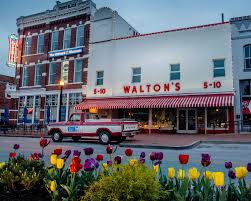
Have you heard the buzz about Bentonville, Arkansas? Once a humble town primarily known for being the headquarters of Walmart, Bentonville is now quickly emerging as one of the most desirable places to live in the United States. With explosive growth in both population and real estate, it’s no wonder that folks are flocking to this charming city.
A Thriving Community
Let’s start with the numbers. In 2023, Bentonville’s population grew by an impressive 2.7%, making it part of a larger trend that has seen a 9.8% increase since 2020. Experts predict this growth will continue, with Northwestern Arkansas expected to house over 1 million residents by 2050, according to the Arkansas Democrat-Gazette. That’s a whole lot of new neighbors!
But what’s driving this influx of residents? A major factor is Bentonville’s thriving corporate landscape. The city is home to corporate giants like Walmart, J.B. Hunt, and Tyson Foods, all of which have attracted high-profile executives and their families to the area. In the first half of 2024 alone, nearly 4,800 homes were sold, a staggering 8.5% increase compared to the same period last year. It’s clear that Bentonville is the place to be!
The Great Outdoors
One of the biggest draws for new residents is Bentonville’s proximity to the great outdoors. Post-COVID, many people have sought refuge from bustling city life, yearning for a more balanced lifestyle that includes nature. Bentonville has answered that call with its stunning outdoor spaces and recreational activities. Did you know it’s become known as the mountain biking capital of the U.S.? That’s right—thrill-seekers can hit the trails and enjoy the beautiful scenery while staying active.
The Real Estate Market
Now, let’s talk about the housing market. It’s sizzling! With 39.5% of homes sold being new construction, the demand is clearly high. However, we’re also experiencing a shift toward a buyer’s market. Rising interest rates and uncertainty surrounding upcoming elections are impacting the real estate landscape. But don’t let that fool you—Bentonville’s growth shows no signs of slowing down.
In fact, Walmart is planning to open a new “Home Office” campus next year, which is expected to bring even more people to the area. “As Walmart keeps recruiting and all these companies here keep bringing people to live in Northwest Arkansas, we’re just going to keep growing,” said Katlyn Munch, an agent at The Agency Bentonville. With more businesses moving in, including restaurants and local shops, Bentonville is quickly becoming a vibrant community filled with opportunities.
Inventory Challenges
Despite the rapid growth, Bentonville faces some challenges when it comes to housing inventory. Many homeowners are holding onto their properties due to low interest rates from the pandemic era, making them reluctant to sell. “There’s a lot of people holding on to that COVID two-point interest rate … they don’t want to sell because they have such a great rate,” noted local expert House.
With an average of 37 new residents arriving each day, the demand for housing is palpable. Even if we closed 29 new houses a day, it wouldn’t be enough to keep up with the influx. The good news? There’s plenty of new construction happening, but the competition for those homes is fierc
Bentonville, Arkansas, is on the rise, transforming from a sleepy town into a vibrant hub of activity and growth. With a thriving economy, a love for the outdoors, and a community spirit that’s hard to beat, it’s no surprise that more and more people are calling Bentonville home. Whether you’re looking to move, invest, or just visit, keep an eye on this blossoming city. The future looks bright, and I can’t wait to see what’s next for Bentonville!
If you’re considering a move or investment and require a trusted Real Estate Broker, we’re here to assist you. Contact us via email at TEAM@McDanielCallahan.com, complete the form below, or give us a call at 925-838-4300. We are ready to provide expert guidance and support for all your real estate needs. Terry McDaniel DRE License #00941526
In recent months, many hoped for a more affordable housing market, but the reality remains complex. While there are signs of recovery, high prices and mortgage rates continue to pose significant challenges for both buyers and sellers. Let’s delve into the current landscape of the housing market and what it means for you.
High Prices and Rising Home Values
Despite expectations for a dip in housing prices, home values have risen in 84% of the largest U.S. markets, with 27 of these areas experiencing price increases of over 10%. This trend has made homeownership even more elusive for many potential buyers. The continued rise in home values indicates that the market remains competitive, leaving many prospective homeowners feeling priced out.
The “Lock-In Effect”
One significant factor contributing to the current market dynamics is the “lock-in effect.” Many homeowners who secured low mortgage rates before the pandemic are reluctant to sell their homes and enter the market again, where current rates are considerably higher. This hesitancy has resulted in a limited inventory, keeping many homes off the market and exacerbating the affordability crisis.
Signs of Recovery
Despite these challenges, there are signs of recovery that offer a glimmer of hope for both buyers and sellers. Recently, mortgage rates have experienced a slight decline, making financing more accessible for those looking to purchase a home. Additionally, the inventory of available homes is beginning to increase, which could alleviate some of the pressure on buyers.
However, it’s essential to note that while these improvements are promising, they do not solve the overarching issue of affordability. Many buyers are still grappling with the financial realities of a high-cost market.
Regional Differences and the Slow Path to Recovery
The housing market is not monolithic; regional differences continue to play a significant role in shaping the experience of buyers and sellers. Some areas may see more significant recovery or activity than others, depending on local economic conditions and demand. Experts anticipate that the recovery will be slow, with more activity expected in the spring. However, both buyers and sellers remain cautious, making it difficult to predict the market’s trajectory.
While the current housing market presents challenges, there are also opportunities on the horizon. For buyers, understanding the nuances of local markets, being flexible in your search, and being prepared for potential competition can increase your chances of success. For sellers, considering the current market dynamics and pricing your home strategically will be crucial in attracting buyers.
Navigating the housing market today requires patience and informed decision-making. While affordability remains a pressing concern, emerging signs of recovery suggest that the landscape may soon shift, offering renewed opportunities for those ready to act. Stay informed, stay prepared, and you may just find the right opportunity amidst the complexities of the current market.
If you’re considering a move or investment and require a trusted Real Estate Broker, we’re here to assist you. Contact us via email at TEAM@McDanielCallahan.com, complete the form below, or give us a call at 925-838-4300. We are ready to provide expert guidance and support for all your real estate needs. Terry McDaniel DRE License #00941526
As extreme weather events become more frequent and severe, homebuyers are increasingly concerned about the safety of their investments. Hurricanes, floods, wildfires, and other natural disasters not only threaten property but also inflate insurance rates and decrease property values. In light of these growing concerns, finding a home in an area with a low risk of climate disasters is becoming more important than ever.
According to the Realtor.com® 2024 Housing and Climate Risk report, nearly 45% of U.S. homes are exposed to some form of extreme weather. However, there are still regions across the country that offer refuge from these risks. Here’s a look at the top 10 U.S. cities with the lowest risk of climate disasters, where homebuyers can find safer, more stable environments.
1. Akron, OH
Share of homes at the lowest risk: 91.1%
Total value of properties at the lowest risk: $55.4 billion
Akron leads the pack as one of the safest places to live in the U.S. when it comes to climate-related risks. With over 91% of homes facing minimal risk from hurricanes, floods, and wildfires, Akron offers peace of mind for those looking to invest in a secure location.
2. Cleveland, OH
Share of homes at the lowest risk: 89.3%
Total value of properties at the lowest risk: $163.5 billion
Cleveland, another Ohio city, ranks high in safety from climate disasters. Its inland location shields it from hurricanes, and its relatively mild weather makes it a low-risk area for natural calamities.
3. Seattle, WA
Share of homes at the lowest risk: 88.4%
Total value of properties at the lowest risk: $784.2 billion
Seattle may be known for its rainy reputation, but when it comes to climate disasters, it fares well. With a high percentage of homes at low risk, Seattle offers a solid market for homebuyers concerned about extreme weather threats.
4. Columbus, OH
Share of homes at the lowest risk: 87.7%
Total value of properties at the lowest risk: $197.6 billion
Ohio continues to dominate the list with Columbus ranking as another low-risk city. Its inland location keeps it safe from coastal threats like hurricanes, and the city’s flood protection measures further add to its appeal.
5. Cincinnati, OH
Share of homes at the lowest risk: 87.7%
Total value of properties at the lowest risk: $199.3 billion
Cincinnati boasts nearly 88% of homes at low risk from climate disasters, making it an attractive option for buyers seeking security. The city’s efforts to protect against flooding have helped it maintain this status.
6. Dayton, OH
Share of homes at the lowest risk: 87.2%
Total value of properties at the lowest risk: $57.8 billion
Dayton’s strong infrastructure and natural protection from hurricanes and wildfires have earned it a spot on the list of safest cities. Its lower housing prices compared to other cities on this list make it an affordable option for homebuyers prioritizing safety.
7. Indianapolis, IN
Share of homes at the lowest risk: 86.9%
Total value of properties at the lowest risk: $190.1 billion
Indianapolis is another Midwestern city that offers refuge from extreme weather. With minimal exposure to natural disasters, the city is an appealing choice for those seeking a safe and stable home base.
8. Pittsburgh, PA
Share of homes at the lowest risk: 84.7%
Total value of properties at the lowest risk: $183.3 billion
Pittsburgh has long been considered a safe place to live in terms of natural disasters. Its inland position and elevation protect it from many of the threats coastal cities face, making it a smart choice for safety-conscious buyers.
9. Toledo, OH
Share of homes at the lowest risk: 83.6%
Total value of properties at the lowest risk: $41 billion
Toledo, another Ohio city on the list, offers affordable housing options with low exposure to natural disasters. This city’s real estate market is a great fit for buyers looking to protect their investments.
10. Grand Rapids, MI
Share of homes at the lowest risk: 82.2%
Total value of properties at the lowest risk: $93.4 billion
Grand Rapids rounds out the top 10 with a strong showing in climate safety. The city’s inland location shields it from hurricanes and wildfires, and its flood risk is relatively low compared to many other areas in the U.S.
Why Climate-Safe Cities Matter
Living in areas with low climate disaster risk offers numerous benefits. Not only do homeowners experience reduced risk of property damage, but they also enjoy lower insurance costs, as high-risk areas like Florida and Mississippi have seen insurance premiums skyrocket. In Mississippi, rates are 30% above the national average, while Florida’s insurance costs are four times higher than the national average due to its frequent hurricane activity.
Moreover, climate-safe cities tend to offer more stable housing markets. As the threat of natural disasters increases, “climate migrants” are relocating from high-risk areas to safer regions, creating “climate abandonment areas” where property values may decrease. Choosing to live in a safer location can lead to a more secure and fulfilling lifestyle for homeowners.
How to Assess Climate Risk Before Buying
Realtor.com has introduced property-specific environmental risk scores that allow potential buyers to evaluate the level of risk for hazards like hurricanes, floods, and wildfires. These scores provide valuable insights and help homebuyers make informed decisions about where to invest.
As Realtor.com economist Jiayi Yu explains, “Living in areas with a low risk of natural disasters offers numerous benefits to homeowners, including reduced risk of property damage, lower insurance costs, and a more stable local economy.”
As extreme weather events continue to rise, it’s crucial for homebuyers to factor climate risk into their decisions. The cities mentioned above provide excellent options for those looking for a safe and secure environment, free from the constant threat of natural disasters. By considering climate risk when buying a home, you not only protect your investment but also ensure a more stable and peaceful living experience.
If you’re considering a move or investment and require a trusted Real Estate Broker, we’re here to assist you. Contact us via email at TEAM@McDanielCallahan.com, complete the form below, or give us a call at 925-838-4300. We are ready to provide expert guidance and support for all your real estate needs. Terry McDaniel DRE License #00941526
One of the most common questions clients ask when entering a real estate transaction is, “Who pays for what?” Understanding the financial responsibilities of buyers and sellers can be crucial in navigating the complexities of a real estate deal. This simple breakdown will help clarify these responsibilities so that you can feel more confident as you approach your next home sale or purchase.
Seller Responsibilities
As a seller, several costs are typically associated with the sale of your property. Here’s a list of the most common expenses you can expect to pay:
Document Transfer Tax Depending on your location, you may need to pay taxes related to the transfer of property ownership.
City Transfer or Conveyance Taxes These are additional taxes that some municipalities impose when property changes hands.
Termite Inspection and Work A termite inspection is often required, and if issues are found, repairs (Section 1 work) are generally the seller’s responsibility. This cost is negotiable, however.
Home Warranty Sellers may offer a home warranty as a form of insurance for buyers, covering repairs for appliances and systems. This is also negotiable.
HOA Document and Transfer Fees If your property is part of a homeowners association, you may need to cover the costs associated with transferring ownership documents.
Notary Fees and Escrow Fees These fees are incurred during the closing process and are typically the seller’s responsibility.
Title Insurance Premium – Owner’s Policy This protects the seller against any title issues that may arise post-sale.
Overall, these costs generally amount to about 7-10% of the sale price, depending on local regulations. While this may sound intimidating, it’s essential to remember that when you purchased your home, the seller paid for similar expenses.
Buyer Responsibilities
On the flip side, buyers also have their share of financial obligations. Here’s what you can typically expect to pay when purchasing a home:
Title Insurance Premium – Lender’s Policy Buyers usually need to pay for this type of title insurance to protect the lender against any title issues.
Notary Fees and Escrow Fees Like sellers, buyers are responsible for these fees during the closing process.
Lender Document Preparation Fees If applicable, these fees cover the preparation of necessary loan documents.
Recording Changes for All Documents in Buyer’s Name There may be fees associated with recording the change of ownership.
Tax Proration Buyers will be responsible for property tax proration from the date of acquisition.
Loan Origination Fees Depending on your lender, you may incur fees for processing your loan application.
Interest on New Loan Interest on the new loan will be owed from the date of funding until the first payment is due, usually about 30 days later.
Home Inspection While not a requirement, a home inspection is highly recommended to identify any potential issues with the property.
Homeowner’s Insurance Policy Buyers are required to obtain insurance for the property to protect against potential damages.
The costs associated with buying a home can vary significantly based on the type and amount of your home loan. It’s crucial to work closely with your lender and real estate professional to get a clear picture of what to expect.
Clarity is Key
Understanding who pays for what in a real estate transaction can help alleviate some of the stress associated with buying or selling a home. By being aware of these financial responsibilities, both buyers and sellers can better prepare themselves for the costs involved in their respective transactions. If you have any questions or need assistance estimating these costs, don’t hesitate to reach out to a real estate professional who can guide you through the process. Knowledge is power, and being informed is the first step toward a successful transaction!
If you’re considering a move or investment and require a trusted Real Estate Broker, we’re here to assist you. Contact us via email at TEAM@McDanielCallahan.com, complete the form below, or give us a call at 925-838-4300. We are ready to provide expert guidance and support for all your real estate needs. Terry McDaniel DRE License #00941526








 Find a Broker™