What It Means to Buy a Home from an Absentee Owner

When buying a home, most buyers expect to work directly with a seller who lives in the property. But sometimes, you may come across a listing where the owner isn’t around. This is called an absentee owner situation. Understanding what that means can help you know what to expect in the buying process.

What Is an Absentee Owner?

An absentee owner is someone who owns the property but does not live in it. Common examples include:

  • Rental properties where the owner lives in another city or state.
  • Inherited homes that the owner hasn’t moved into.
  • Investment properties that have sat vacant for a while.

What Buyers Should Know

  1. Property Condition Could Vary
    Some absentee owners keep their homes well-maintained, but others may have deferred maintenance. Be prepared for surprises during inspection.
  2. Limited Knowledge About the Property
    If the seller hasn’t lived in the home, they may not be able to disclose certain details, like quirks of the heating system or past repair issues. This makes a thorough inspection even more important.
  3. Negotiation Opportunities
    Absentee owners may be motivated to sell quickly—especially if the property is costing them money to hold. This could give you room to negotiate.
  4. Extra Paperwork
    If the seller lives out of state, expect additional steps for signatures, legal documents, and sometimes power-of-attorney arrangements.

Buying from an absentee owner isn’t a bad thing—it just comes with unique circumstances. With the right real estate agent guiding you, the process can move smoothly, and you may even find a great opportunity.

If you’re considering a move or investment and require a trusted Real Estate Broker, we’re here to assist you. Contact us via email at TEAM@McDanielCallahan.com, complete the form below, or give us a call at 925-838-4300. We are ready to provide expert guidance and support for all your real estate needs. Terry McDaniel DRE License #00941526

Go back

Your message has been sent

Warning
Warning
Warning
Warning.

Should You Stage and Clean Your Fridge Before You Sell?

When preparing your home for sale, you probably think about staging the living room, adding fresh flowers to the dining table, or giving the bathrooms a spotless shine. But what about your refrigerator? Should you really stage and clean it before buyers come through? The answer is a resounding yes—and here’s why.

First Impressions Go Beyond the Living Room

Buyers are curious. They’ll open closets, peek in cabinets, and yes, check the fridge. A messy, half-empty, or worse—smelly fridge—can leave a lasting negative impression. Even though you’re not selling the fridge itself, it says something about how the rest of the home has been cared for.

Cleanliness Speaks Volumes

A sparkling clean refrigerator communicates pride of ownership. It reassures buyers that the home has been well maintained, not just on the surface but in the details. Think of it like shining your shoes before a job interview—small, but powerful.

Staging the Fridge: A Pro Tip

No one’s expecting your fridge to look like a magazine spread, but a little effort goes a long way.

  • Declutter: Toss expired condiments and old leftovers.
  • Wipe down shelves: A damp cloth and mild cleaner can make it sparkle.
  • Stage lightly: A pitcher of water, a bowl of fresh fruit, or a few neatly organized items create a clean, inviting look.

Why It Matters in the Sale

Buyers often make emotional decisions. A clean, staged fridge reinforces the feeling that this is a home where everything is cared for and well loved. That feeling can help tip the scales when it’s time to make an offer.

When selling your home, don’t overlook the little things. Cleaning and lightly staging your fridge won’t take much time, but it can leave a surprisingly strong impression on potential buyers. After all, in real estate, it’s the details that can help seal the deal.

Fridge Staging Checklist

✅ Toss the mystery Tupperware (if you don’t know what it is…neither will buyers).
✅ Retire the “science experiments” growing in the veggie drawer.
✅ Wipe away that mysterious sticky spot (we all have one).
✅ Keep a pitcher of water—it says fresh without saying a word.
✅ Add a few colorful fruits or veggies (lemons, limes, or apples = instant cheer).

If you’re considering a move or investment and require a trusted Real Estate Broker, we’re here to assist you. Contact us via email at TEAM@McDanielCallahan.com, complete the form below, or give us a call at 925-838-4300. We are ready to provide expert guidance and support for all your real estate needs. Terry McDaniel DRE License #00941526

Go back

Your message has been sent

Warning
Warning
Warning
Warning.

Budgeting for Ongoing Costs: The Hidden Side of Homeownership

When most buyers sit down to plan their home purchase, they focus on the big-ticket numbers — the price of the house, the down payment, and the monthly mortgage. But here’s the truth: those are only part of the story. Owning a home is a bit like owning a car — the purchase price gets you in the door, but the ongoing costs are what keep it running smoothly.

If you don’t plan for these recurring expenses, you may find yourself stretched thin down the road. Let’s talk about the big three (and a few extras) that should be in every homeowner’s budget.

1. Property Taxes

Your property taxes are not a one-and-done expense. They’re due every year, and they can change over time. A newly purchased home might have lower taxes based on the seller’s assessment, but after the county reassesses the property (often after a sale), your tax bill could go up.
Pro Tip: Ask your agent or lender for the current tax rate and check recent reassessments in the neighborhood so you can budget more accurately.

2. Homeowners Insurance

This is your safety net. It protects you against losses from fire, theft, certain natural disasters, and liability issues. Premiums vary based on the home’s value, location, age, and even your credit score.
Pro Tip: Get a quote early in your home search and factor it into your monthly costs. Also, shop around — not all policies are created equal.

3. Maintenance & Repairs

Even brand-new homes need maintenance — think HVAC servicing, gutter cleaning, landscaping, and pest control. And let’s be honest, older homes will have more wear-and-tear surprises. A good rule of thumb is to set aside 1–3% of your home’s purchase price each year for maintenance.
Pro Tip: Start a dedicated home maintenance fund so you’re ready for the day your water heater decides to quit mid-shower.

Don’t Forget the Extras

  • HOA fees (if applicable)
  • Utility bills (which might be higher than you expect if moving from an apartment)
  • Upgrades and improvements (because no one buys a home and never changes a thing)

A smart homebuyer isn’t just thinking about the mortgage — they’re looking at the total cost of ownership. By factoring in property taxes, insurance, and maintenance from the start, you’ll protect your budget, avoid nasty surprises, and truly enjoy the home you worked so hard to buy.

If you’re considering a move or investment and require a trusted Real Estate Broker, we’re here to assist you. Contact us via email at TEAM@McDanielCallahan.com, complete the form below, or give us a call at 925-838-4300. We are ready to provide expert guidance and support for all your real estate needs. Terry McDaniel DRE License #00941526

Go back

Your message has been sent

Warning
Warning
Warning
Warning.

Buying a Home? Focus on What Works for YOU—Not Just the Hype

When you’re touring homes, it’s easy to get caught up in the excitement—and even easier to get swept away by a real estate agent’s enthusiastic pitch. Most agents are honest professionals, but sometimes the description of a home can lean a little… optimistic. That “cozy” bedroom? It might mean small. “Open concept”? Could mean there’s less storage.

The truth is, the person who has to live in the home is you—not your agent, not the seller, and not the person who wrote the listing description. That’s why your evaluation needs to go deeper than the sales pitch.

3 Tips for Evaluating a Home Beyond the Hype

  1. Use All Your Senses
    Don’t just look—listen for traffic noise, sniff for any musty odors, and notice how the house feels in terms of light and airflow.
  2. Think About Your Daily Life
    Picture where you’ll put the coffee maker, how you’ll get laundry done, or where the kids will do homework. A home might look great during a showing, but will it work for your everyday routine?
  3. Verify, Don’t Assume
    If the agent says “brand-new roof,” ask for documentation. If they say “updated electrical,” check the inspection report.

A house can be beautiful on the surface but still not be your home. Take the time to evaluate what works best for you and your lifestyle—not just what sounds good in the listing.

Because when the moving boxes are unpacked and the hype fades, you’ll want to be confident you chose the right place for the right reasons.

If you’re considering a move or investment and require a trusted Real Estate Broker, we’re here to assist you. Contact us via email at TEAM@McDanielCallahan.com, complete the form below, or give us a call at 925-838-4300. We are ready to provide expert guidance and support for all your real estate needs. Terry McDaniel DRE License #00941526

Go back

Your message has been sent

Warning
Warning
Warning
Warning.

Why You Should Pick a Specific Closing Date in Your Contract

When you’re buying or selling a home, one of the most important details in the purchase contract is the closing date. This is the day when ownership officially changes hands, keys are exchanged, and the deal is done. Yet many contracts simply state “30 days from acceptance” instead of naming an exact date—and that can cause unnecessary confusion.

Here’s why you should always work with your agent to select a specific closing date before signing.

1. Avoid Weekend or Holiday Closures

Title companies, lenders, and county offices often close on weekends and federal holidays. If your 30-days-from-acceptance date lands on one of those days, you’ll be forced to adjust at the last minute, which can throw off moving plans, utility transfers, and even loan rate locks.

2. Keep Everyone on the Same Page

Picking a clear date in the contract means everyone—the buyer, seller, lender, title company, and movers—has the same target in mind. No one has to calculate days on a calendar or guess when the deal will close.

3. Avoid Unnecessary Delays

When the date is vague, small misunderstandings can create big headaches. A specific date removes ambiguity and keeps your transaction on track, reducing the risk of a delay in funding or possession.


Sit down with your real estate agent before submitting or accepting an offer and choose a realistic, mutually agreed-upon closing date. Your agent will factor in financing timelines, inspections, and any special conditions to ensure the date works for both sides.


Don’t leave your closing date up to chance. A specific date in your contract provides clarity, avoids last-minute surprises, and helps your transaction run smoothly from start to finish.

If you’re considering a move or investment and require a trusted Real Estate Broker, we’re here to assist you. Contact us via email at TEAM@McDanielCallahan.com, complete the form below, or give us a call at 925-838-4300. We are ready to provide expert guidance and support for all your real estate needs. Terry McDaniel DRE License #00941526

Go back

Your message has been sent

Warning
Warning
Warning
Warning.

Buying a home? Don’t Skip This Detail

If you’re diving into the home buying process for the first time, you’re probably hearing a lot of new terms—”pre-approval,” “escrow,” “contingencies”—but one that often raises eyebrows is earnest money. What is it? Do you really need to fork it over? And how do you avoid losing it?

Let’s break it down..

What Is Earnest Money?

Think of earnest money as a “good faith” deposit. When you find the home and make an offer, you include a small upfront payment to show the seller you’re serious—not just casually browsing Zillow with your morning coffee.

This deposit typically ranges from 1% to 3% of the purchase price, depending on the market and local norms. So on a $400,000 house, that could be $4,000–$12,000.

Once the seller accepts your offer, your earnest money is held in an escrow account until closing. It eventually gets applied toward your down payment or closing costs—it’s not an extra fee.

Why It Matters

To put it bluntly: earnest money tells the seller you’re not going to ghost them. Selling a home takes time, energy, and emotions. Earnest money helps the seller feel secure pulling their home off the market for you.

It also gives buyers skin in the game. You’re less likely to back out on a whim when real money is involved.

How to Protect Your Earnest Money

The idea of putting down thousands of dollars before you even close on the home can be nerve-wracking. Here’s how to protect your deposit:

1. Use Contingencies Wisely

Include inspection, financing, and appraisal contingencies in your offer. If the home inspection reveals major issues or your financing falls through, these clauses allow you to back out and get your money back.

2. Meet Your Deadlines

Real estate transactions are full of deadlines. Miss one—like your inspection window or deposit date—and you could forfeit your earnest money. Stay on top of your timeline, or have a great agent who keeps you organized.

3. Get It in Writing

Everything about your earnest money—how much, when it’s due, what conditions allow for a refund—should be outlined in your purchase agreement. Don’t rely on verbal assurances.

4. Only Pay Through Official Channels

Never give earnest money directly to a seller. It should always go to a trusted third-party, like an escrow company, brokerage, or attorney.

It’s a Show of Serious Intent

Earnest money isn’t something to fear—it’s a normal and important part of the homebuying process. It helps build trust between buyer and seller, and with the right protections in place, it’s a deposit that works in your favor.

If you’re unsure how much to offer or how to structure your contingencies, talk to your real estate agent. (That’s what we’re here for!)

P.S. Earnest money isn’t the same as a down payment—but it can count toward it. So don’t worry—you’re not writing a check that vanishes into the ether. Think of it more like the opening move.

Want more tips on buying smart and avoiding costly mistakes? Stick around—we’ve got you covered.

If you’re considering a move or investment and require a trusted Real Estate Broker, we’re here to assist you. Contact us via email at TEAM@McDanielCallahan.com, complete the form below, or give us a call at 925-838-4300. We are ready to provide expert guidance and support for all your real estate needs. Terry McDaniel DRE License #00941526

Go back

Your message has been sent

Warning
Warning
Warning
Warning.

Don’t Forget These Overlooked Safety Features Before Listing Your Home

Look, I know prepping your house for the market can feel overwhelming. Between sprucing up your curb appeal and staging your living room like it’s straight out of an HGTV marathon, it’s easy to forget the unglamorous—but crucial—stuff.

Let me put it this way: buyers want a home that feels like a dream, but it better not come with the potential for nightmares. So before you schedule that open house or post your “For Sale” sign on Instagram, take five to make sure these three safety essentials are squared away.

1. Carbon Monoxide Detectors

Ah, carbon monoxide—the silent ninja of household hazards. You can’t see it, you can’t smell it, and you definitely don’t want it making a guest appearance at your home inspection.

Most states require carbon monoxide detectors outside sleeping areas. But even if your state’s laws are a little behind the times, inspectors and buyers still expect to see them. It’s like showing up to a wedding in flip-flops—it might not be illegal, but it’s definitely frowned upon.

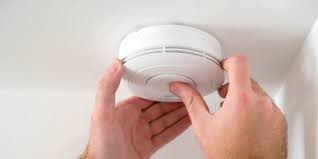
Combo smoke/CO detectors are like the Swiss Army knife of home safety. One device, two problems solved. Plus, it just looks cleaner.

2. Smoke Detectors:

True story: I once toured a house where the smoke detector was hanging by one wire and chirping like it was auditioning for American Idol. Talk about a red flag.

Functional smoke detectors should be in every bedroom, hallway, and on every level of your home. And by “functional,” I mean ones that actually work—not the dusty unit you silenced with a broom handle three years ago during a burnt popcorn incident.

Quick Checklist:

  • Test each unit. Yes, press the button. No, it won’t explode.
  • Replace any that are more than 10 years old. They’ve served their time.
  • Use lithium batteries for less hassle and longer life. You’re welcome.

3. Strap That Water Heater

If you’re in California—or anywhere that the ground occasionally does the cha-cha—water heater strapping is the law. But even in less shaky regions, it’s still a smart move. An unstrapped water heater in an earthquake or strong jostle can cause water damage, gas leaks, and a massive headache.

Why This All Matters

You can have the prettiest throw pillows in town, but if your smoke detectors are dead and your water heater’s doing the limbo, buyers are going to notice. And inspectors? They’ll flag it faster than you can say, “Wait, I thought that was optional.”

Don’t just make your house look like a dream home—make sure it functions like one. A few inexpensive updates—carbon monoxide detectors, working smoke alarms, and a properly strapped water heater—can go a long way in showing buyers that you’ve taken care of the place.

And hey, if nothing else, your house won’t beep at you in the middle of the night anymore. That’s worth it alone.

If you’re considering a move or investment and require a trusted Real Estate Broker, we’re here to assist you. Contact us via email at TEAM@McDanielCallahan.com, complete the form below, or give us a call at 925-838-4300. We are ready to provide expert guidance and support for all your real estate needs. Terry McDaniel DRE License #00941526

Go back

Your message has been sent

Warning
Warning
Warning
Warning.


Sellers, Read This Before Your Open House—Secure Your Valuables

If you’re preparing your home for an open house, you’re likely focusing on curb appeal, decluttering, and making everything look picture-perfect. But there’s one important step many sellers overlook: securing or removing valuables and medications from your home.

Why This Matters

During an open house, potential buyers will be walking through your property—often unaccompanied while exploring different rooms. While most visitors are respectful and truly interested in the home, it’s smart to prepare for the few who might not be.

What to Secure or Remove

1. Jewelry & Small Valuables
These items are easy to pocket and often kept in obvious places like dressers or nightstands. Store them in a locked drawer or safe, or remove them from the home entirely.

2. Electronics & Portable Devices
Laptops, tablets, gaming consoles, and even spare phone chargers should be kept out of sight.

3. Medications
Both prescription and over-the-counter medications should be removed from bathroom cabinets or drawers. These are common targets and are often in easy-to-reach places.

4. Financial Documents
Check desks and home offices for anything with personal or financial information, including bank statements, checkbooks, and bills.

5. Spare Keys & Garage Openers
If you leave a spare house key in a drawer or hang a garage remote by the door, now is the time to hide or remove them.

Do a Last-Minute Sweep

Before each showing or open house, take a quick walk through your home as if you were a visitor. What’s visible and easily accessible? If something catches your eye, it might catch someone else’s too.

You’re showcasing your home, not your belongings. Taking a few precautions will give you peace of mind while your home is on display.

If you’re considering a move or investment and require a trusted Real Estate Broker, we’re here to assist you. Contact us via email at TEAM@McDanielCallahan.com, complete the form below, or give us a call at 925-838-4300. We are ready to provide expert guidance and support for all your real estate needs. Terry McDaniel DRE License #00941526

Go back

Your message has been sent

Warning
Warning
Warning
Warning.

Smart Home Upgrades Worth the Investment: A Realtor’s Guide for Sellers


When it comes to selling a home, not all upgrades are created equal. While granite countertops and new paint are great, today’s buyers are also looking for smart home features that boost convenience, efficiency, and security. If you’re thinking of listing your home, consider making these smart upgrades that are not only attractive to buyers but can also increase your home’s value.

1. Smart Thermostat

A smart thermostat like Nest or Ecobee allows homeowners to control heating and cooling from their phones—and buyers love the energy savings. According to industry data, homes with smart thermostats tend to sell faster and appeal to eco-conscious buyers looking for lower utility bills.

2. Smart Security Systems

From video doorbells to motion-sensing cameras, a smart security setup gives potential buyers peace of mind. It’s a small investment with big appeal—especially for families or people relocating to a new neighborhood.

3. Smart Lighting

Automated lighting systems can be controlled remotely or by voice. Not only do they offer convenience, but they also help save energy and improve home security when the house is empty.

4. Smart Locks

Keyless entry systems are a growing trend in home tech. A smart lock offers convenience and security, especially during home showings when multiple agents may need temporary access.

5. Smart Irrigation Systems

If you live in a region where lawn maintenance is a big deal, a smart sprinkler system that adapts to weather conditions is a thoughtful upgrade. Buyers appreciate low-maintenance, eco-friendly touches.

Why It Matters for Sellers

Buyers are increasingly tech-savvy and interested in homes that reflect modern living. While a smart home won’t double your home’s value, it can certainly make your property stand out in a competitive market. It sends a message that the home has been thoughtfully cared for and updated for convenience and efficiency.

Make sure you highlight these features in your listing description, and let your real estate agent know to mention them during showings. Sometimes, it’s the little conveniences that make the biggest impression.

If you’re considering a move or investment and require a trusted Real Estate Broker, we’re here to assist you. Contact us via email at TEAM@McDanielCallahan.com, complete the form below, or give us a call at 925-838-4300. We are ready to provide expert guidance and support for all your real estate needs. Terry McDaniel DRE License #00941526

Go back

Your message has been sent

Warning
Warning
Warning
Warning.

Should You Include Your Fridge, Washer & Dryer When You Sell Your House? Pros and Cons

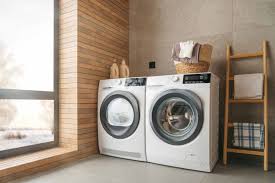
When selling your home, one question that often comes up is: Should you leave your appliances—like the fridge, washer, and dryer—or take them with you?

There’s no one-size-fits-all answer, but there are pros and cons to both sides, and understanding them can help you make the best choice for your situation and your sale.

The Pros of Including Appliances in the Sale

✅ More Appealing to Buyers

Buyers love move-in-ready homes. Including the refrigerator, washer, and dryer can make your property more attractive, especially to first-time buyers who may not have their own.

✅ Stand Out in the Market

If competing homes don’t include appliances, your listing could have an edge. It’s a small incentive, but it could tip the scales.

✅ One Less Thing to Move

Let’s face it—appliances are heavy and a hassle to move. If your new place already has appliances or you’re planning to upgrade, leaving them behind can be a relief.

The Cons of Leaving Your Appliances

❌ Sentimental or High-End Appliances

If you’ve invested in a high-end washer or a fridge with all the bells and whistles, you might prefer to take them with you. Buyers may not value them as much as you do.

❌ Replacing Appliances Later

If your new home doesn’t have appliances, you’ll be on the hook for purchasing replacements, which can be expensive and time-consuming.

❌ Potential for Confusion

Not clearly outlining what stays and what goes can cause misunderstandings or closing delays. Always list included (and excluded) items in the purchase contract.

So, What’s the Best Choice?

Ask yourself:

  • Will including the appliances help sell my home faster?
  • Do I want/need to keep these appliances for my next place?
  • Are they in good condition and worth leaving as part of the deal?

If you’re working with a real estate agent (and you should be!), they can advise you based on your local market. In a seller’s market, you may not need to offer appliances as an incentive. In a buyer’s market, every added value counts.

Always be clear about what stays and what goes. Put it in writing in the listing and the contract. It’ll avoid confusion and protect both you and the buyer.

Need help deciding what to include when you sell your home? Let’s talk—we’re here to guide you every step of the way.

If you’re considering a move or investment and require a trusted Real Estate Broker, we’re here to assist you. Contact us via email at TEAM@McDanielCallahan.com, complete the form below, or give us a call at 925-838-4300. We are ready to provide expert guidance and support for all your real estate needs. Terry McDaniel DRE License #00941526

Go back

Your message has been sent

Warning
Warning
Warning
Warning.