Selling Your Home? Here’s What to Do With Your Pets During Showings

When your home is on the market, making a great first impression is key. Buyers want to envision themselves in your space, and while your pets may be part of your family, they can sometimes be a distraction during showings. The best approach? Have your pets out of the house when potential buyers come to visit.

Why Should Pets Be Removed During Showings?

1. Buyers Need to Feel Comfortable

Some buyers love animals, but others may have allergies or even fears. Removing your pets helps ensure that every potential buyer can explore the home comfortably without distractions.

2. It Helps Buyers Focus on the Home

A barking dog or a curious cat can take the buyer’s attention away from the home itself. You want them focusing on the beautiful kitchen, spacious backyard, and cozy living spaces—not your pet’s adorable antics.

3. Reduces Stress for Your Pets

Showings can be unpredictable and stressful for animals, especially with strangers coming in and out. Avoid unnecessary anxiety for your pets by planning ahead.

Where Should Your Pets Go During Showings?

  • Take them for a walk – A simple walk around the neighborhood can give buyers enough time to view the home.
  • Visit a neighbor or friend – If possible, leave your pets with a trusted neighbor or family member.
  • Use a pet daycare – Some pet daycare facilities offer short-term stays, which can be a great option for extended showings.

While your home is on the market, making a plan for your pets during showings can make a big difference in how buyers perceive your home. Giving buyers a distraction-free, welcoming environment helps them take their time and truly picture themselves living there—making a sale that much more likely.

Thinking about selling? Let’s talk about how to get your home show-ready!

If you’re considering a move or investment and require a trusted Real Estate Broker, we’re here to assist you. Contact us via email at TEAM@McDanielCallahan.com, complete the form below, or give us a call at 925-838-4300. We are ready to provide expert guidance and support for all your real estate needs. Terry McDaniel DRE License #00941526

Go back

Your message has been sent

Warning
Warning
Warning
Warning.

Selling Your Home? Know What to Expect from Your Listing Timeline

Recently, a friend shared a story about someone who had listed their home for sale but was completely unaware of when it would be live on the Multiple Listing Service (MLS). They had signed a listing agreement, prepped the house, and even had professional photos taken—but they had no idea when their home would actually be listed.

This highlights an important aspect of working with a real estate agent: communication. When you sign a listing agreement, it should include important dates, and your agent should provide a clear schedule of events so you know exactly when each step is happening.

What to Expect in Your Listing Timeline

A good real estate agent should outline the following key steps:

  1. Listing Agreement Signed – This is when you officially agree to list your home with an agent.
  2. Home Preparation & Staging – If needed, your agent will help coordinate decluttering, repairs, and staging.
  3. Photography & Marketing Prep – Professional photos, virtual tours, and marketing materials are created.
  4. MLS Listing Date – The date your home goes live on the market. This should be clearly communicated.
  5. Showings & Open Houses Begin – Buyers will start touring your home, either through scheduled showings or open houses.
  6. Offer Review & Negotiations – When offers come in, your agent will guide you through the negotiation process.

If You Have Questions, Ask!

Your real estate agent should be your guide throughout this process. If you’re ever unsure about when something is happening, don’t sit around wondering—reach out and ask. A well-informed seller is an empowered seller, and clear communication ensures a smooth and stress-free home-selling experience.

If you’re thinking about selling and want an agent who keeps you informed every step of the way, let’s connect!

If you’re considering a move or investment and require a trusted Real Estate Broker, we’re here to assist you. Contact us via email at TEAM@McDanielCallahan.com, complete the form below, or give us a call at 925-838-4300. We are ready to provide expert guidance and support for all your real estate needs. Terry McDaniel DRE License #00941526

Go back

Your message has been sent

Warning
Warning
Warning
Warning.

Why Invest in Real Estate?

Real estate has long been considered one of the most reliable and rewarding investment options available. Whether you’re a seasoned investor or just starting to explore the world of wealth-building, real estate offers a range of benefits that make it an attractive choice. Let’s dive into the key reasons why real estate investment might be the right move for you.

1. Generate Passive Income

One of the most appealing aspects of real estate is its ability to provide consistent passive income. Rental properties, for example, can deliver a steady cash flow each month. This income can help cover mortgage payments, property maintenance costs, and even provide extra earnings to reinvest or save.

With the right property in the right location, your investment can turn into a reliable revenue stream that supports your financial goals.

2. Appreciation in Property Value

Real estate tends to appreciate in value over time, making it an excellent long-term investment. While markets can fluctuate, history shows that property values generally increase over decades.

This means that not only can you earn income from your property in the short term, but you can also build wealth as its value grows. When the time comes to sell, you could benefit from significant capital gains.

3. Enjoy Tax Advantages

Real estate investors have access to a variety of tax benefits, including deductions for mortgage interest, property taxes, and operating expenses. Depreciation is another powerful tool, allowing investors to reduce their taxable income while their property’s value continues to grow.

These tax benefits can help offset the costs of property ownership, maximizing the profitability of your investment.

4. Diversify Your Portfolio

Investing in real estate provides a layer of stability and diversification to your portfolio. Unlike stocks or other assets that are more volatile, real estate often acts as a hedge against market fluctuations.

By adding property to your investment mix, you reduce overall risk and create a more balanced financial strategy.

5. Control Over Your Investment

Unlike other investment options where you have little control, real estate allows you to take an active role. From choosing the location and property type to managing tenants and improving the property, you can directly influence the success of your investment.

This hands-on approach can be both empowering and profitable.

Ready to Start Your Real Estate Journey?

Real estate investment is not only about generating wealth but also about creating opportunities for financial independence and stability. With its potential for passive income, value appreciation, tax benefits, diversification, and hands-on control, it’s a smart choice for those looking to grow their portfolio.

If you’re considering a move or investment and require a trusted Real Estate Broker, we’re here to assist you. Contact us via email at TEAM@McDanielCallahan.com, complete the form below, or give us a call at 925-838-4300. We are ready to provide expert guidance and support for all your real estate needs. Terry McDaniel DRE License #00941526

Go back

Your message has been sent

Warning
Warning
Warning
Warning.

Selling a Home in a Trust: Documents You’ll Need

When your home is held in a trust, selling it involves additional steps and specific documentation to ensure a smooth transaction. Trusts are excellent tools for estate planning, but understanding the paperwork required to sell a property in a trust is essential. Here’s a guide to help you prepare:

1. Trust Agreement

The trust agreement is the foundational document outlining the terms and conditions of the trust. It identifies:

  • The trustee(s) authorized to act on behalf of the trust.
  • Any restrictions on selling the property.
    You’ll need this document to demonstrate the trustee’s authority to sell the home.

2. Certificate of Trust or Memorandum of Trust

In many cases, a full trust agreement isn’t required. Instead, you may provide a Certificate of Trust or Memorandum of Trust. This summarizes key details, including:

  • The trust’s existence.
  • The trustee’s authority.
  • The trust’s legal name.

3. Trustee Identification

Trustees must provide valid identification to confirm they are authorized to act on behalf of the trust.

4. Property Title or Deed

Ensure the property title or deed reflects ownership by the trust. If it doesn’t, you may need to update the title before proceeding with the sale.

5. Letter of Authorization

If multiple trustees are listed in the trust, you may need a written letter of authorization from all trustees or beneficiaries permitting the sale.

6. Tax Identification Number

If the trust has its own Tax Identification Number (TIN), this may be required for tax-related forms during the transaction.

7. Affidavit of Trust

Some states or buyers’ title companies may require an affidavit of trust, a sworn statement affirming the trust’s validity and the trustee’s authority.

8. Consent from Beneficiaries (if applicable)

In certain trusts, the beneficiaries must approve the sale. Check the trust agreement to determine if this step is necessary.

9. Legal and Financial Documentation

Be prepared to provide any additional legal or financial documents requested by your attorney, title company, or buyer’s representative.

10. Consult a Professional

Selling a home in a trust can be complex. Work with:

  • A real estate agent experienced in trust sales.
  • An attorney to ensure all legal requirements are met.
  • A tax advisor to understand the tax implications of the sale.

Selling a property in a trust requires preparation, but with the right documents and professional guidance, you can navigate the process confidently. Being proactive and organized ensures a seamless transaction, leaving you ready for the next chapter.

If you have questions about selling your home in a trust, reach out to a qualified real estate professional or attorney to help you every step of the way.

If you’re considering a move or investment and require a trusted Real Estate Broker, we’re here to assist you. Contact us via email at TEAM@McDanielCallahan.com, complete the form below, or give us a call at 925-838-4300. We are ready to provide expert guidance and support for all your real estate needs. Terry McDaniel DRE License #00941526

Go back

Your message has been sent

Warning
Warning
Warning
Warning.

Refinancing 101: When and How to Refinance Your Home Loan

Refinancing your home loan can be a smart financial move, but it’s not a one-size-fits-all solution. Before diving in, it’s essential to understand the process, the benefits, and the potential downsides to determine if refinancing is the right choice for you.

What is Refinancing?

Refinancing involves replacing your existing mortgage with a new one, often with different terms. The goal may be to secure a lower interest rate, change the loan term, or tap into your home’s equity.

When to Consider Refinancing

  1. Lower Interest Rates: If current rates are significantly lower than your original mortgage rate, refinancing could save you thousands over the life of the loan.
  2. Shorten or Extend Loan Term: Refinancing can help you pay off your loan faster or lower your monthly payments by extending the term.
  3. Switch Loan Types: Transition from an adjustable-rate mortgage (ARM) to a fixed-rate mortgage for more stability.
  4. Tap into Home Equity: A cash-out refinance allows you to access equity for major expenses like renovations or debt consolidation.
  5. Remove PMI: If you’ve built enough equity (usually 20%), refinancing can eliminate private mortgage insurance (PMI) payments.

Pros of Refinancing

  • Lower Monthly Payments: A reduced interest rate or extended term can make your mortgage more affordable.
  • Save on Interest: A lower rate means less interest paid over the life of the loan.
  • Build Equity Faster: A shorter term allows you to pay off your home sooner.
  • Access Cash: Cash-out refinancing provides funds for other financial goals.
  • Flexible Options: You can choose terms that better align with your current financial situation.

Cons of Refinancing

  • Closing Costs: Refinancing involves fees (e.g., appraisal, application, origination), which can offset savings.
  • Restarting the Clock: A new loan term means starting over, potentially increasing the total interest paid.
  • Risk of Over-Borrowing: Cash-out refinancing can lead to financial strain if not managed responsibly.
  • Qualification Requirements: You’ll need a good credit score, stable income, and sufficient equity to qualify.
  • Market Fluctuations: If rates rise after refinancing, you may lose the advantage of your new loan.

How to Refinance Your Home Loan

  1. Evaluate Your Goals: Clarify why you want to refinance and what you hope to achieve.
  2. Check Your Credit Score: A higher score can help secure better rates.
  3. Shop Around: Compare offers from multiple lenders to find the best terms.
  4. Calculate Costs and Savings: Use online calculators to estimate whether the savings outweigh the expenses.
  5. Submit Your Application: Provide the necessary documentation (e.g., income proof, tax returns) to the lender.
  6. Close the Loan: Review and sign the paperwork to finalize the refinance.

Is Refinancing Right for You?

Refinancing can be a game-changer if done for the right reasons. However, it’s essential to weigh the upfront costs against potential savings and consider how long you plan to stay in your home.

If you’re unsure, consult a trusted financial advisor or mortgage professional who can guide you through the process and help determine if refinancing aligns with your financial goals.


Refinancing is more than just a financial decision—it’s a step toward better managing your future. With careful planning and consideration, you can make the most of your mortgage and achieve greater financial flexibility.

Have questions about refinancing? Share them in the comments below!

If you’re considering a move or investment and require a trusted Real Estate Broker, we’re here to assist you. Contact us via email at TEAM@McDanielCallahan.com, complete the form below, or give us a call at 925-838-4300. We are ready to provide expert guidance and support for all your real estate needs. Terry McDaniel DRE License #00941526

Go back

Your message has been sent

Warning
Warning
Warning
Warning.

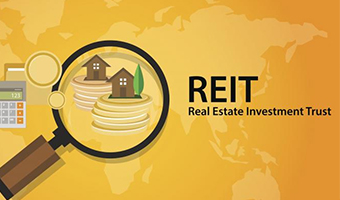
Investing in Real Estate with REITs: A Way to Enter the Market Without the Large Capital

Real estate can be one of the most lucrative investments, but for many, the barrier to entry is high. Buying a property outright requires a significant amount of capital, making it difficult for many to begin investing in the market. Fortunately, there’s an alternative way to invest in real estate without needing a large lump sum of money: Real Estate Investment Trusts (REITs).

What is a REIT?

A Real Estate Investment Trust (REIT) is a company that owns, finances, or manages real estate properties. REITs make money through the income generated by these properties, whether it’s from rent or mortgage interest. By law, REITs are required to distribute at least 90% of their taxable income to shareholders as dividends, which makes them attractive to income-seeking investors.

The unique structure of REITs allows them to avoid paying corporate taxes, which means they can reinvest more money into their real estate holdings and distribute higher dividends to shareholders. This makes REITs an excellent option for investors looking to generate income without having to manage properties themselves.

Types of REITs

There are two main types of REITs: equity REITs and mortgage REITs.

  • Equity REITs: These REITs own and operate income-producing real estate, such as apartment buildings, shopping centers, office buildings, and more. They make money by collecting rent from tenants and occasionally selling properties for a profit.
  • Mortgage REITs (mREITs): Instead of owning properties, mortgage REITs provide financing for real estate. They invest in mortgages or mortgage-backed securities, earning income through the interest on loans or by purchasing securities that generate regular payments.

Public, Non-Traded, and Private REITs

REITs can be categorized based on their trading status:

  • Publicly Traded REITs: These REITs are listed on major stock exchanges and can be bought and sold just like stocks. They offer liquidity and transparency, as they are required to file regular reports with the SEC.
  • Non-Traded Public REITs: These REITs are registered with the SEC but do not trade on stock exchanges. They are still available to the public, but they offer less liquidity and can come with higher fees.
  • Private REITs: These REITs are not publicly traded or registered with the SEC. They are typically only available to accredited investors and are more difficult to sell or value. Private REITs tend to be more opaque in terms of financial disclosures.

Benefits of Investing in REITs

  1. Income Generation: REITs typically offer high dividend yields, as they are required to distribute most of their taxable income to shareholders. This makes them a great option for investors seeking regular income from their investments.
  2. Diversification: Investing in a REIT allows you to gain exposure to a diverse range of real estate assets without having to own individual properties. REITs typically hold multiple properties across different geographic locations and sectors, reducing your risk.
  3. Liquidity: Publicly traded REITs can be bought and sold easily, giving you the flexibility to exit your investment if necessary. This makes them a more liquid option compared to direct property investments.
  4. No Property Management: One of the challenges of investing in real estate is the time and effort required to manage the property. With REITs, the company handles the day-to-day management of properties, so you don’t have to deal with tenants or repairs.
  5. Access to Real Estate Without a Large Investment: You don’t need a large sum of money to invest in real estate with REITs. You can start investing with a relatively small amount of capital, making real estate accessible to more people.

Risks of Investing in REITs

While REITs offer a number of benefits, they also come with risks:

  1. Market Volatility: Like stocks, publicly traded REITs are subject to market fluctuations. If the stock market takes a downturn, your REIT investment could lose value.
  2. Debt Levels: REITs often operate with high levels of debt, and if they’re unable to manage their debt effectively, it could affect their ability to pay dividends and grow their portfolios.
  3. Interest Rate Sensitivity: Rising interest rates can negatively impact REITs, as they increase borrowing costs and reduce the value of existing properties. This can lead to lower dividends and stock prices.
  4. Unsustainable Dividends: Some REITs may offer high dividend yields, but if the company is not able to sustain these payouts, they may be forced to cut dividends, which can negatively impact the stock price.
  5. Governance Issues: Non-traded and private REITs may not have the same level of oversight as publicly traded REITs, which could lead to issues with management or transparency.

How to Invest in REITs

Investing in REITs is relatively simple, especially with publicly traded REITs. All you need is a brokerage account, and you can buy shares just like any other stock. There are also REIT ETFs available, which allow you to invest in a portfolio of REITs, further diversifying your investment.

Many 401(k) plans offer REIT options as well, so you may be able to allocate a portion of your retirement contributions to a REIT fund.

Should You Invest in REITs?

REITs can be a great way to diversify your portfolio and add exposure to the real estate market without the need for substantial capital. However, it’s important to assess your risk tolerance and investment goals before diving in. While REITs can provide steady income and long-term growth, they also come with their own set of risks.

Before investing in REITs, be sure to consult with a financial advisor to determine how they fit into your overall investment strategy. With the right approach, REITs can be a valuable addition to your portfolio and provide long-term benefits.

If you’re considering a move or investment and require a trusted Real Estate Broker, we’re here to assist you. Contact us via email at TEAM@McDanielCallahan.com, complete the form below, or give us a call at 925-838-4300. We are ready to provide expert guidance and support for all your real estate needs. Terry McDaniel DRE License #00941526

Go back

Your message has been sent

Warning
Warning
Warning
Warning.

Think Long-Term: Research Tips for Buying a Home

Buying a house is one of the most significant investments you’ll ever make. While it’s exciting to imagine making your new house a home, it’s also essential to think long-term. Your first home might not be your forever home, so taking a strategic approach to your purchase can set you up for success when it’s time to move on.

Here are some key tips to keep in mind when researching your potential new home:

1. Understand the Local Market

Dive into the real estate trends in the area where you’re looking to buy. Are home prices trending upward or downward? A neighborhood where property values are increasing indicates strong potential for resale value.

Also, research the local economy. Are new businesses opening, or are stores closing their doors? An area with a thriving economy and job opportunities is likely to attract future buyers and keep your home’s value stable or growing.

2. Stay in the Lower Price Range

When purchasing a home, aim for the lower end of your neighborhood’s price range. This gives your property room to grow in value without overpricing yourself compared to your neighbors. Buying the most expensive house on the block can make it harder to recoup your investment later.

3. Check the Resale Potential

Consider how appealing your home will be to future buyers. Features like good schools, proximity to amenities, and convenient transportation options often boost a property’s value. Even if these things aren’t your top priority now, they could matter when it’s time to sell.

4. Think About Maintenance and Longevity

Look at the long-term maintenance costs of the home you’re considering. Is the roof in good condition? What about the HVAC system or plumbing? These factors can influence not only your living experience but also your ability to resell later.

5. Plan for Your Next Steps

When buying a home, thinking long-term can help ensure your purchase is not just a place to live but also a solid investment. By understanding the market, planning for resale, and evaluating the home’s potential, you’ll be setting yourself up for success—whether it’s your first home or the foundation for your next chapter.

Take your time, do your homework, and remember: the right home is one that works for you today and tomorrow.

If you’re considering a move or investment and require a trusted Real Estate Broker, we’re here to assist you. Contact us via email at TEAM@McDanielCallahan.com, complete the form below, or give us a call at 925-838-4300. We are ready to provide expert guidance and support for all your real estate needs. Terry McDaniel DRE License #00941526

Go back

Your message has been sent

Warning
Warning
Warning
Warning.

Tip for Selling Your House: Don’t Hide Major Repairs

When it comes to selling your house, honesty really is the best policy—especially when it comes to major repairs. You might be tempted to hide issues like roof leaks or pest problems, thinking they won’t be noticed, but trust me, it’s a bad move.

Here’s the thing: buyers usually have a home inspection done after they accept your offer. Any hidden issues you tried to cover up are almost certainly going to come to light. Whether it’s a leak in the attic or a mold issue in the basement, these problems will pop up eventually and may even derail the sale or lead to costly negotiations down the line.

Instead of hiding issues, be upfront about them from the get-go. Buyers appreciate transparency, and it can actually make the process smoother for everyone involved. If you’re honest about the condition of the home, buyers might still proceed with the purchase but can adjust their offer accordingly or be prepared to handle the repairs themselves.

This upfront approach builds trust and sets realistic expectations. Plus, being transparent means you’re less likely to waste your time on potential buyers who may back out once they find issues you tried to cover up.

In the long run, honesty doesn’t just save you from trouble—it can also save you from a lot of unnecessary stress. So, when it comes to major repairs, don’t hide them. It’s better to address them early on and keep the process smooth and transparent.

Honesty is Key in the Home Selling Process!

If you’re considering a move or investment and require a trusted Real Estate Broker, we’re here to assist you. Contact us via email at TEAM@McDanielCallahan.com, complete the form below, or give us a call at 925-838-4300. We are ready to provide expert guidance and support for all your real estate needs. Terry McDaniel DRE License #00941526

Go back

Your message has been sent

Warning
Warning
Warning
Warning.

Are Schools Important to You? Here’s What to Consider When Choosing Where to Live

When searching for your next home, schools are a significant factor for many families, whether or not they currently have school-age children. Strong school districts often contribute to higher property values and vibrant communities. Here are three things to consider when evaluating schools in an area:

1. School Performance and Ratings

Look up local schools’ performance metrics through resources like state education websites or platforms such as GreatSchools.org. Consider test scores, graduation rates, and student-to-teacher ratios. These indicators can give you a snapshot of how well schools are meeting educational benchmarks. Have you heard any recent positive news about schools in your prospective neighborhood? Awards, academic achievements, or new programs could indicate a thriving district.

2. Community Engagement and Extracurriculars

A school isn’t just about academics. Check if schools offer arts, sports, and STEM programs, and how actively parents and the community are involved. Schools with robust extracurricular activities often foster a strong sense of community and well-rounded student experiences.

3. Future-Proofing Your Investment

Even if you don’t have children, buying in an area with good schools can positively impact your home’s resale value. Buyers with families will prioritize properties in reputable school districts, making your investment more attractive down the line.

Ultimately, the quality of area schools plays a vital role in shaping your experience in a new neighborhood. Take the time to visit schools, talk to locals, and do your research

If you’re considering a move or investment and require a trusted Real Estate Broker, we’re here to assist you. Contact us via email at TEAM@McDanielCallahan.com, complete the form below, or give us a call at 925-838-4300. We are ready to provide expert guidance and support for all your real estate needs. Terry McDaniel DRE License #00941526

Go back

Your message has been sent

Warning
Warning
Warning
Warning.

Is Selling Your Home Yourself Really Saving You Money?

Thinking about selling your home yourself to save some cash? It’s a tempting idea, but let’s take a closer look at the numbers. According to the National Association of Realtors (NAR), homes sold with the help of a real estate agent typically sell for $60,000 more on average than homes sold as For Sale By Owner (FSBO). That’s not just pocket change—it’s a game-changer.

So, what makes the difference? First and foremost, exposure. Real estate agents have access to the Multiple Listing Service (MLS), a tool that gets your home in front of thousands of qualified buyers. Sure, you could post some flyers or list on a few websites, but the reach just isn’t the same.

Next, consider their expertise. Selling a home involves more than snapping a few photos and setting a price. Agents handle complex negotiations, pricing strategies, and legal paperwork. They’ve likely sold dozens (if not hundreds) of homes, which means they know how to maximize your profit while minimizing headaches.

Going FSBO might seem like a cost-saving move, but when you factor in potential underpricing, limited exposure, and the time it takes to manage the sale, hiring a professional often pays off. Before you decide, weigh the true costs and benefits.

Ready to explore your options? Contact a trusted real estate agent to discuss how they can help you achieve top dollar for your home.

If you’re considering a move or investment and require a trusted Real Estate Broker, we’re here to assist you. Contact us via email at TEAM@McDanielCallahan.com, complete the form below, or give us a call at 925-838-4300. We are ready to provide expert guidance and support for all your real estate needs. Terry McDaniel DRE License #00941526

Go back

Your message has been sent

Warning
Warning
Warning
Warning.