

Navigating Second-Home Buying and Vacation Rentals: Essential Tips for Real Estate Professionals

As the demand for second homes and vacation rentals continues to rise, real estate professionals need to be well-versed in the unique challenges and opportunities these markets present. From understanding local regulations to optimizing your marketing strategy, here’s how you can effectively guide clients through the process of buying or renting second homes.

1. Stay Informed on Local Regulations

For those interested in short-term rentals like Airbnb or VRBO, it’s essential to stay on top of local government regulations. Different areas have varying rules about short-term rentals, and knowing these regulations can save your clients from legal troubles. Be proactive in understanding restrictions and helping your clients navigate them to ensure their property complies with local laws.

2. Furnishings Matter

When dealing with vacation rentals, it’s crucial to choose furniture that balances durability with cost-effectiveness. Vacation homes often see a lot of wear and tear, so opting for inexpensive, sturdy furnishings can be more practical than investing in high-end pieces. Focus on high-use items like mattresses, pillows, and sheets, as these significantly impact guest comfort and reviews. Good reviews are vital for maintaining a successful rental property, so ensuring quality in these areas can pay off.

3. Leverage Your Negotiation Skills

Effective negotiation can make a significant difference for your clients, especially when purchasing a second home or vacation property. If a property has drawbacks, such as being far from amenities, use your negotiation skills to secure added benefits, like including appliances in the deal. This approach can help offset potential negatives and make the property more appealing.

4. Adjust Your Marketing Strategy

Attracting second-home buyers requires a tailored marketing approach. Develop a brand that resonates with this specific audience and ensure your online presence reflects your expertise. Utilize tools like realtor.com® to understand who is searching for properties in your market, including international buyers. If your market attracts global clients, familiarize yourself with various communication technologies like Zoom or Skype and ensure your internet connection is secure.

5. Understand Financial and Legal Considerations

Enhance your financial literacy to provide valuable guidance to second-home buyers. Partner with lenders who specialize in financing second homes and understand the associated guidelines. Be cautious about offering tax advice, as secondary properties can involve complex tax issues. It’s crucial to partner with tax professionals who can offer expert advice to your clients. Also, ensure you understand and adhere to SEC guidelines and data protection laws, particularly when working with international buyers.

6. Be Patient and Realistic

Second-home buyers often have specific needs and may not be in a rush to make a purchase. It’s important to be patient and manage their expectations realistically. Help them understand that no property will have everything they want, but with the right approach, they can find a home that meets their needs and desires.

Navigating the second-home and vacation rental markets requires a blend of knowledge, strategic marketing, and effective negotiation. By staying informed about local regulations, choosing the right furnishings, and understanding financial and legal considerations, you can better serve your clients and help them achieve their real estate goals. Your expertise and attention to detail will be invaluable in guiding them through the complexities of buying or renting a second home.

If you’re considering a move or investment and require a trusted Real Estate Broker, we’re here to assist you. Contact us via email at TEAM@McDanielCallahan.com, complete the form below, or give us a call at 925-838-4300. We are ready to provide expert guidance and support for all your real estate needs. Terry McDaniel DRE License #00941526

← Back

Thank you for your response. ✨

Why You Should Check Multiple Real Estate Sites When Buying a Home

The process of buying a home has become more accessible thanks to online real estate platforms like Zillow, Redfin, and Trulia. However, relying on a single site might not provide the comprehensive information you need to make an informed decision. Each platform offers unique features and insights, making it beneficial to explore multiple sources. Here are several key features offered by different real estate listing sites and why you should utilize them to ensure you make the best possible decision when buying a home.

1. Calculate the Monthly Cost

According to Zillow’s Consumer Housing Trends Report, 84% of buyers prioritize affordability. Zillow’s BuyAbility app offers personalized estimates for home prices and monthly payments, taking into account factors like credit score, making it more accurate than generic mortgage calculators.

2. Understand Climate Conditions

Redfin and Realtor.com provide valuable insights into climate risks such as fire, flood, or extreme heat in the area. This information, drawn from Risk Factor, helps you understand potential natural disaster risks and their impact on home insurance costs.

3. Review Local Legal Protections

Zillow provides an overview of state-specific legal protections related to housing, employment, and public accommodations. This can inform potential buyers of any laws they might be unaware of and empower them to protect their rights during the home-buying process.

4. See Market Trends

Redfin’s market competition calculator gives a score indicating how competitive a home’s market is. It provides data on typical home prices, how quickly homes sell, and more, helping buyers set realistic expectations and formulate compelling offers.

5. Explore Street View

Street view features on Redfin, Zillow, and Homes.com use Google Maps to let you virtually explore the neighborhood. This is particularly useful if you can’t visit the home in person.

6. Check Your Commute Travel Time

Zillow and Realtor.com offer commute time features that provide accurate travel estimates based on distance and traffic patterns. This helps you assess whether a home’s location is practical for your daily commute.

7. See a Rental Income Estimate

For buyers interested in rental properties, Redfin’s “Rental Earnings” widget offers estimates of potential rental income based on similar local listings. This can help investors gauge a property’s rental potential and necessary updates.

8. Read What Locals Say

Trulia’s “What Locals Say” feature collects feedback from residents about neighborhood qualities like safety and dog-friendliness, providing valuable insights into what it’s like to live there.

9. Check the Noise Levels

Homes.com and Realtor.com feature sound scores indicating the level and type of noise near a home. This is crucial for understanding potential disturbances that might not be evident during a tour.

10. Find Walkable Spots

Realtor.com’s location scores highlight the walking distances to amenities like grocery stores and restaurants. They also provide cycling access details, offering a comprehensive view of the area’s transportation options.

11. View the Home in 3D

Many platforms, including Zillow, Realtor.com, Trulia, Homes.com, and Redfin, offer 3D home tours and interactive floor plans. These virtual tours provide a detailed understanding of a home’s layout and features, which is critical for making an informed decision.

12. Get a Popularity Estimate

Trulia’s feature estimates how quickly a home will sell based on data from nearby property sales and listing engagement. This can help you act quickly to secure your dream home in a competitive market.

Exploring multiple real estate listing sites provides a more comprehensive understanding of a property and its surrounding area. From calculating costs and understanding climate risks to reviewing legal protections and exploring market trends, each platform offers unique insights that contribute to making the best-informed decision.

https://www.bobvila.com/articles/different-info-on-real-estate-listing-sites/

If you’re considering a move or investment and require a trusted Real Estate Broker, we’re here to assist you. Contact us via email at TEAM@McDanielCallahan.com, complete the form below, or give us a call at 925-838-4300. We are ready to provide expert guidance and support for all your real estate needs. Terry McDaniel DRE License #00941526

← Back

Thank you for your response. ✨

Checklist for First-Time Home Buyers: Know What You’re Looking For

Embarking on the journey to buy your first home is an exciting milestone. However, without proper preparation, it can also be overwhelming. Before you start looking at homes with your agent, it’s crucial to know what you’re actually looking for. This comprehensive checklist for first-time home buyers will guide you through the initial steps, ensuring a smoother and more focused home-buying experience.

1. Define Your Budget

Assess Your Finances:

  • Review your savings, income, and current expenses to determine how much you can afford for a down payment and monthly mortgage payments.

Get Pre-Approved for a Mortgage:

  • Contact lenders to get pre-approved for a mortgage. This not only gives you a clear picture of your budget but also shows sellers that you’re a serious buyer.

Factor in Additional Costs:

  • Remember to include other expenses such as property taxes, insurance, maintenance, and potential homeowners association (HOA) fees.

2. Identify Your Must-Haves

Location Preferences:

  • Consider proximity to work, schools, public transportation, and amenities like parks, shopping centers, and hospitals.

Home Type:

  • Decide whether you prefer a single-family home, townhouse, condo, or multi-family home based on your lifestyle and needs.

Size and Layout:

  • Determine the number of bedrooms and bathrooms you need. Think about the layout and features that are important to you, such as a large kitchen, open floor plan, or backyard.

3. Research Neighborhoods

Safety and Community:

  • Research crime rates and neighborhood safety. Look for community features that are important to you, such as parks, recreational facilities, and community events.

School Districts:

  • If you have children or plan to in the future, investigate the quality of the local school districts.

Future Development:

  • Check for any planned developments in the area that might affect property values or your quality of life.

4. Make a Wish List

Prioritize Features:

  • Create a wish list of features you’d love in your new home, such as a garage, fireplace, pool, or energy-efficient appliances.

Rank Your Preferences:

  • Rank these features by importance. Understand that while it’s great to have everything on your list, being flexible can help you find a home that meets your most critical needs within your budget.

5. Understand the Market

Current Market Conditions:

  • Research the current real estate market in your desired area. Are homes selling quickly? Are prices rising or stable?

Work with Your Agent:

  • Discuss market trends with your real estate agent. Their expertise can provide insights and help you set realistic expectations.

6. Prepare for House Hunting

Schedule Viewings:

  • Once you have a clear idea of what you’re looking for, start scheduling viewings with your agent. Be prepared to move quickly if you find a home that meets your criteria.

Take Notes:

  • During viewings, take detailed notes and photos. This will help you remember the details of each property and compare them later.

Ask Questions:

  • Don’t hesitate to ask your agent or the seller any questions you have about the property, neighborhood, or the home-buying process.

7. Evaluate and Make Decisions

Review Your Options:

  • After viewing several homes, review your notes and compare the properties based on your must-haves, budget, and overall impression.

Be Ready to Negotiate:

  • When you find the right home, be prepared to make an offer. Your agent will help you negotiate terms and navigate the offer process.

Think Long-Term:

  • Consider your long-term plans and how the home fits into them. Is it a place you can see yourself living in for the next 5-10 years?

Buying your first home is a significant life event that requires careful planning and preparation. By following this checklist, you can clarify your priorities, streamline your search, and ultimately find a home that meets your needs and budget. With the right approach and a clear understanding of what you’re looking for, your home-buying journey can be both enjoyable and successful.

If you’re considering a move or investment and require a trusted Real Estate Broker, we’re here to assist you. Contact us via email at TEAM@McDanielCallahan.com, complete the form below, or give us a call at 925-838-4300. We are ready to provide expert guidance and support for all your real estate needs. Terry McDaniel DRE License #00941526

← Back

Thank you for your response. ✨

4 Easy Ways to Stage Your Home Yourself with Little Cost

Staging your home effectively can significantly boost its appeal to potential buyers, but it doesn’t have to be expensive. Here are four simple, budget-friendly tips to help you showcase your home at its best:

1. Brighten with Light Curtains

Replace heavy, dark curtains with light-colored ones to allow more natural light into your rooms. Bright, airy spaces are more inviting and can make your home feel larger and more welcoming.

2. Declutter and Hide Cables

Clear away visible clutter, including unsightly items like routers and cables. A tidy, organized space allows potential buyers to imagine themselves living in your home without distractions.

3. Update Cabinet Hardware

Modernize your kitchen and bathroom by replacing old cabinet knobs and handles with new, stylish ones. This small change can give these areas a fresh, updated look without a major renovation.

4. Use Mirrors to Enhance Space

Strategically place mirrors to reflect light and make small rooms appear larger. Mirrors can add depth and brightness, creating a more open and spacious feel.

By following these easy and cost-effective tips, you can enhance your home’s appeal and make a lasting impression on potential buyers. Small changes can lead to big results!

If you’re considering a move or investment and require a trusted Real Estate Broker, we’re here to assist you. Contact us via email at TEAM@McDanielCallahan.com, complete the form below, or give us a call at 925-838-4300. We are ready to provide expert guidance and support for all your real estate needs. Terry McDaniel DRE License #00941526

← Back

Thank you for your response. ✨

Home Sellers Adjust Asking Prices Amid Rising Median Sale Prices

The real estate market is currently in a state of flux, with more home sellers cutting their asking prices, suggesting that the rapid growth in sale prices may soon decelerate. However, despite these adjustments, the median sale price has hit a new record high, further complicating the landscape for prospective buyers.

Price Adjustments and Inventory Insights

Nationwide, 6.4% of home sellers reduced their asking prices during the four weeks ending May 26, the highest percentage since November 2022. In the last week alone, the median asking price dropped by approximately $3,000 to $416,623, marking the first decline in six months. Concurrently, the age of inventory—measured by the number of days listings remain active—has started to rise year over year, reaching a median of 46 days. This stagnation in inventory suggests that the pace of sale-price growth could slow in the coming months as high mortgage rates deter potential buyers.

Despite these trends, the median home sale price continues to climb, up 4.3% year over year to a new record high. It’s important to note that sale prices are a lagging indicator, often reflecting negotiations made at least a month before closing.

Mortgage Rates and Buyer Impact

There is a slight respite for homebuyers this week. The typical monthly housing payment has dropped to $2,812, the lowest level in six weeks. This decrease is attributed to a dip in mortgage rates, which have fallen below 7% for the first time since early April, with the current weekly average rate at 6.94%. However, this relief may be short-lived as daily average rates began to rise again after recent disappointing treasury auctions.

High housing costs continue to dampen demand. Pending sales have decreased by 3.4% year over year, consistent with recent monthly declines. Additionally, mortgage-purchase applications are near their lowest level in six months. Low inventory remains a significant factor, as listing growth has been losing momentum, leaving buyers with fewer options than usual for this time of year.

Strategies for Prospective Buyers

Given the challenging market conditions, buyers are advised to remain flexible and open-minded. Here are some strategies to consider:

  1. Consider Outdated Single-Family Homes: These homes may not require major renovations and tend to stay on the market longer, potentially allowing buyers to purchase at the asking price without entering a bidding war.
  2. Explore Lesser-Known Neighborhoods: Homes in non-trendy areas often have less competition and may offer better deals.
  3. Look at Condos: Condos are currently less popular, and many are selling below the asking price. For buyers who can make do with less space, this could be an advantageous option.

The real estate market is undergoing notable shifts, with more sellers reducing their asking prices and inventory becoming more stagnant. While median sale prices continue to rise, the slowing growth and slight decrease in mortgage rates offer a mixed bag for prospective buyers. By staying adaptable and considering less competitive options, buyers can navigate this complex market and find opportunities that align with their needs and budgets.

If you’re considering a move or investment and require a trusted Real Estate Broker, we’re here to assist you. Contact us via email at TEAM@McDanielCallahan.com, complete the form below, or give us a call at 925-838-4300. We are ready to provide expert guidance and support for all your real estate needs. Terry McDaniel DRE License #00941526

← Back

Thank you for your response. ✨

Living the Good Life in Orinda, CA: A Guide

In the hills of Contra Costa County, Orinda, California, offers residents a blend of natural beauty, top-rated schools, and a thriving community. From its strong real estate market to its vibrant economy and abundant recreational opportunities, there’s something for everyone in this charming town.

Real Estate

Orinda’s real estate market is characterized by its picturesque homes, lush landscapes, and serene neighborhoods. From spacious single-family residences to luxury estates, there’s a diverse range of housing options to suit different lifestyles and preferences. With its prime location and strong property values, Orinda is a highly desirable place to live.

Economy

Orinda boasts a robust economy supported by a mix of local businesses, shops, and services. Residents enjoy easy access to nearby job centers in Oakland, Walnut Creek, and San Francisco, making it an attractive commuter town. The town’s commitment to supporting small businesses adds to its economic vibrancy and community spirit.

Schools

Families are drawn to Orinda for its exceptional public schools, which consistently rank among the best in the state. The Orinda Union School District and Acalanes Union High School District oversee a network of top-rated schools known for their academic excellence, dedicated teachers, and strong parent involvement. Education is a top priority in Orinda, making it an ideal place to raise a family.

Things to Do

In addition to its natural beauty and excellent schools, Orinda offers a variety of recreational activities for residents to enjoy. The town is home to numerous parks, hiking trails, and outdoor spaces, including the popular Briones Regional Park and Tilden Regional Park. Residents can also explore the vibrant downtown area, which features shops, restaurants, and cultural attractions.

Cultural Attractions

Orinda is known for its thriving arts scene, with several cultural attractions and events throughout the year. The Orinda Theatre hosts film screenings, live performances, and community events, while the Orinda Library offers a wide range of programs and activities for all ages. Residents can also enjoy outdoor concerts, art exhibits, and theater productions in the town’s scenic surroundings.

Living in Orinda, CA, offers the perfect combination of natural beauty, strong schools, and a vibrant community. With its picturesque homes, thriving economy, top-rated schools, and abundance of recreational opportunities, it’s no wonder why residents love calling this town home. Whether you’re exploring the trails, supporting local businesses, or enjoying cultural attractions, Orinda has something for everyone to enjoy.

Search Orinda homes here: https://myre.io/0c99JlXa1dQj

If you’re considering a move or investment and require a trusted Real Estate Broker, we’re here to assist you. Contact us via email at TEAM@McDanielCallahan.com, complete the form below, or give us a call at 925-838-4300. We are ready to provide expert guidance and support for all your real estate needs. Terry McDaniel DRE License #00941526

← Back

Thank you for your response. ✨

The Value of Views: How Scenic Vistas Boost Home Prices

Imagine waking up to the sight of rolling mountains, a serene lake, or a lush golf course right outside your window. Views like these evoke feelings of tranquility and beauty, but do they also enhance the value of your home? Let’s see the impact of scenic vistas on property prices and whether investing in a home with a view is worth it.

  1. Ocean, Mountains, and Lakes: The Allure of Nature’s Majesty Studies show that homes with waterfront views command premium prices. According to research conducted by Redfin, properties with waterfront views can sell for up to 116% more than similar homes without such views [1]. Similarly, homes overlooking mountains or lakes often carry higher price tags due to their aesthetic appeal and recreational opportunities.
  2. Golf Courses and Open Spaces: Greenery and Serenity Living near a golf course or expansive open space offers more than just picturesque views; it also enhances property values. The National Association of Realtors reports that homes adjacent to golf courses can sell for 8% to 12% more than comparable properties [2]. Similarly, proximity to parks and greenbelts correlates with increased home prices, as buyers value the access to recreational amenities and the sense of spaciousness.
  3. Factors Influencing View Premiums Several factors influence the premium associated with scenic views, including the quality and visibility of the view, the scarcity of similar properties, and the overall desirability of the location. Additionally, views that offer privacy and tranquility tend to command higher premiums, as they enhance the homeowner’s quality of life and sense of well-being.

Investing in a home with a view can be a wise decision, not only for the visual appeal but also for the potential increase in property value. Whether it’s an oceanfront retreat, a mountain vista, or a golf course haven, scenic views add a touch of luxury and serenity to any home. As you weigh your options, consider the long-term benefits of owning a property with a view and the potential return on investment it may offer.

If you’re considering a move or investment and require a trusted Real Estate Broker, we’re here to assist you. Contact us via email at TEAM@McDanielCallahan.com, complete the form below, or give us a call at 925-838-4300. We are ready to provide expert guidance and support for all your real estate needs. Terry McDaniel DRE License #00941526

← Back

Thank you for your response. ✨

[1] Source: Redfin – https://www.redfin.com/blog/homes-with-waterfront-views-sell-for-116-more/ [2] Source: National Association of Realtors – https://www.nar.realtor/research-and-statistics/research-reports/nar-and-golf-special-report

Revealed: The Healthiest Cities in America – Is Your City on the List?

In a recent report by WalletHub, the healthiest and unhealthiest cities in the United States have been unveiled, shedding light on the factors that contribute to a healthy lifestyle. From access to healthcare to green spaces and healthy food options, these rankings provide valuable insights into the well-being of communities across the country. Let’s delve into the findings and see where cities in California stand on the list.

The Top Contenders: Topping the charts as the healthiest city in America is none other than San Francisco, California. With its abundance of hiking trails, healthy restaurants, and physically active adults, San Francisco sets the standard for promoting a healthy lifestyle. Not far behind is San Diego, ranking as the fourth healthiest city nationally and leading the pack in Southern California.

Factors Contributing to Health: WalletHub’s analysis considered a range of factors across four categories: healthcare, food, fitness, and green space. Metrics such as the cost of medical visits, fruit and vegetable consumption, and the availability of hiking trails were taken into account. These indicators provide a comprehensive overview of the factors that contribute to a community’s overall health and well-being.

The California Landscape: While cities like San Francisco and San Diego shine as beacons of health, other California cities also make a strong showing on the list. From Irvine to Los Angeles, Huntington Beach to Glendale, numerous cities in the Golden State are recognized for their commitment to promoting healthy living. However, not all cities fare as well, with Fontana ranking as the unhealthiest city in California.

Addressing Health Disparities: The report’s findings highlight the disparities in health outcomes across different regions and communities. While some cities boast ample resources and amenities to support healthy lifestyles, others struggle to provide access to healthcare and nutritious food options. Recognizing and addressing these disparities is essential for promoting health equity and ensuring that all individuals have the opportunity to thrive.

Moving Forward: As we reflect on the findings of WalletHub’s report, it’s essential to recognize that the pursuit of health is a collective endeavor. By fostering partnerships between government, businesses, healthcare providers, and community organizations, we can create environments that support healthy living for all residents. Whether it’s investing in infrastructure for physical activity, promoting access to fresh produce, or expanding healthcare coverage, there are countless opportunities to make positive changes that benefit our communities.

WalletHub’s latest report provides valuable insights into the healthiest and unhealthiest cities in America, offering a glimpse into the factors that shape our well-being. From San Francisco to San Diego and beyond, cities across California are leading the way in promoting healthy living. However, there is still work to be done to address disparities and ensure that everyone has the opportunity to live a healthy, fulfilling life. By working together, we can create healthier communities and build a brighter future for all.

If you’re considering a move or investment and require a trusted Real Estate Broker, we’re here to assist you. Contact us via email at TEAM@McDanielCallahan.com, complete the form below, or give us a call at 925-838-4300. We are ready to provide expert guidance and support for all your real estate needs. Terry McDaniel DRE License #00941526

← Back

Thank you for your response. ✨

https://wallethub.com/edu/healthiest-cities/31072

Navigating the Current Real Estate Landscape: Mortgage Rates, Spring Listings, and Buyer-Seller Dynamics

As we step into spring, the real estate market is abuzz with activity, driven by a complex interplay of factors ranging from mortgage rates to listing trends and buyer-seller dynamics. Let’s delve into the latest developments shaping the housing market and explore what homebuyers and sellers can expect in the coming months.

Mortgage Rate Movement

Following the Federal Reserve’s decision to maintain benchmark borrowing rates, mortgage rates saw a modest uptick, reaching an average of 6.87% for 30-year fixed loans. While this increase may give some pause, there’s optimism among homebuilders, buoyed by pent-up demand and expectations of future rate cuts by the Fed.

Spring Listings Surge

Spring has brought a surge in new listings, with a significant 17.8% year-over-year increase observed in sellers listing their homes. This influx of fresh listings injects much-needed inventory into the market, providing homebuyers with a wider array of options as they embark on their search for the perfect home.

Buyer-Seller Dynamics

Despite the influx of listings, buyer hesitation persists, largely influenced by the trajectory of mortgage rates. Some budget-conscious buyers may adopt a “wait and see” approach, monitoring rate movements before making a move. Sellers, on the other hand, are adjusting to market conditions by lowering asking prices to attract hesitant buyers.

Inventory Dynamics

While inventory levels have seen a notable increase compared to last year, they still remain below pre-pandemic levels. Total housing inventory is down nearly 40% compared to typical levels from 2017 to 2019. However, the surge in new home construction signals potential relief on the horizon, offering hope for increased supply in the months ahead.

Market Outlook

As we navigate the spring market, both buyers and sellers are gearing up for what lies ahead. While the rise in mortgage rates may pose challenges, the abundance of new listings and increased construction activity provide reasons for optimism. However, achieving market balance and affordability hinges on factors such as inflation trends and supply dynamics.

The current real estate landscape is characterized by a delicate balance of supply, demand, and economic indicators. While mortgage rate movements and listing trends may influence buyer-seller dynamics, the overarching goal remains the same: finding the perfect match between homebuyers and sellers in a dynamic and ever-evolving market.

As we embark on the spring buying and selling season, it’s essential for both parties to stay informed, adaptable, and proactive. By keeping a pulse on market trends and leveraging the expertise of real estate professionals, homebuyers and sellers can navigate the complexities of the market with confidence and clarity, ultimately achieving their real estate goals in the process.

If you’re considering a move or investment and require a trusted Real Estate Broker, we’re here to assist you. Contact us via email at TEAM@McDanielCallahan.com, complete the form below, or give us a call at 925-838-4300. We are ready to provide expert guidance and support for all your real estate needs. Terry McDaniel DRE License #00941526

← Back

Thank you for your response. ✨

https://www.realtor.com/news/trends/mortgate-rates-housing-statistics-week-ending-3-21-24

Understanding DTI: Managing Debt Expenses and Monthly House Payments in Relation to Gross Monthly Income

Debt-to-Income ratio (DTI) is a crucial financial metric that lenders use to assess your ability to manage your debts and take on additional financial obligations, such as a mortgage payment. In this blog post, we’ll delve into what DTI entails, how it’s calculated, and why it’s important when considering home ownership.

What is DTI?

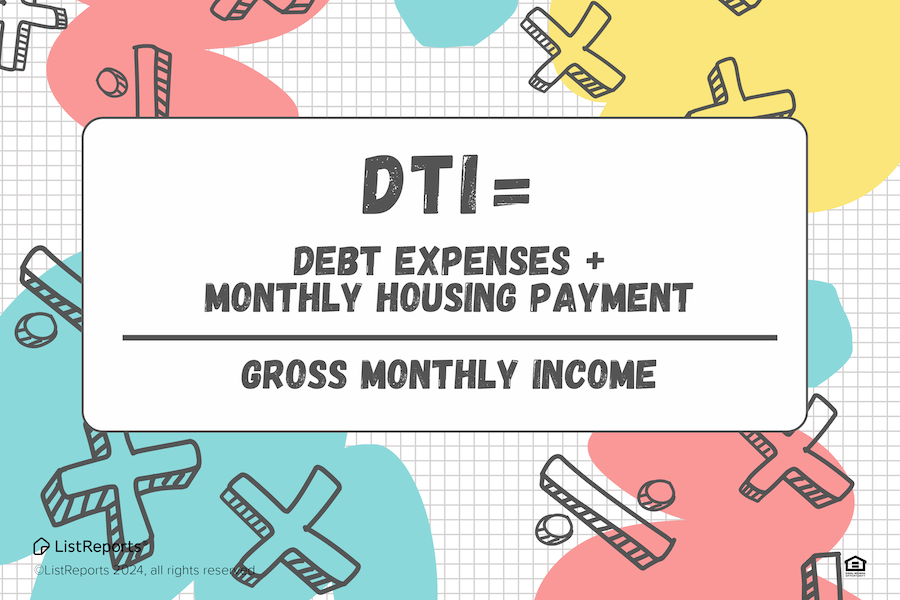
DTI represents the percentage of your gross monthly income that goes toward paying off your monthly debts, including housing expenses such as mortgage payments, property taxes, and homeowners insurance, as well as other debts like credit card bills, student loans, and car payments.

How is DTI Calculated?

To calculate your DTI, add up all your monthly debt payments and divide them by your gross monthly income. Then, multiply the result by 100 to get the percentage. For example, if your total monthly debt payments amount to $2,000 and your gross monthly income is $6,000, your DTI would be 33.33%.

Why is DTI Important for Homebuyers?

Lenders use DTI as a key factor in determining your eligibility for a mortgage loan. A lower DTI ratio indicates that you have more disposable income available to cover your monthly mortgage payments, making you a less risky borrower in the eyes of lenders. Conversely, a higher DTI ratio suggests that you may have difficulty managing additional debt, which could affect your ability to make timely mortgage payments.

How to Manage Your DTI When Buying a Home

  1. Assess Your Current Debt Situation: Take stock of all your existing debts and calculate your DTI to understand where you stand financially.
  2. Determine Your Budget: Based on your DTI and financial goals, establish a budget for your monthly housing expenses, including mortgage payments, property taxes, and insurance.
  3. Shop Within Your Means: When searching for a home, focus on properties that fit comfortably within your budget and DTI limits to avoid overextending yourself financially.
  4. Pay Down Debt: Consider paying off existing debts or consolidating them to lower your DTI ratio and improve your chances of qualifying for a mortgage loan with favorable terms.
  5. Increase Your Income: Explore opportunities to boost your income through side gigs, freelance work, or career advancement to reduce your DTI ratio and increase your borrowing capacity.

By understanding and managing your DTI ratio effectively, you can position yourself for successful home ownership while maintaining financial stability and security. Remember, a lower DTI not only improves your chances of qualifying for a mortgage but also ensures that you can comfortably afford your monthly housing expenses without undue financial strain.

If you’re considering a move or investment and require a trusted Real Estate Broker, we’re here to assist you. Contact us via email at TEAM@McDanielCallahan.com, complete the form below, or give us a call at 925-838-4300. We are ready to provide expert guidance and support for all your real estate needs. Terry McDaniel DRE License #00941526
← Back

Thank you for your response. ✨