
When Should You Pull Money Out of Your House to Pay for Renovations?

Homeownership comes with an ongoing list of updates, improvements, and repairs. One of the biggest questions homeowners face is: Should I pull money out of my house to pay for renovations?

The short answer: it depends on your goals.

When It Makes Sense

  • You’re Adding Value: If the renovation improves resale value (kitchen, bathroom, curb appeal, energy efficiency), using home equity can be a smart investment.
  • You Plan to Stay a While: If you’ll enjoy the upgrades for several years, the return isn’t just financial—it’s lifestyle too.
  • Rates Are Favorable: Tapping into your home’s equity with a home equity loan or HELOC makes more sense when interest rates are relatively low.

When to Think Twice

  • Cosmetic-Only Updates: If you’re borrowing just for short-term aesthetics, you might not see enough return to justify the cost.
  • Market Uncertainty: In a shifting market, over-investing can make it harder to recoup renovation costs.
  • Debt Load Concerns: If pulling equity would stretch your budget too thin, it’s worth reconsidering.

Before you borrow, talk with a trusted real estate professional. They can help you understand which renovations actually add value in your local market. What pays off in one neighborhood might not in another.

If you’re considering a move or investment and require a trusted Real Estate Broker, we’re here to assist you. Contact us via email at TEAM@McDanielCallahan.com, complete the form below, or give us a call at 925-838-4300. We are ready to provide expert guidance and support for all your real estate needs. Terry McDaniel DRE License #00941526

← Back

Thank you for your response. ✨

Where Would You Move If You Could Move Anywhere?

Have you ever daydreamed about where you’d move if there were no limits—no job ties, no family obligations, no financial constraints? As a realtor, I often ask clients this question, and it’s always fun to hear the answers. For some, it’s a sunny beach town. For others, it’s a quiet cabin in the mountains, a bustling city filled with opportunities, or even just a neighborhood across town that better fits their lifestyle.

Why does this question matter? Because it helps you understand what truly matters to you in a home. Maybe you long for more space, more walkability, or simply a better view. Even if you’re not moving tomorrow, reflecting on your “dream move” can highlight what’s missing in your current living situation and what you might want in your next home.

If you’re considering a move in the near future, start with that dream scenario. While you might not be able to have everything, knowing your “why” will make it easier to prioritize what’s most important. A home is more than just walls and a roof—it’s where your life unfolds.

So, where would you go if you could go anywhere? And, more importantly, why? That answer might be the first step in finding the home that truly fits you.

If you’re considering a move or investment and require a trusted Real Estate Broker, we’re here to assist you. Contact us via email at TEAM@McDanielCallahan.com, complete the form below, or give us a call at 925-838-4300. We are ready to provide expert guidance and support for all your real estate needs. Terry McDaniel DRE License #00941526

← Back

Thank you for your response. ✨

Why Sellers Should Google Their Address Before Listing

Nearly every buyer begins their home search online. That means your property’s digital presence plays a big role in shaping first impressions—and sometimes, what’s online doesn’t tell the whole story.

Before putting your home on the market, take a few minutes to Google your address. Here’s why it matters:

1. Double-Check Listing Details

Online platforms often pull information from tax records or outdated databases. If the number of bedrooms, bathrooms, or square footage is listed incorrectly, it could raise red flags for buyers. Luckily, many of these discrepancies are easy to fix once you catch them.

2. Compare Valuations

Many websites display an “estimated value” for your home, which buyers may see before they ever step inside. If the number is very different from your asking price, it could create confusion. Being aware of this allows you and your agent to prepare a clear explanation for buyers.

3. Check Street View Images

With mapping tools constantly capturing images of neighborhoods, the online street view of your home might be outdated. Maybe it shows your property before you renovated, painted, or added landscaping. If that’s the case, make sure your listing photos highlight the improvements so buyers see the most accurate picture.

A quick online search can help you catch outdated or incorrect information before buyers do. By being proactive, you ensure that what buyers find online aligns with the value and condition of your home. In today’s digital-first world, that small step can make a big difference.

If you’re considering a move or investment and require a trusted Real Estate Broker, we’re here to assist you. Contact us via email at TEAM@McDanielCallahan.com, complete the form below, or give us a call at 925-838-4300. We are ready to provide expert guidance and support for all your real estate needs. Terry McDaniel DRE License #00941526

← Back

Thank you for your response. ✨

What Does It Mean When a Seller Lowers the Price?

As a buyer, spotting a price reduction on a home can feel exciting—you may think you’ve just found a deal. But what does a price cut really mean, and why do sellers make this move?

Why Sellers Lower the Price

There are several reasons a seller might reduce the price of their home:

  • Overpricing at the Start: Sometimes sellers start too high, either because of emotions, unrealistic expectations, or advice they received early on. After little activity, they may need to adjust to attract buyers.
  • Market Feedback: If showings are slow or offers aren’t coming in, a price reduction is often a response to what the market is saying.
  • Motivation to Sell: Sellers may want or need to move quickly due to a job relocation, family situation, or financial considerations.

What Buyers Should Do

A price drop doesn’t automatically mean the home is now a bargain. Here’s how to approach it:

  • Do Your Research: Look at comparable sales (comps) in the area to see what similar homes have recently sold for. This ensures you’re paying fair market value.
  • Ask Why: Your agent can often find out the reason for the reduction. It may reveal useful insights about the seller’s motivation or flexibility.
  • Stay Objective: Don’t get swept up by the word “reduced.” Focus on whether the new price aligns with the home’s condition, location, and value.

A price reduction can be a great opportunity, but it’s not a guarantee of a “steal.” Always do your homework, rely on solid market data, and lean on your agent’s expertise to make the right move.

If you’re considering a move or investment and require a trusted Real Estate Broker, we’re here to assist you. Contact us via email at TEAM@McDanielCallahan.com, complete the form below, or give us a call at 925-838-4300. We are ready to provide expert guidance and support for all your real estate needs. Terry McDaniel DRE License #00941526

← Back

Thank you for your response. ✨

Budgeting for Ongoing Costs: The Hidden Side of Homeownership

When most buyers sit down to plan their home purchase, they focus on the big-ticket numbers — the price of the house, the down payment, and the monthly mortgage. But here’s the truth: those are only part of the story. Owning a home is a bit like owning a car — the purchase price gets you in the door, but the ongoing costs are what keep it running smoothly.

If you don’t plan for these recurring expenses, you may find yourself stretched thin down the road. Let’s talk about the big three (and a few extras) that should be in every homeowner’s budget.

1. Property Taxes

Your property taxes are not a one-and-done expense. They’re due every year, and they can change over time. A newly purchased home might have lower taxes based on the seller’s assessment, but after the county reassesses the property (often after a sale), your tax bill could go up.
Pro Tip: Ask your agent or lender for the current tax rate and check recent reassessments in the neighborhood so you can budget more accurately.

2. Homeowners Insurance

This is your safety net. It protects you against losses from fire, theft, certain natural disasters, and liability issues. Premiums vary based on the home’s value, location, age, and even your credit score.
Pro Tip: Get a quote early in your home search and factor it into your monthly costs. Also, shop around — not all policies are created equal.

3. Maintenance & Repairs

Even brand-new homes need maintenance — think HVAC servicing, gutter cleaning, landscaping, and pest control. And let’s be honest, older homes will have more wear-and-tear surprises. A good rule of thumb is to set aside 1–3% of your home’s purchase price each year for maintenance.
Pro Tip: Start a dedicated home maintenance fund so you’re ready for the day your water heater decides to quit mid-shower.

Don’t Forget the Extras

  • HOA fees (if applicable)
  • Utility bills (which might be higher than you expect if moving from an apartment)
  • Upgrades and improvements (because no one buys a home and never changes a thing)

A smart homebuyer isn’t just thinking about the mortgage — they’re looking at the total cost of ownership. By factoring in property taxes, insurance, and maintenance from the start, you’ll protect your budget, avoid nasty surprises, and truly enjoy the home you worked so hard to buy.

If you’re considering a move or investment and require a trusted Real Estate Broker, we’re here to assist you. Contact us via email at TEAM@McDanielCallahan.com, complete the form below, or give us a call at 925-838-4300. We are ready to provide expert guidance and support for all your real estate needs. Terry McDaniel DRE License #00941526

← Back

Thank you for your response. ✨

Buying a Home? Focus on What Works for YOU—Not Just the Hype

When you’re touring homes, it’s easy to get caught up in the excitement—and even easier to get swept away by a real estate agent’s enthusiastic pitch. Most agents are honest professionals, but sometimes the description of a home can lean a little… optimistic. That “cozy” bedroom? It might mean small. “Open concept”? Could mean there’s less storage.

The truth is, the person who has to live in the home is you—not your agent, not the seller, and not the person who wrote the listing description. That’s why your evaluation needs to go deeper than the sales pitch.

3 Tips for Evaluating a Home Beyond the Hype

  1. Use All Your Senses
    Don’t just look—listen for traffic noise, sniff for any musty odors, and notice how the house feels in terms of light and airflow.
  2. Think About Your Daily Life
    Picture where you’ll put the coffee maker, how you’ll get laundry done, or where the kids will do homework. A home might look great during a showing, but will it work for your everyday routine?
  3. Verify, Don’t Assume
    If the agent says “brand-new roof,” ask for documentation. If they say “updated electrical,” check the inspection report.

A house can be beautiful on the surface but still not be your home. Take the time to evaluate what works best for you and your lifestyle—not just what sounds good in the listing.

Because when the moving boxes are unpacked and the hype fades, you’ll want to be confident you chose the right place for the right reasons.

If you’re considering a move or investment and require a trusted Real Estate Broker, we’re here to assist you. Contact us via email at TEAM@McDanielCallahan.com, complete the form below, or give us a call at 925-838-4300. We are ready to provide expert guidance and support for all your real estate needs. Terry McDaniel DRE License #00941526

← Back

Thank you for your response. ✨

Don’t Forget These Overlooked Safety Features Before Listing Your Home

Look, I know prepping your house for the market can feel overwhelming. Between sprucing up your curb appeal and staging your living room like it’s straight out of an HGTV marathon, it’s easy to forget the unglamorous—but crucial—stuff.

Let me put it this way: buyers want a home that feels like a dream, but it better not come with the potential for nightmares. So before you schedule that open house or post your “For Sale” sign on Instagram, take five to make sure these three safety essentials are squared away.

1. Carbon Monoxide Detectors

Ah, carbon monoxide—the silent ninja of household hazards. You can’t see it, you can’t smell it, and you definitely don’t want it making a guest appearance at your home inspection.

Most states require carbon monoxide detectors outside sleeping areas. But even if your state’s laws are a little behind the times, inspectors and buyers still expect to see them. It’s like showing up to a wedding in flip-flops—it might not be illegal, but it’s definitely frowned upon.

Combo smoke/CO detectors are like the Swiss Army knife of home safety. One device, two problems solved. Plus, it just looks cleaner.

2. Smoke Detectors:

True story: I once toured a house where the smoke detector was hanging by one wire and chirping like it was auditioning for American Idol. Talk about a red flag.

Functional smoke detectors should be in every bedroom, hallway, and on every level of your home. And by “functional,” I mean ones that actually work—not the dusty unit you silenced with a broom handle three years ago during a burnt popcorn incident.

Quick Checklist:

  • Test each unit. Yes, press the button. No, it won’t explode.
  • Replace any that are more than 10 years old. They’ve served their time.
  • Use lithium batteries for less hassle and longer life. You’re welcome.

3. Strap That Water Heater

If you’re in California—or anywhere that the ground occasionally does the cha-cha—water heater strapping is the law. But even in less shaky regions, it’s still a smart move. An unstrapped water heater in an earthquake or strong jostle can cause water damage, gas leaks, and a massive headache.

Why This All Matters

You can have the prettiest throw pillows in town, but if your smoke detectors are dead and your water heater’s doing the limbo, buyers are going to notice. And inspectors? They’ll flag it faster than you can say, “Wait, I thought that was optional.”

Don’t just make your house look like a dream home—make sure it functions like one. A few inexpensive updates—carbon monoxide detectors, working smoke alarms, and a properly strapped water heater—can go a long way in showing buyers that you’ve taken care of the place.

And hey, if nothing else, your house won’t beep at you in the middle of the night anymore. That’s worth it alone.

If you’re considering a move or investment and require a trusted Real Estate Broker, we’re here to assist you. Contact us via email at TEAM@McDanielCallahan.com, complete the form below, or give us a call at 925-838-4300. We are ready to provide expert guidance and support for all your real estate needs. Terry McDaniel DRE License #00941526

← Back

Thank you for your response. ✨


Smart Home Upgrades Worth the Investment: A Realtor’s Guide for Sellers


When it comes to selling a home, not all upgrades are created equal. While granite countertops and new paint are great, today’s buyers are also looking for smart home features that boost convenience, efficiency, and security. If you’re thinking of listing your home, consider making these smart upgrades that are not only attractive to buyers but can also increase your home’s value.

1. Smart Thermostat

A smart thermostat like Nest or Ecobee allows homeowners to control heating and cooling from their phones—and buyers love the energy savings. According to industry data, homes with smart thermostats tend to sell faster and appeal to eco-conscious buyers looking for lower utility bills.

2. Smart Security Systems

From video doorbells to motion-sensing cameras, a smart security setup gives potential buyers peace of mind. It’s a small investment with big appeal—especially for families or people relocating to a new neighborhood.

3. Smart Lighting

Automated lighting systems can be controlled remotely or by voice. Not only do they offer convenience, but they also help save energy and improve home security when the house is empty.

4. Smart Locks

Keyless entry systems are a growing trend in home tech. A smart lock offers convenience and security, especially during home showings when multiple agents may need temporary access.

5. Smart Irrigation Systems

If you live in a region where lawn maintenance is a big deal, a smart sprinkler system that adapts to weather conditions is a thoughtful upgrade. Buyers appreciate low-maintenance, eco-friendly touches.

Why It Matters for Sellers

Buyers are increasingly tech-savvy and interested in homes that reflect modern living. While a smart home won’t double your home’s value, it can certainly make your property stand out in a competitive market. It sends a message that the home has been thoughtfully cared for and updated for convenience and efficiency.

Make sure you highlight these features in your listing description, and let your real estate agent know to mention them during showings. Sometimes, it’s the little conveniences that make the biggest impression.

If you’re considering a move or investment and require a trusted Real Estate Broker, we’re here to assist you. Contact us via email at TEAM@McDanielCallahan.com, complete the form below, or give us a call at 925-838-4300. We are ready to provide expert guidance and support for all your real estate needs. Terry McDaniel DRE License #00941526

← Back

Thank you for your response. ✨

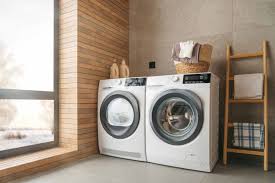
Should You Include Your Fridge, Washer & Dryer When You Sell Your House? Pros and Cons

When selling your home, one question that often comes up is: Should you leave your appliances—like the fridge, washer, and dryer—or take them with you?

There’s no one-size-fits-all answer, but there are pros and cons to both sides, and understanding them can help you make the best choice for your situation and your sale.

The Pros of Including Appliances in the Sale

✅ More Appealing to Buyers

Buyers love move-in-ready homes. Including the refrigerator, washer, and dryer can make your property more attractive, especially to first-time buyers who may not have their own.

✅ Stand Out in the Market

If competing homes don’t include appliances, your listing could have an edge. It’s a small incentive, but it could tip the scales.

✅ One Less Thing to Move

Let’s face it—appliances are heavy and a hassle to move. If your new place already has appliances or you’re planning to upgrade, leaving them behind can be a relief.

The Cons of Leaving Your Appliances

❌ Sentimental or High-End Appliances

If you’ve invested in a high-end washer or a fridge with all the bells and whistles, you might prefer to take them with you. Buyers may not value them as much as you do.

❌ Replacing Appliances Later

If your new home doesn’t have appliances, you’ll be on the hook for purchasing replacements, which can be expensive and time-consuming.

❌ Potential for Confusion

Not clearly outlining what stays and what goes can cause misunderstandings or closing delays. Always list included (and excluded) items in the purchase contract.

So, What’s the Best Choice?

Ask yourself:

  • Will including the appliances help sell my home faster?
  • Do I want/need to keep these appliances for my next place?
  • Are they in good condition and worth leaving as part of the deal?

If you’re working with a real estate agent (and you should be!), they can advise you based on your local market. In a seller’s market, you may not need to offer appliances as an incentive. In a buyer’s market, every added value counts.

Always be clear about what stays and what goes. Put it in writing in the listing and the contract. It’ll avoid confusion and protect both you and the buyer.

Need help deciding what to include when you sell your home? Let’s talk—we’re here to guide you every step of the way.

If you’re considering a move or investment and require a trusted Real Estate Broker, we’re here to assist you. Contact us via email at TEAM@McDanielCallahan.com, complete the form below, or give us a call at 925-838-4300. We are ready to provide expert guidance and support for all your real estate needs. Terry McDaniel DRE License #00941526
← Back

Thank you for your response. ✨

Buying New Construction? Here’s What to Know About Builder Incentives

New construction homes are attractive: brand-new appliances, modern finishes, and the joy of being the very first owner. But as you tour model homes, you might hear builders offer “incentives” to sweeten the deal. These can be tempting—but they also deserve a closer look.

So, what are builder incentives, and what should you watch out for?

What Are Builder Incentives?

Builder incentives are perks or discounts offered by home builders to encourage buyers to purchase one of their properties. These can include:

  • Closing cost assistance
  • Free or discounted upgrades (think granite countertops or premium flooring)
  • Interest rate buydowns through preferred lenders
  • Price reductions or bonus cash
  • Free appliances or landscaping packages

Builders often use these incentives to move inventory faster—especially at the end of a quarter or when they’re close to finishing a community.

The Upside: Why Incentives Can Be Great

If used wisely, incentives can save you money or allow you to add features that would otherwise stretch your budget. For example:

  • You might receive $10,000 in design center credits for choosing flooring, cabinets, or fixtures.
  • The builder might cover thousands in closing costs—reducing your out-of-pocket expenses.
  • You could lock in a lower interest rate if you go with the builder’s preferred lender.

What to Watch Out For

Not all incentives are created equal. Before you sign a contract, keep these points in mind:

1. Incentives May Be Tied to Specific Lenders

Many builders require you to use their preferred lender to get the full incentive. While this can be convenient, it’s smart to compare rates and terms with an outside lender—you may still get a better overall deal elsewhere.

2. The “Discount” May Already Be Priced In

That $20,000 price reduction? It could be a marketing tactic. Builders sometimes inflate prices to make incentives appear more generous. Your real estate agent can run a market comparison to ensure you’re getting a fair deal.

3. Upgrades Add Up Quickly

Design centers are full of beautiful options—and upcharges. Know what’s included in the base price vs. what’s considered an “upgrade,” and stick to your budget. Ask for a list of standard features.

4. Builder Contracts Favor the Builder

New construction contracts are different from resale transactions—and often heavily favor the builder. Have your agent review the terms with you, and don’t skip the fine print.

Builder incentives can be a great opportunity—if you know what you’re getting into. Always have a trusted real estate agent by your side during new construction purchases. They can help you negotiate, read between the lines, and make sure the “deal” is truly a deal.

Thinking about buying new construction? Let’s chat before you visit the model homes—I’ll help you navigate the process with clarity and confidence.

If you’re considering a move or investment and require a trusted Real Estate Broker, we’re here to assist you. Contact us via email at TEAM@McDanielCallahan.com, complete the form below, or give us a call at 925-838-4300. We are ready to provide expert guidance and support for all your real estate needs. Terry McDaniel DRE License #00941526

← Back

Thank you for your response. ✨