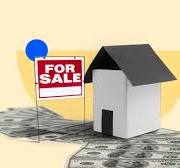
Is Selling Your Home Yourself Really Saving You Money?

Thinking about selling your home yourself to save some cash? It’s a tempting idea, but let’s take a closer look at the numbers. According to the National Association of Realtors (NAR), homes sold with the help of a real estate agent typically sell for $60,000 more on average than homes sold as For Sale By Owner (FSBO). That’s not just pocket change—it’s a game-changer.

So, what makes the difference? First and foremost, exposure. Real estate agents have access to the Multiple Listing Service (MLS), a tool that gets your home in front of thousands of qualified buyers. Sure, you could post some flyers or list on a few websites, but the reach just isn’t the same.

Next, consider their expertise. Selling a home involves more than snapping a few photos and setting a price. Agents handle complex negotiations, pricing strategies, and legal paperwork. They’ve likely sold dozens (if not hundreds) of homes, which means they know how to maximize your profit while minimizing headaches.

Going FSBO might seem like a cost-saving move, but when you factor in potential underpricing, limited exposure, and the time it takes to manage the sale, hiring a professional often pays off. Before you decide, weigh the true costs and benefits.

Ready to explore your options? Contact a trusted real estate agent to discuss how they can help you achieve top dollar for your home.

If you’re considering a move or investment and require a trusted Real Estate Broker, we’re here to assist you. Contact us via email at TEAM@McDanielCallahan.com, complete the form below, or give us a call at 925-838-4300. We are ready to provide expert guidance and support for all your real estate needs. Terry McDaniel DRE License #00941526

Go back

Your message has been sent

Warning
Warning
Warning
Warning.

Where to Keep Your Down Payment Savings: A Guide for Future Homebuyers

Saving for a down payment is one of the biggest steps toward buying your dream home. But where should you stash your cash while you’re building up that nest egg? The right place depends on balancing safety, accessibility, and some growth. Here are a few smart options:

1. High-Yield Savings Account

High-yield savings accounts are a great choice for storing your down payment. These accounts often offer competitive interest rates compared to standard savings accounts, helping your money grow a little while remaining risk-free. Plus, your funds are typically insured by the FDIC or NCUA (for credit unions), so there’s no risk of losing your principal.

Benefits:

  • Easy access to your money.
  • No risk of losing your savings.
  • Minimal fees (if you choose the right bank).

Tip: Look for online banks, as they often offer higher rates and lower fees than traditional banks.

2. Money Market Account (MMA)

Money market accounts combine features of savings and checking accounts. They often offer slightly higher interest rates than regular savings accounts, with the added benefit of limited check-writing or debit card access.

Ideal for:

  • Buyers who want liquidity and flexibility.
  • Those comfortable with minimum balance requirements (common with MMAs).

Bonus: Some MMAs may provide better interest rates than high-yield savings accounts, depending on the market.

3. Certificates of Deposit (CDs)

If your home purchase is 6–12 months or more away, a short-term CD could be a solid option. CDs typically offer higher interest rates than savings accounts or MMAs, but your money is locked in for the term of the CD.

Consider this if:

  • You’re disciplined and don’t need immediate access to your funds.
  • You want a slightly higher return.

Watch out for: Early withdrawal penalties if you need the money sooner than expected.

Key Takeaways

When choosing where to save for your down payment, prioritize safety, liquidity, and accessibility. A high-yield savings account or money market account is often the best option for most buyers, keeping your funds secure and ready when you need them.

Saving for a down payment takes discipline, but every dollar you set aside today gets you closer to the keys to your new home tomorrow!

Have questions about saving for your down payment or want to explore your home-buying options? Contact us today—

If you’re considering a move or investment and require a trusted Real Estate Broker, we’re here to assist you. Contact us via email at TEAM@McDanielCallahan.com, complete the form below, or give us a call at 925-838-4300. We are ready to provide expert guidance and support for all your real estate needs. Terry McDaniel DRE License #00941526

Go back

Your message has been sent

Warning
Warning
Warning
Warning.

Thinking of Moving? Repairs and Upgrades You Shouldn’t Ignore

If you’re contemplating a move but haven’t fully decided, you might find yourself wondering whether tackling those long-postponed repairs and upgrades is worth it. The truth is, certain home improvements aren’t just optional—they’re essential, whether you stay or go. Even if you plan to sell soon, these fixes are critical since they’ll likely surface during a home inspection. Addressing them now ensures your home retains its value and saves you and future buyers from hefty maintenance costs down the line.

Essential Repairs to Tackle Now

Think of these repairs as maintaining your home’s value rather than adding to it. These improvements reduce long-term maintenance expenses, which can be a significant selling point in today’s market. Here are a few key areas to focus on:

  1. Insulating Hot Water Pipes
    Insulated pipes prevent heat loss, leading to energy savings. They’re especially appealing to buyers concerned about rising energy costs.
  2. Fixing Leaky Windows and Doors
    Drafty windows and doors not only waste energy but can also be red flags for buyers. Sealing these gaps improves comfort and reduces utility bills.
  3. Switching to LED Lightbulbs
    LEDs are energy-efficient and long-lasting, making them a simple but effective way to modernize your home’s lighting.
  4. Staining and Sealing Wood Decks
    Properly maintained decks are less likely to rot or deteriorate, preserving your outdoor space’s value.
  5. Climate-Appropriate Landscaping
    Consider transitioning to landscaping that matches your region’s climate, such as xeriscaping in arid areas. This reduces water use and lowers upkeep costs—a win for you and future buyers.

Talk to Your Realtor

Your local real estate agent is an invaluable resource. They can help you prioritize repairs based on what buyers in your area value most. Some fixes might be non-negotiable, while others can enhance your home’s appeal without breaking the bank.

The key takeaway? These upgrades aren’t about splurging—they’re about smart maintenance and staying ahead of the game. Whether you decide to stay or sell, tackling these projects will ensure your home remains a valuable asset.

Thinking about making a move? Start with a conversation with your realtor—they’ll guide you toward the smartest decisions for your home and your future.

If you’re considering a move or investment and require a trusted Real Estate Broker, we’re here to assist you. Contact us via email at TEAM@McDanielCallahan.com, complete the form below, or give us a call at 925-838-4300. We are ready to provide expert guidance and support for all your real estate needs. Terry McDaniel DRE License #00941526

Go back

Your message has been sent

Warning
Warning
Warning
Warning.

Understanding the Costs of Selling Your Home: What to Expect

Selling your home can be a thrilling, yet daunting process. While the prospect of a successful sale is exciting, it’s essential to keep in mind that there are several costs associated with selling that could take a bite out of your final profit. Here’s a breakdown of the most common home-selling expenses you should expect.

1. Agent Commissions

One of the most significant costs when selling a home is the commission paid to your real estate agent. Typically, this is around 3% of the home’s sale price, though it can vary. Keep in mind, the commission is usually split between the buyer’s agent and your agent. While paying this fee may feel like a lot, a skilled agent can often secure a higher sale price for your home, more than justifying the commission.

2. Closing Costs

Closing costs for sellers typically range from 1-3% of the sale price of your home. These can include:

  • Title transfer fees: To officially transfer ownership of the property.
  • Attorney fees: If you hire an attorney to oversee the closing.
  • Taxes: Various local and state taxes may apply, including capital gains tax in some cases.

It’s important to factor these costs into your budget so you’re not blindsided at the last minute.

3. Home Staging Costs

First impressions matter! Home staging is often a key component of selling a home quickly and for the best price. On average, home staging can cost between $400 and $2,000, though costs can be higher depending on your location and the extent of the staging. Staging may include hiring a professional, painting rooms, and enhancing your home’s curb appeal through landscaping. The goal is to make your home look inviting, well-maintained, and appealing to buyers.

4. Home Inspection Costs

A pre-listing home inspection is a great way to ensure that you’re aware of any issues that may arise before potential buyers find them. While not required, many sellers choose to get an inspection done so they can address any problems upfront. If issues are discovered, you’ll need to budget for repairs, which could range from a small fix to more significant improvements.

5. Seller Concessions

In some cases, offering seller concessions can help seal the deal, especially in a competitive market. This might mean offering to pay part of the buyer’s closing costs or throwing in appliances, like a washer and dryer. This can be a good strategy to attract buyers who may be on the fence, but be sure to weigh the costs against your potential gain.

6. Moving Expenses

Finally, let’s not forget about the cost of moving! Whether you’re hiring a professional moving company or asking your friends for help, moving can be expensive. On average, hiring a moving company costs about $1,700. Be prepared for packing materials, transportation, and possibly even temporary storage. This is often an underestimated cost, so factor it in when budgeting for your move.

Selling a home involves more than just finding a buyer. From agent commissions and closing costs to home staging and moving expenses, the costs can quickly add up. While these expenses might seem overwhelming at first, understanding and budgeting for them in advance can help ensure the process goes smoothly and you’re not left scrambling for extra funds at the last minute. Remember, while you won’t pocket the full sale price after these costs, a successful sale will still move you closer to your next home or financial goal!

If you’re considering a move or investment and require a trusted Real Estate Broker, we’re here to assist you. Contact us via email at TEAM@McDanielCallahan.com, complete the form below, or give us a call at 925-838-4300. We are ready to provide expert guidance and support for all your real estate needs. Terry McDaniel DRE License #00941526

Go back

Your message has been sent

Warning
Warning
Warning
Warning.

What Does It Mean to Sell a House As Is?

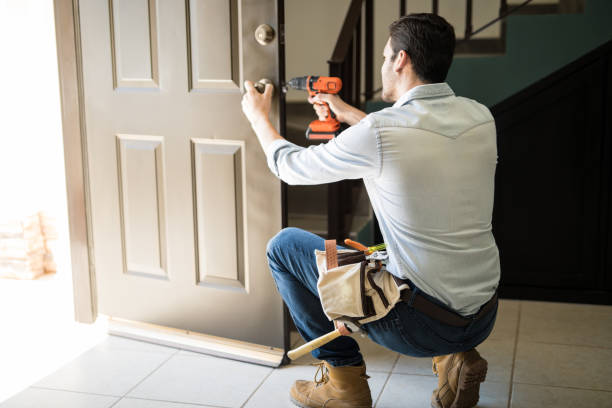
Selling a house “as is” means you’re putting your property on the market in its current condition. No repairs, no upgrades, no covering repair costs for the buyer. It’s the real estate version of saying, “What you see is what you get.” Homes sold this way are typically priced and marketed to sell quickly, making it an appealing option for sellers who want to avoid the hassle of renovations. Buyers, in turn, often benefit from a lower price and a faster transaction.

Should You Sell Your House As Is?

There’s no universal answer—it depends on your specific situation. To help you decide, here are some common reasons homeowners choose this route:

1. Money Concerns

If your property needs repairs you can’t afford or you don’t believe upgrades will significantly increase its value, selling as is might be the best option. Why pour cash into a project that won’t pay off?

2. Time Constraints

Whether you’re relocating quickly or aiming to take advantage of a hot real estate market, you may not have time for renovations. Selling as is lets you skip the waiting game and move forward on your schedule.

3. Convenience

Renovations can be stressful—even if you’re hiring professionals. Selling as is eliminates the effort, time, and headaches that come with overseeing repairs or dealing with picky buyers.

Pros of Selling As Is:

  • Saves Time: Skip the contractor delays and extensive negotiations over repairs. With the right pricing, you might even attract cash buyers, streamlining the process further.
  • Saves Money: Avoid costly renovations that can run up to $150 per square foot—leaving your wallet intact.
  • Less Stress: Forget repair negotiations and nitpicky buyers. Selling as is simplifies the entire experience.

Cons of Selling As Is:

  • Fewer Offers: Some buyers (and their lenders) shy away from as-is homes due to repair needs. This often limits your pool to investors or house flippers.
  • Lower Profit: Buyers know they’ll need to cover repair costs and often negotiate aggressively, which can shrink your profit margin.

Is Selling As Is Right for You?

If you’re in a rush, strapped for cash, or simply want a straightforward transaction, selling as is can be a smart choice. However, if maximizing profit is your priority, investing in some repairs might be worth it. Every situation is unique, so it’s essential to weigh the pros and cons and consult a trusted real estate professional to help guide your decision.

Selling your house doesn’t have to be an uphill battle. Whether you opt for as is or choose to spruce things up, there’s a path to closing the deal that works for you!

If you’re considering a move or investment and require a trusted Real Estate Broker, we’re here to assist you. Contact us via email at TEAM@McDanielCallahan.com, complete the form below, or give us a call at 925-838-4300. We are ready to provide expert guidance and support for all your real estate needs. Terry McDaniel DRE License #00941526
Go back

Your message has been sent

Warning
Warning
Warning
Warning.

Advantages to Buying Your Home in the Winter: A Smart Move?

Buying a home in the winter might not sound like the coziest activity—snowy sidewalks and chilly open houses—but it has some seriously compelling perks. Let’s talk about why winter could be your golden season for home buying, sprinkled with a few relatable moments and practical insights.

1. Less Competition Means More Opportunity

Winter is the off-season in real estate. Fewer buyers are braving the cold, meaning the playing field is less crowded. It’s like scoring the last slice of cake at a party—without everyone else elbowing in. With fewer bidding wars, you can take a breath and focus on finding your dream home without feeling the heat of rivals snapping it up.

2. Better Deals Are on the Table

Did you know that homes sold in January are often cheaper than those sold in spring or summer? According to recent data, winter buyers can save tens of thousands of dollars compared to warmer months. That’s enough to cover some nice upgrades—or to splurge on your first big housewarming party. Sellers are often motivated during the holidays or in the New Year, making negotiations a bit more in your favor.

3. Your Agent Has Time for You

With fewer clients to juggle, agents can roll out the red carpet for winter buyers. From arranging showings that fit your schedule to offering personalized advice, this is when agents shine. Bonus? Faster responses and more attention to detail—it’s like having your real estate fairy godparent on speed dial.

4. Lock in a Stable Mortgage Rate

In a world of fluctuating interest rates, locking in a good one now can feel like hitting the jackpot. Rates tend to be more stable in winter, and if they drop further, refinancing is always an option. Why wait for spring when the current rate could save you money long-term?

Is Winter Buying Right for You?

Sure, winter has its hurdles—icy driveways, holiday distractions—but the benefits can outweigh the seasonal struggles. Whether you’re looking to save money, avoid competition, or get more personalized support, buying a home in winter might be the savvy move you didn’t expect.

So, grab your favorite scarf, venture out into the crisp air, and make this season the start of something extraordinary. You just might find that winter is the perfect time to turn your dream of homeownership into reality.

If you’re considering a move or investment and require a trusted Real Estate Broker, we’re here to assist you. Contact us via email at TEAM@McDanielCallahan.com, complete the form below, or give us a call at 925-838-4300. We are ready to provide expert guidance and support for all your real estate needs. Terry McDaniel DRE License #00941526

Go back

Your message has been sent

Warning
Warning
Warning
Warning.

Selling Your Home in December: 3 Tips for Success

Listing your home during the holidays may feel like an uphill battle, but it also comes with unique opportunities. December buyers tend to be serious, and festive decorations can make your house feel inviting. To help your home shine during this busy season, here are three tips:

1. Keep Decor Simple and Inviting

Holiday decorations can enhance your home’s appeal, but less is more when your house is listed for sale. Stick to a neutral and minimal approach—think twinkling lights, a simple wreath, and tasteful greenery. Avoid oversized inflatables or decorations that crowd your space, making rooms feel smaller. Let buyers imagine their holidays in your home.

2. Prioritize Curb Appeal

Winter weather can dull your exterior, so add a pop of cheer. Sweep walkways, keep driveways clear of snow or leaves, and ensure your porch is well-lit. A simple seasonal doormat or potted winter plants can create a welcoming vibe for potential buyers.

3. Be Flexible with Showings

With everyone juggling holiday events, your schedule for showings needs to be flexible. Work closely with your agent to accommodate buyers’ needs, even if it means showing your home during unconventional hours. Making your home accessible can give you an edge in a competitive market.

Selling your home in December can be an adventure, but it’s also an opportunity to stand out. With tasteful décor, a focus on curb appeal, and a flexible approach, you can attract motivated buyers who are ready to close.

If you’re considering a move or investment and require a trusted Real Estate Broker, we’re here to assist you. Contact us via email at TEAM@McDanielCallahan.com, complete the form below, or give us a call at 925-838-4300. We are ready to provide expert guidance and support for all your real estate needs. Terry McDaniel DRE License #00941526

Go back

Your message has been sent

Warning
Warning
Warning
Warning.

Living Small, Thriving Big: Why Tiny Homes are a Giant Leap Forward

The tiny home movement has captured the imaginations of many seeking simpler, more sustainable lifestyles. But, is this trend really all it’s cracked up to be? Jacqueline Urick, who lives in a 540-square-foot home in Sturtevant, WI, with her beloved dog, Spice, the answer is a resounding yes.—there’s something undeniably appealing about the idea of trading in a massive mortgage for a cozy, affordable space that’s all your own.

Tiny Homes: Big on Benefits

The average American home has been steadily growing in size, averaging over 2,400 square feet as of recent reports. In contrast, tiny homes usually range between 100 and 600 square feet. But despite their small footprint, these homes often come with a surprising list of benefits:

  1. Financial Freedom
    Tiny homes can drastically cut costs. The average cost to buy and build a tiny home is around $30,000 to $60,000—significantly less than a traditional house. This was one of the big draws for Urick, who purchased her 540-square-foot Quonset hut for only $35,000! And without a big mortgage payment, tiny homeowners can focus on other priorities, from travel to education.
  2. Environmental Impact
    Living in a tiny home has a naturally smaller environmental impact. Tiny homes use fewer resources in both construction and day-to-day energy. Many people also install solar panels or use energy-efficient appliances, further lowering their carbon footprint. In Urick’s case, heating and cooling a small space means her utility bills are incredibly low. According to a study by the National Association of Home Builders, tiny homes use around 45% less energy than traditional homes.
  3. Clutter-Free Living
    In a tiny space, you’re forced to make choices about what you truly need. Urick, for example, had to give up on impulse buys and say goodbye to “just-in-case” items. Tiny homes encourage a minimalist lifestyle, which many find both liberating and calming. Every item in the home serves a purpose, and in a space with minimal clutter, many people report reduced stress levels and an easier time staying organized.

The Challenges of Tiny Living

Of course, tiny living isn’t all roses and savings accounts. There are some trade-offs, and it takes a certain mindset to thrive in a small space.

  1. Space Constraints
    Let’s be honest—tiny homes come with the obvious limitation of less space. Jacqueline Urick admits that having more than three guests over can make her space feel cramped. For some, entertaining might be challenging in such small quarters, so it’s something to consider if you’re used to hosting large gatherings.
  2. Higher Cost per Square Foot for Renovations
    Interestingly, renovating a tiny home can be more expensive than expected, often costing more per square foot than a larger house. Urick discovered this firsthand. She spent about $110,000 on her renovations, dealing with high foundation repair costs and the difficulty of finding contractors willing to take on a tiny project. Due to the unique challenges (like curved walls in her Quonset hut), not all contractors were willing to work on the space, and those who did charged more.
  3. Storage and Lifestyle Adjustments
    Adapting to a tiny home usually means changing lifestyle habits—like cutting back on impulse buys and opting for quality over quantity. Urick’s closet, for instance, was so compact that each new piece of clothing required her to part with an old one. But while it might feel restrictive at first, this intentional living often leads to more thoughtful purchases and an appreciation for what you truly need.

Who’s Joining the Tiny Home Movement?

The tiny home lifestyle appeals to a wide range of people. Millennials and younger generations often view tiny homes as a path to financial freedom and a more sustainable lifestyle. But it’s not just young folks jumping in—retirees are increasingly opting for tiny homes to downsize and simplify, freeing up more funds for travel and new experiences. For anyone prioritizing sustainability, flexibility, and financial independence, tiny homes present an enticing alternative.

Thinking About Going Tiny? Here’s What to Consider

If you’re inspired by the idea of tiny living, start by thinking about your non-negotiables. What aspects of your current lifestyle are you willing to adapt? And what would make a tiny home feel like “home” to you? While tiny homes offer many perks, they’re not for everyone. But for people like Urick, they’ve become the ultimate solution for living simply, saving money, and focusing on what truly matters.

As the housing market continues to evolve, tiny homes are proving they’re more than just a passing trend. They’re a testament to living intentionally, cutting back on waste, and making room—quite literally—for a life focused on experiences over excess. So if you’re feeling the itch to live small, know that a giant leap forward might just mean scaling down.

https://www.realtor.com/news/trends/best-tiny-house-in-america/

If you’re considering a move or investment and require a trusted Real Estate Broker, we’re here to assist you. Contact us via email at TEAM@McDanielCallahan.com, complete the form below, or give us a call at 925-838-4300. We are ready to provide expert guidance and support for all your real estate needs. Terry McDaniel DRE License #00941526

Go back

Your message has been sent

Warning
Warning
Warning
Warning.