
Resilience and Shifting Trends: A Look at June’s Residential Construction Spending

Often reflecting the ebb and flow of economic trends and societal needs June brought a notable shift in residential construction activity, with spending witnessing a nearly 1% upswing compared to May. This surge, albeit against the backdrop of reduced spending from the previous year, indicates the industry’s adaptability and resilience.

Tracking the Numbers

June’s data on residential construction spending paints an intriguing picture. Despite facing a year-over-year decline, the month witnessed a promising increase in activity. The rise of nearly 1% over May indicates a renewed momentum within the sector. Delving deeper into the specifics, a significant highlight emerges: the surge in single-family home construction, which surged by over 2% during the month.

The Shift Towards Single-Family Homes

The increase in single-family home construction during June underlines a shifting trend in the housing market. As individuals seek spaces that cater to their evolving needs, the focus on single-family homes showcases a response to changing lifestyle preferences. This shift signifies the industry’s agility in addressing the demands of modern homeowners.

Resilience in the Face of Challenges

While the year-on-year figures still reflect a decline, the upturn in spending indicates the resilience of the construction industry. The ability to adapt and recalibrate strategies to align with market demands showcases the sector’s determination to remain robust even in challenging times. As the world navigates uncertainties, the construction industry’s capacity to evolve and grow is a beacon of hope.

Looking Forward

June’s uptick in residential construction spending and the emphasis on single-family home projects offer insights into the industry’s trajectory. It’s a testament to the builders’ dedication to fulfilling the changing needs of the community. As we move forward, this adaptability will likely continue to shape the construction landscape, with an increasing emphasis on innovation, sustainability, and personalized spaces.

June’s residential construction spending data tells a compelling tale of adaptability, resilience, and a shifting market landscape. While the figures might indicate a year-over-year decline, the month’s increase underscores the sector’s ability to respond to changing trends. The focus on single-family homes adds a layer of insight into evolving homeowner preferences. As the construction industry navigates challenges and embraces opportunities, its ability to transform and adapt remains its most valuable asset.

If you’re considering a move or investment and require a trusted Real Estate Broker, we’re here to assist you. Contact us via email at TEAM@McDanielCallahan.com, complete the form below, or give us a call at 925-838-4300. We are ready to provide expert guidance and support for all your real estate needs. Terry McDaniel DRE License #00941526

← Back

Thank you for your response. ✨

Finding Your Perfect Listing Agent: Key Questions to Ask

Selling a home is a significant decision that demands careful consideration and the support of a knowledgeable real estate agent. Choosing the right listing agent can make a world of difference in the selling process, impacting your overall experience and the final sales outcome. To ensure you find the perfect match, take the time to interview prospective agents and ask them essential questions. Let’s look at the key questions to ask when selecting your ideal listing agent, guiding you toward a successful home-selling journey.

  1. Assess Their Experience:

Start by inquiring about the agent’s experience and track record in selling homes within your area. Ask how many properties they have sold and the average time it took to close deals. A seasoned agent with a strong local presence is more likely to understand the market dynamics and attract potential buyers effectively.

  1. Review Their Specialization:

Determine the price range in which the agent typically works. Ensure their expertise aligns with the value of your property. An agent experienced in selling homes within your price range can offer valuable insights and strategies tailored to your specific market segment.

  1. Seek Home Improvement Advice:

A reliable listing agent should be willing to offer advice on enhancing your home’s condition to maximize its sales price. Inquire about any necessary repairs or improvements that can make your property more appealing to potential buyers.

  1. Understand Their Marketing Plan:

An effective marketing plan is crucial for attracting a broad audience of potential buyers. Ask the agent to outline their marketing strategy, including online and offline tactics they plan to use to promote your home.

  1. Request Recommendations:

A reputable agent should have a network of reliable contacts, including contractors, photographers, and moving companies. Request their recommendations for professionals who can assist you throughout the selling process.

  1. Verify Their Professional Affiliation:

Ensure the agent is a member of the National Association of Realtors® (NAR). Realtors abide by a strict code of ethics, demonstrating their commitment to maintaining the highest standards of professionalism and integrity.

  1. Clarify Availability:

Discuss whether real estate is their full-time profession or if they work part-time. While part-time agents can still offer excellent service, understanding their availability during off-hours is essential for seamless communication.

  1. Communication Frequency:

Ask the agent how often they will update you on the progress of the selling process. Regular communication is vital to keep you informed and provide peace of mind.

  1. Vacation and Backup Plans:

Inquire about any upcoming vacations the agent has planned and how they intend to ensure seamless support in their absence.

Selecting the right listing agent is a critical step in achieving a successful home sale. By asking these key questions, you can gain valuable insights into an agent’s experience, expertise, and commitment to meeting your needs. Take the time to interview multiple agents and choose the one whose responses align with your expectations and goals. With the guidance of the perfect listing agent, your home-selling journey can be smooth and rewarding. 🏡✨ #HomeSelling #RealEstateAgent #HomeSellingTips

If you’re considering a move or investment and require a trusted Real Estate Broker, we’re here to assist you. Contact us via email at TEAM@McDanielCallahan.com, complete the form below, or give us a call at 925-838-4300. We are ready to provide expert guidance and support for all your real estate needs. Terry McDaniel DRE License #00941526
← Back

Thank you for your response. ✨

Title: 5 Essential Questions to Ask When House Hunting

House hunting is an exciting and significant step in anyone’s life. Whether you’re a first-time buyer or looking to upgrade to your dream home, it’s crucial to approach the process with a mix of excitement and caution. As you explore potential properties, asking the right questions can help you make an informed decision and find the perfect home that aligns with your needs and budget. In this blog post, we’ll delve into five essential questions to ask when house hunting to ensure you find a house that truly feels like home.

  1. What do you like about the home?

Your real estate agent tours homes regularly and can offer valuable insights into the unique qualities of the property you’re viewing. Take the opportunity to pick your agent’s brain and ask about the standout features of the house. Additionally, while you explore the property’s attractive attributes, remember to keep your practical needs in mind. Ensure that the home’s layout, space, and amenities will meet your day-to-day requirements and accommodate your future plans.

  1. Do you have any concerns?

It’s essential to approach house hunting with a critical eye, especially before you fall head over heels for a particular property. Ask your agent about any potential concerns. Sometimes, the issues might not be immediately apparent, such as a lack of storage space or potentially high heating costs during winter. Your agent’s experience can help you identify aspects you may have overlooked, allowing you to make a well-informed decision.

  1. Is the price right?

Determining the right price for a property is vital to ensure you’re getting a fair deal. Your real estate agent can perform a comparative market analysis, comparing the sale price of the home with that of similar properties recently sold in the area. This analysis will give you a sense of whether the home is overpriced, reasonably priced, or potentially underpriced to attract multiple offers. Armed with this knowledge, you can negotiate confidently and make a competitive offer.

  1. How long has it been on the market?

The length of time a property has been on the market can provide valuable insights into the seller’s position and their willingness to negotiate. Newly listed properties are less likely to have sellers eager to strike a bargain. However, if a property has been sitting on the market for an extended period, the sellers may be more open to negotiations. Don’t immediately assume there’s something wrong with the house if it hasn’t sold quickly; instead, use this information to your advantage during the negotiation process.

  1. Are any repairs needed?

Before making an offer, ask your agent to find out if there are any known issues or repairs that need addressing. The seller may disclose these issues upfront or during the negotiation process, especially if a previous home inspection identified any problems. Understanding the repair needs and associated costs will help you make a well-informed decision about the property’s true value and whether it aligns with your budget and expectations.

House hunting is an exciting journey that requires careful consideration and a strategic approach. By asking these essential questions during the process, you can make informed decisions and find a home that not only meets your preferences but also fits comfortably within your budget. A knowledgeable real estate agent can be your greatest asset, guiding you through the process and ensuring you make the right choices on your path to finding the perfect place to call home.

If you’re considering a move or investment and require a trusted Real Estate Broker, we’re here to assist you. Contact us via email at TEAM@McDanielCallahan.com, complete the form below, or give us a call at 925-838-4300. We are ready to provide expert guidance and support for all your real estate needs. Terry McDaniel DRE License #00941526

← Back

Thank you for your response. ✨

Renting vs. Buying: Making the Right Choice for Your Home

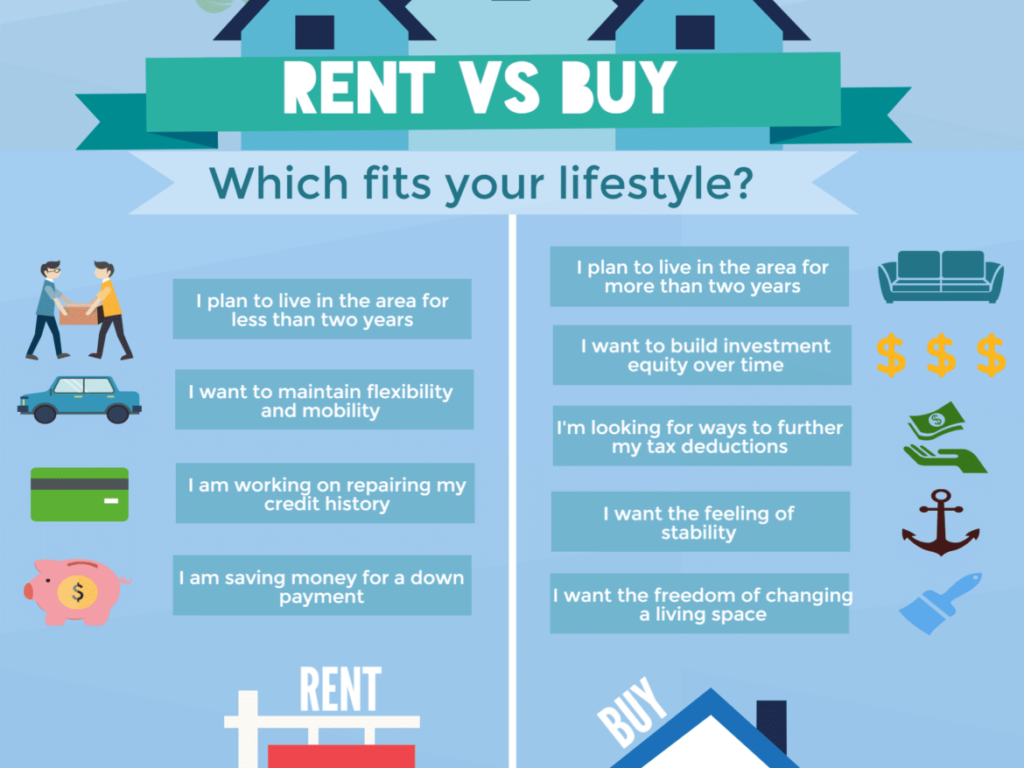
One of life’s significant decisions is whether to rent or buy a house. It’s a choice that depends on a variety of factors, ranging from personal circumstances to long-term financial goals. To make an informed decision, it’s essential to carefully consider three key questions: timeline, affordability, and lifestyle. Let’s explore these factors to help you determine which path is the best fit for your unique situation.

  1. Timeline: Assessing Your Future Plans

Before making any housing decisions, take a close look at your timeline and future plans. Are you expecting changes in your career or personal life that could lead to frequent relocations? If so, renting might be a more suitable option. Renting offers flexibility, allowing you to move without the burden of selling a property, which can be time-consuming and costly.

On the other hand, if you envision putting down roots in a specific community, buying a home can be a wise investment. Homeownership offers stability and the potential for long-term financial benefits. If you plan to stay in the area for several years, owning a home can provide a sense of security and a solid foundation for building wealth.

  1. Affordability: Weighing the Costs

Another critical factor in the rent vs. buy dilemma is affordability. Purchasing a home involves upfront costs such as a down payment and closing costs. The amount required for a down payment will vary based on factors like the housing market, your lender’s requirements, and the type of mortgage you choose. It’s essential to evaluate your financial situation to ensure you can comfortably afford the upfront expenses and monthly mortgage payments.

Renting, on the other hand, generally requires a security deposit and monthly rent. While renting may seem more affordable in the short term, keep in mind that rental costs can increase with each lease renewal. It’s also worth considering that as a homeowner, your monthly mortgage payments contribute to building equity, whereas rent payments do not.

Using online tools like a rent vs. buy calculator can help you compare the costs of both options and give you a rough estimate of which one aligns better with your financial situation.

  1. Lifestyle: Aligning with Your Goals

Your lifestyle and personal goals play a crucial role in deciding whether to rent or buy a house. Homeownership is a long-term commitment that requires regular maintenance, repairs, and responsibility for the property. However, it also comes with the pride of ownership and the freedom to personalize your living space according to your preferences.

If you prefer a more carefree lifestyle or anticipate changes on the horizon, such as a career transition or starting a family, renting might be the better choice. Renting offers the advantage of not being tied down to a specific location, allowing you to adapt to life changes without the burden of homeownership responsibilities.

The decision to rent or buy a house is a highly individual one. There is no one-size-fits-all answer, as each person’s circumstances and priorities are different. Consider your timeline, affordability, and lifestyle preferences to make the right choice for your housing needs.

If you expect frequent changes and prioritize flexibility, renting might be the way to go. On the other hand, if you seek stability and long-term financial benefits, buying a home could be a wise investment.

Take the time to research, evaluate your options, and seek advice from real estate professionals to ensure you make an informed decision that aligns with your goals and aspirations. Whichever path you choose, remember that home is where the heart is, and finding a place that feels like home is the most significant achievement of all.

If you’re considering a move or investment and require a trusted Real Estate Broker, we’re here to assist you. Contact us via email at TEAM@McDanielCallahan.com, complete the form below, or give us a call at 925-838-4300. We are ready to provide expert guidance and support for all your real estate needs. Terry McDaniel DRE License #00941526
← Back

Thank you for your response. ✨

Navigating the U.S. Housing Market: Best & Worst Cities for First-Time Home Buyers

The pursuit of homeownership is an exciting yet daunting endeavor, especially for first-time buyers. To aid in this process, WalletHub recently released its 2023 edition of the Best & Worst Cities for First-Time Home Buyers, providing valuable insights to potential homeowners.

Conducting an in-depth analysis of 300 cities using 22 key metrics, WalletHub considered factors like housing affordability, real-estate tax rates, property-crime rates, and quality-of-life aspects. The results unveiled a diverse landscape of housing opportunities across the nation.

Florida metros took center stage in the Best Cities category, with Palm Bay, Cape Coral, Tampa, Port St. Lucie, and Orlando claiming the top five spots. Meanwhile, Arizona’s Surprise and Gilbert secured the sixth and seventh rankings, and cities like Boise, Chesapeake, and Henderson rounded out the top 10.

On the flip side, California markets dominated the Worst Cities list, with Berkeley and Santa Monica ranking at the bottom. Other cities in California, such as Los Angeles, San Francisco, and Oakland, also featured in the bottom 10.

WalletHub’s study highlighted significant variations in housing affordability, with Springfield, Illinois, deemed the most affordable and Santa Barbara the least. Similarly, cities exhibited varying real estate tax rates, rent-to-price ratios, and home-energy costs.

For first-time home buyers, this comprehensive study serves as a valuable resource to navigate the diverse U.S. housing market. By considering key factors and identifying cities that align with their needs, aspiring homeowners can make informed decisions and embark on their journey towards homeownership with confidence.

https://wallethub.com/edu/best-and-worst-cities-for-first-time-home-buyers/5564

If you’re considering a move or investment and require a trusted Real Estate Broker, we’re here to assist you. Contact us via email at TEAM@McDanielCallahan.com, complete the form below, or give us a call at 925-838-4300. We are ready to provide expert guidance and support for all your real estate needs. Terry McDaniel DRE License #00941526

← Back

Thank you for your response. ✨

Title: Pros and Cons of Selling Your Home Before You Buy: A Wise Move or a Risky Leap?

The real estate market is ever-evolving, and homeowners often face the challenging decision of whether to sell their current home before purchasing a new one. While some may prefer the comfort of selling first to secure financial stability, others may hesitate due to the uncertainty of finding their dream home in time. Let’s explore the pros and cons of selling your home before you buy, helping you weigh the options and make an informed choice.

Pros:

  1. Financial Security: Selling your current home before buying a new one can provide a strong financial foundation. The sale proceeds can be used to cover the down payment and closing costs for your new home, reducing the need for additional financing.
  2. Negotiating Power: With your current home sold, you become a more attractive buyer. Sellers may be more willing to negotiate on price and terms, giving you an edge in a competitive market.
  3. No Contingencies: Selling first eliminates the need for a home sale contingency in your offer, streamlining the buying process and making your offer more appealing to sellers.

Cons:

  1. Temporary Housing: If you sell your home before finding a new one, you might need to arrange for temporary housing, which could lead to extra costs and inconvenience.
  2. Rushed Decision: The pressure to find a new home quickly might lead to making hasty decisions, potentially settling for a property that doesn’t meet all your needs and desires.
  3. Market Fluctuations: Real estate markets can be unpredictable, and selling before buying might expose you to potential price increases or limited options if the market becomes highly competitive.

Selling your home before buying is a personal decision that depends on your financial situation, risk tolerance, and local real estate market conditions. While it offers financial security and increased negotiation power, the prospect of temporary housing and rushed decisions might deter some. Consider working with a trusted real estate agent who can guide you through the process and help you make the best decision based on your unique circumstances. Remember, each situation is different, so carefully weigh the pros and cons before taking the plunge into the real estate market.

If you’re considering a move or investment and require a trusted Real Estate Broker, we’re here to assist you. Contact us via email at TEAM@McDanielCallahan.com, complete the form below, or give us a call at 925-838-4300. We are ready to provide expert guidance and support for all your real estate needs. Terry McDaniel DRE License #00941526

← Back

Thank you for your response. ✨

Unlocking Your Real Estate Journey: The Advantages of Investing in Duplexes for First-Time Buyers

For first-time buyers, investing in a duplex can be a smart and advantageous option. Duplexes are residential properties that consist of two separate units under one roof, each with its own entrance, kitchen, and living space. Here are several reasons why duplexes are a good choice for first-time buyers:

  1. Rental Income Potential: One of the most significant advantages of owning a duplex is the potential for rental income. By living in one unit and renting out the other, first-time buyers can offset their mortgage and housing expenses. This additional income stream can significantly ease financial burdens and accelerate building equity.
  2. Building Equity and Wealth: As renters in the second unit pay down the mortgage, the first-time buyers accumulate equity in the property. Over time, the duplex can become a valuable asset and a stepping stone for future investments.
  3. Cost-Sharing Opportunities: Duplex owners can share certain costs with their tenants, such as utility bills, maintenance, and property taxes. This division of expenses can reduce the overall financial burden on the first-time buyers.
  4. Flexibility and Future Expansion: Duplexes offer flexibility for future growth and expansion. If the owners plan to start a family or need more space, they can eventually convert the rental unit into an additional living space.
  5. Learning Experience: Managing a rental property on-site provides valuable hands-on experience in real estate investing. First-time buyers can learn about property management, tenant relations, and financial planning, which can be beneficial in future investment endeavors.
  6. Housing Affordability: Duplexes often provide more affordable homeownership options compared to single-family homes in the same area. This affordability factor can help first-time buyers enter the real estate market sooner.
  7. Tax Benefits: Duplex owners may be eligible for tax deductions related to property expenses, such as mortgage interest, property taxes, and maintenance costs. Consult with a tax professional to maximize these potential benefits.

For first-time buyers seeking to enter the real estate market, investing in a duplex presents a range of advantages. From rental income potential to cost-sharing opportunities and valuable learning experiences, duplexes offer a pathway to homeownership and real estate investment. Consider exploring the possibilities of duplex ownership and consult with a real estate professional to find the right property that aligns with your financial goals and aspirations. Owning a duplex can be a stepping stone to building wealth and financial security for the future.

If you’re considering a move or investment and require a trusted Real Estate Broker, we’re here to assist you. Contact us via email at TEAM@McDanielCallahan.com, complete the form below, or give us a call at 925-838-4300. We are ready to provide expert guidance and support for all your real estate needs. Terry McDaniel DRE License #00941526

← Back

Thank you for your response. ✨

Navigating the 2023 Real Estate Market: A Closer Look at Inventory Trends and Pricing

As we progress through 2023, the real estate market continues to evolve, presenting both challenges and opportunities for buyers and sellers alike. Understanding the key trends and factors at play can empower individuals to make informed decisions. In this blog post, we delve into the latest 2023 outlook, focusing on inventory levels and pricing dynamics, to shed light on the current state of the housing market.

Inventory and Pricing Overview:

The updated 2023 outlook highlights a drop in housing inventory this year, attributed to a decline in seller participation in the market. As a result, the supply of available homes has tightened, impacting buyer choices and putting upward pressure on prices.

Median listing prices have seen a slight dip of 0.2% compared to last year’s figures. However, June’s median home list price showed a small increase, reaching $445,000 from May’s $441,445. While this represents a drop from the peak price of $450,000 seen last year, the projected decline for the year is expected to be a modest 0.6%.

New listings have been consistently lower than the previous year for 53 weeks, with this week showing a wider gap compared to the past. Despite the ongoing resilience of the job market, high mortgage rates have deterred some potential sellers from listing their homes for sale.

Impact on Buyers and Sellers:

For eager buyers, the lack of inventory poses a significant challenge, limiting their choices and potentially leading to competitive bidding situations. Homes are spending an average of 13 extra days on the market compared to last year, reflecting a more balanced supply and demand compared to the pandemic’s peak.

However, the slower-paced market provides buyers with a window of opportunity, particularly as pricing levels remain just slightly lower than year-ago levels. Additionally, those who may be hesitant to enter the buyer’s market can explore relief in the rental market, which saw a decrease in prices in May after years of steadily climbing rents.

Navigating the 2023 real estate market requires careful consideration of inventory trends and pricing dynamics. The drop in inventory and slower-selling homes indicate a more balanced market, allowing buyers to make informed choices. As we move forward in the year, potential buyers and sellers should stay attuned to the evolving market conditions and work with experienced real estate professionals to navigate these exciting opportunities in the housing landscape.

If you’re considering a move or investment and require a trusted Real Estate Broker, we’re here to assist you. Contact us via email at TEAM@McDanielCallahan.com, complete the form below, or give us a call at 925-838-4300. We are ready to provide expert guidance and support for all your real estate needs. Terry McDaniel DRE License #00941526

← Back

Thank you for your response. ✨

The Long-Term Advantages of Buying a Home: Securing Your Future

Photo by RDNE Stock project on Pexels.com

Purchasing a home is a significant decision, and while it may seem overwhelming at first, the long-term advantages make it a smart investment that goes beyond providing a place to live. In this blog post, we will explore the numerous benefits of homeownership that extend far into the future, emphasizing why it is crucial to secure your financial well-being by finding the right home and working with a qualified real estate broker.

Building Equity:

One of the most significant advantages of owning a home is building equity. As you make mortgage payments, your equity increases, turning your home into a valuable asset. This equity can be utilized for financing home improvements, funding education expenses, or even serving as a down payment for a second home, providing long-term financial flexibility.

Stability in Housing Costs:

With a fixed-rate mortgage, homeowners enjoy stable housing costs. Monthly principal and interest payments remain the same throughout the loan term, allowing for predictable financial planning and avoiding the uncertainty of rent increases in the rental market.

Control over Your Living Space:

Owning a home gives you control over your living space. You have the freedom to make changes, improvements, and customizations without seeking permission from a landlord. This autonomy allows you to create a living environment that aligns with your needs, preferences, and lifestyle, contributing to a sense of ownership and well-being.

Tax Benefits:

Homeownership offers several tax advantages that can lead to long-term financial savings. Itemizing deductions for mortgage interest and property taxes can exceed the standard deduction, providing additional tax benefits. Furthermore, the potential capital gains exclusions, up to $500,000 for married filers and $250,000 for single filers, offer substantial savings when selling a primary residence that meets certain criteria.

The long-term advantages of buying a home extend beyond mere homeownership. Building equity, stable housing costs, control over your living space, and tax benefits contribute to your financial well-being and future security. To make the most of these advantages, it is essential to research the market, obtain pre-approval for a mortgage, and seek the assistance of a qualified real estate broker. Finding the right home that aligns with your needs and budget is crucial for securing your future and enjoying the multitude of benefits that homeownership offers. Take the first step towards a brighter future by exploring the possibilities of owning a home and finding a trusted broker to guide you through the process.

If you’re considering a move or investment and require a trusted Real Estate Broker, we’re here to assist you. Contact us via email at TEAM@McDanielCallahan.com, complete the form below, or give us a call at 925-838-4300. We are ready to provide expert guidance and support for all your real estate needs. Terry McDaniel DRE License #00941526

← Back

Thank you for your response. ✨

Steps to Successfully Selling Your House: A start

Selling your house is a significant decision that involves careful planning and execution. To ensure a smooth and successful selling process, it’s important to follow a series of essential steps. In this guide, we will walk you through the key stages of selling your house, from identifying your motivation to effectively marketing your listing. Let’s dive in!

  1. Identify Your Motivation for Selling: Understanding why you want to sell your house is crucial, as it will help shape your approach and set realistic expectations. Whether you’re downsizing, relocating, or seeking a larger space, clarifying your motivation will guide your decision-making throughout the process.
  2. Research the Best Time to Sell in Your Area: Timing is everything in the real estate market. Research local housing trends, consult with real estate professionals, and consider factors like seasonality, market conditions, and economic indicators. Identifying the best time to sell can increase your chances of attracting potential buyers and maximizing your sale price.
  3. Commit to a Representation Strategy: Decide whether you will sell your house independently or enlist the services of a real estate agent. Research and interview potential agents to find someone who aligns with your goals and has a proven track record in your local market.
  4. Complete Home Improvements: Enhancing your house’s appeal is crucial in attracting buyers. Assess your property objectively and address any necessary repairs, decluttering, or cosmetic enhancements. Consider small renovations or updates that can significantly increase your home’s value and appeal.
  5. Price Your Home Competitively: Determining the right price is a critical factor in selling your house promptly and at a desirable value. Conduct a comparative market analysis, consider recent sales in your area, and consult with your real estate agent to accurately price your property.
  6. Stage Your House to Sell: Staging your home can make a significant difference in attracting buyers and showcasing its potential. Depersonalize and declutter your space, rearrange furniture for optimal flow, and add tasteful touches to create a welcoming and appealing atmosphere.
  7. Market Your Listing Effectively: To reach a wide pool of potential buyers, develop a comprehensive marketing strategy. Utilize professional photography, create a compelling listing description, and leverage both traditional and online platforms. Consider social media, real estate websites, and local advertising channels to maximize exposure.

Selling your house requires careful planning and execution. By following these essential steps, you can navigate the process confidently and increase your chances of a successful sale. Remember to consider your motivations, conduct thorough research, make necessary improvements, and effectively market your listing. With strategic planning and the right approach, you’ll be well on your way to a smooth and satisfying selling experience.

If you’re considering a move or investment and require a trusted Real Estate Broker, we’re here to assist you. Contact us via email at TEAM@McDanielCallahan.com, complete the form below, or give us a call at 925-838-4300. We are ready to provide expert guidance and support for all your real estate needs. Terry McDaniel DRE License #00941526

← Back

Thank you for your response. ✨