
A Checklist for Your Final Walkthrough Before Closing

The final walkthrough is one of the last and most important steps in buying a home. It’s your chance to ensure the property is in the agreed-upon condition and ready for you to move in. Use this checklist to make sure nothing is overlooked during this crucial step.

1. Confirm Agreed Repairs Are Completed

Check that any repairs negotiated during the contract process have been completed. Ask to see paperwork and receipts to confirm the work was done professionally and as promised.

2. Verify Sellers’ Belongings Are Removed

The property should be completely vacated unless specific arrangements were made. Walk through each room to ensure personal items, old furniture, or trash are not left behind.

3. Inspect for New Damage

Even if the home passed inspection earlier, it’s essential to ensure no new damage has occurred since then. Look for scuffs, holes, or water leaks that may have happened during the seller’s move-out process.

4. Test Utilities and Systems

Make sure all utilities are operational. Test light switches, faucets, appliances, heating, and cooling systems. Confirm the water heater and any included appliances function as expected.

5. Review Doors and Windows

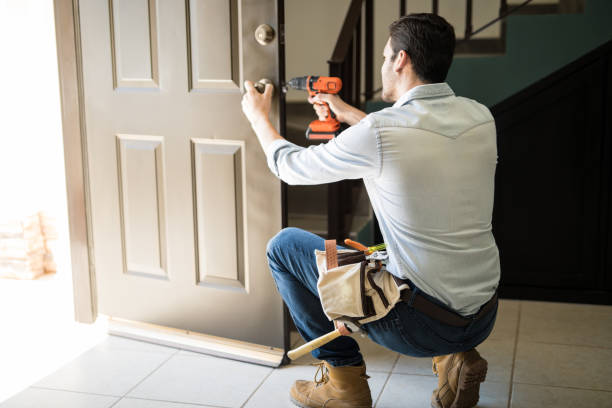
Open and close all doors and windows to confirm they work properly. Check for broken locks, torn screens, or cracked panes.

6. Look Over the Yard and Exterior

Inspect the yard, garage, or storage sheds. Ensure the landscaping is as agreed, and any outdoor structures or features are intact and in good condition.

7. Check Included Items

Verify that all items included in the sale, like curtains, blinds, light fixtures, or appliances, are still present and in working order.

8. Bring Your Documentation

Take your purchase agreement with you so you can confirm what was agreed upon in case any discrepancies arise.

Final Tip

Your agent should accompany you during the walkthrough to help address any issues or questions. If any problems arise, document them immediately and communicate them with your agent and seller to resolve before closing.

Being thorough during your final walkthrough can help you avoid surprises and ensure a smooth transition into your new home!

If you’re considering a move or investment and require a trusted Real Estate Broker, we’re here to assist you. Contact us via email at TEAM@McDanielCallahan.com, complete the form below, or give us a call at 925-838-4300. We are ready to provide expert guidance and support for all your real estate needs. Terry McDaniel DRE License #00941526

Go back

Your message has been sent

Warning
Warning
Warning
Warning.

Be Patient When Finalizing Your Mortgage: A Key Step in the Home-Buying Journey

When you’ve found the perfect home and made an offer, there’s still one crucial step left before you can officially close—getting your mortgage finalized. This phase often requires patience, and for good reason.

Your lender will review your financial documents in detail to ensure everything checks out. From verifying your income to examining your debt-to-income ratio, this process can take several weeks, even more than a month in some cases. You may feel eager to move forward, but rushing this step can lead to complications down the road.

Here’s what you should keep in mind while waiting for that final loan approval:

  1. Stay Stable: Once you’re under contract, try to avoid making any big financial moves. This means not opening new credit cards, making large purchases, or changing jobs. Even seemingly small changes to your financial profile could affect your loan approval, especially your debt-to-income ratio.
  2. Patience is Key: The mortgage approval process involves a lot of back-and-forth with your lender. They will be checking your credit score, verifying employment, and reviewing bank statements. While this process may take time, it’s critical to ensure everything is in order for a smooth closing.
  3. Maintain Communication: Keep an open line of communication with your lender. If they request additional documents or information, provide them as quickly as possible to avoid delays.

In the end, staying patient and being mindful of your financial decisions can help ensure that everything goes smoothly. Finalizing your mortgage is a major milestone, but it’s worth the wait for the peace of mind it provides as you move closer to homeownership.

Remember, the more you maintain stability during this process, the more likely you are to avoid setbacks when the time comes to close on your new home!

If you’re considering a move or investment and require a trusted Real Estate Broker, we’re here to assist you. Contact us via email at TEAM@McDanielCallahan.com, complete the form below, or give us a call at 925-838-4300. We are ready to provide expert guidance and support for all your real estate needs. Terry McDaniel DRE License #00941526

Go back

Your message has been sent

Warning
Warning
Warning
Warning.

Tip for Selling Your House: Don’t Hide Major Repairs

When it comes to selling your house, honesty really is the best policy—especially when it comes to major repairs. You might be tempted to hide issues like roof leaks or pest problems, thinking they won’t be noticed, but trust me, it’s a bad move.

Here’s the thing: buyers usually have a home inspection done after they accept your offer. Any hidden issues you tried to cover up are almost certainly going to come to light. Whether it’s a leak in the attic or a mold issue in the basement, these problems will pop up eventually and may even derail the sale or lead to costly negotiations down the line.

Instead of hiding issues, be upfront about them from the get-go. Buyers appreciate transparency, and it can actually make the process smoother for everyone involved. If you’re honest about the condition of the home, buyers might still proceed with the purchase but can adjust their offer accordingly or be prepared to handle the repairs themselves.

This upfront approach builds trust and sets realistic expectations. Plus, being transparent means you’re less likely to waste your time on potential buyers who may back out once they find issues you tried to cover up.

In the long run, honesty doesn’t just save you from trouble—it can also save you from a lot of unnecessary stress. So, when it comes to major repairs, don’t hide them. It’s better to address them early on and keep the process smooth and transparent.

Honesty is Key in the Home Selling Process!

If you’re considering a move or investment and require a trusted Real Estate Broker, we’re here to assist you. Contact us via email at TEAM@McDanielCallahan.com, complete the form below, or give us a call at 925-838-4300. We are ready to provide expert guidance and support for all your real estate needs. Terry McDaniel DRE License #00941526

Go back

Your message has been sent

Warning
Warning
Warning
Warning.

Are Schools Important to You? Here’s What to Consider When Choosing Where to Live

When searching for your next home, schools are a significant factor for many families, whether or not they currently have school-age children. Strong school districts often contribute to higher property values and vibrant communities. Here are three things to consider when evaluating schools in an area:

1. School Performance and Ratings

Look up local schools’ performance metrics through resources like state education websites or platforms such as GreatSchools.org. Consider test scores, graduation rates, and student-to-teacher ratios. These indicators can give you a snapshot of how well schools are meeting educational benchmarks. Have you heard any recent positive news about schools in your prospective neighborhood? Awards, academic achievements, or new programs could indicate a thriving district.

2. Community Engagement and Extracurriculars

A school isn’t just about academics. Check if schools offer arts, sports, and STEM programs, and how actively parents and the community are involved. Schools with robust extracurricular activities often foster a strong sense of community and well-rounded student experiences.

3. Future-Proofing Your Investment

Even if you don’t have children, buying in an area with good schools can positively impact your home’s resale value. Buyers with families will prioritize properties in reputable school districts, making your investment more attractive down the line.

Ultimately, the quality of area schools plays a vital role in shaping your experience in a new neighborhood. Take the time to visit schools, talk to locals, and do your research

If you’re considering a move or investment and require a trusted Real Estate Broker, we’re here to assist you. Contact us via email at TEAM@McDanielCallahan.com, complete the form below, or give us a call at 925-838-4300. We are ready to provide expert guidance and support for all your real estate needs. Terry McDaniel DRE License #00941526

Go back

Your message has been sent

Warning
Warning
Warning
Warning.

Is Selling Your Home Yourself Really Saving You Money?

Thinking about selling your home yourself to save some cash? It’s a tempting idea, but let’s take a closer look at the numbers. According to the National Association of Realtors (NAR), homes sold with the help of a real estate agent typically sell for $60,000 more on average than homes sold as For Sale By Owner (FSBO). That’s not just pocket change—it’s a game-changer.

So, what makes the difference? First and foremost, exposure. Real estate agents have access to the Multiple Listing Service (MLS), a tool that gets your home in front of thousands of qualified buyers. Sure, you could post some flyers or list on a few websites, but the reach just isn’t the same.

Next, consider their expertise. Selling a home involves more than snapping a few photos and setting a price. Agents handle complex negotiations, pricing strategies, and legal paperwork. They’ve likely sold dozens (if not hundreds) of homes, which means they know how to maximize your profit while minimizing headaches.

Going FSBO might seem like a cost-saving move, but when you factor in potential underpricing, limited exposure, and the time it takes to manage the sale, hiring a professional often pays off. Before you decide, weigh the true costs and benefits.

Ready to explore your options? Contact a trusted real estate agent to discuss how they can help you achieve top dollar for your home.

If you’re considering a move or investment and require a trusted Real Estate Broker, we’re here to assist you. Contact us via email at TEAM@McDanielCallahan.com, complete the form below, or give us a call at 925-838-4300. We are ready to provide expert guidance and support for all your real estate needs. Terry McDaniel DRE License #00941526

Go back

Your message has been sent

Warning
Warning
Warning
Warning.

Where to Keep Your Down Payment Savings: A Guide for Future Homebuyers

Saving for a down payment is one of the biggest steps toward buying your dream home. But where should you stash your cash while you’re building up that nest egg? The right place depends on balancing safety, accessibility, and some growth. Here are a few smart options:

1. High-Yield Savings Account

High-yield savings accounts are a great choice for storing your down payment. These accounts often offer competitive interest rates compared to standard savings accounts, helping your money grow a little while remaining risk-free. Plus, your funds are typically insured by the FDIC or NCUA (for credit unions), so there’s no risk of losing your principal.

Benefits:

  • Easy access to your money.
  • No risk of losing your savings.
  • Minimal fees (if you choose the right bank).

Tip: Look for online banks, as they often offer higher rates and lower fees than traditional banks.

2. Money Market Account (MMA)

Money market accounts combine features of savings and checking accounts. They often offer slightly higher interest rates than regular savings accounts, with the added benefit of limited check-writing or debit card access.

Ideal for:

  • Buyers who want liquidity and flexibility.
  • Those comfortable with minimum balance requirements (common with MMAs).

Bonus: Some MMAs may provide better interest rates than high-yield savings accounts, depending on the market.

3. Certificates of Deposit (CDs)

If your home purchase is 6–12 months or more away, a short-term CD could be a solid option. CDs typically offer higher interest rates than savings accounts or MMAs, but your money is locked in for the term of the CD.

Consider this if:

  • You’re disciplined and don’t need immediate access to your funds.
  • You want a slightly higher return.

Watch out for: Early withdrawal penalties if you need the money sooner than expected.

Key Takeaways

When choosing where to save for your down payment, prioritize safety, liquidity, and accessibility. A high-yield savings account or money market account is often the best option for most buyers, keeping your funds secure and ready when you need them.

Saving for a down payment takes discipline, but every dollar you set aside today gets you closer to the keys to your new home tomorrow!

Have questions about saving for your down payment or want to explore your home-buying options? Contact us today—

If you’re considering a move or investment and require a trusted Real Estate Broker, we’re here to assist you. Contact us via email at TEAM@McDanielCallahan.com, complete the form below, or give us a call at 925-838-4300. We are ready to provide expert guidance and support for all your real estate needs. Terry McDaniel DRE License #00941526

Go back

Your message has been sent

Warning
Warning
Warning
Warning.

Thinking of Moving? Repairs and Upgrades You Shouldn’t Ignore

If you’re contemplating a move but haven’t fully decided, you might find yourself wondering whether tackling those long-postponed repairs and upgrades is worth it. The truth is, certain home improvements aren’t just optional—they’re essential, whether you stay or go. Even if you plan to sell soon, these fixes are critical since they’ll likely surface during a home inspection. Addressing them now ensures your home retains its value and saves you and future buyers from hefty maintenance costs down the line.

Essential Repairs to Tackle Now

Think of these repairs as maintaining your home’s value rather than adding to it. These improvements reduce long-term maintenance expenses, which can be a significant selling point in today’s market. Here are a few key areas to focus on:

  1. Insulating Hot Water Pipes
    Insulated pipes prevent heat loss, leading to energy savings. They’re especially appealing to buyers concerned about rising energy costs.
  2. Fixing Leaky Windows and Doors
    Drafty windows and doors not only waste energy but can also be red flags for buyers. Sealing these gaps improves comfort and reduces utility bills.
  3. Switching to LED Lightbulbs
    LEDs are energy-efficient and long-lasting, making them a simple but effective way to modernize your home’s lighting.
  4. Staining and Sealing Wood Decks
    Properly maintained decks are less likely to rot or deteriorate, preserving your outdoor space’s value.
  5. Climate-Appropriate Landscaping
    Consider transitioning to landscaping that matches your region’s climate, such as xeriscaping in arid areas. This reduces water use and lowers upkeep costs—a win for you and future buyers.

Talk to Your Realtor

Your local real estate agent is an invaluable resource. They can help you prioritize repairs based on what buyers in your area value most. Some fixes might be non-negotiable, while others can enhance your home’s appeal without breaking the bank.

The key takeaway? These upgrades aren’t about splurging—they’re about smart maintenance and staying ahead of the game. Whether you decide to stay or sell, tackling these projects will ensure your home remains a valuable asset.

Thinking about making a move? Start with a conversation with your realtor—they’ll guide you toward the smartest decisions for your home and your future.

If you’re considering a move or investment and require a trusted Real Estate Broker, we’re here to assist you. Contact us via email at TEAM@McDanielCallahan.com, complete the form below, or give us a call at 925-838-4300. We are ready to provide expert guidance and support for all your real estate needs. Terry McDaniel DRE License #00941526

Go back

Your message has been sent

Warning
Warning
Warning
Warning.

Understanding the Costs of Selling Your Home: What to Expect

Selling your home can be a thrilling, yet daunting process. While the prospect of a successful sale is exciting, it’s essential to keep in mind that there are several costs associated with selling that could take a bite out of your final profit. Here’s a breakdown of the most common home-selling expenses you should expect.

1. Agent Commissions

One of the most significant costs when selling a home is the commission paid to your real estate agent. Typically, this is around 3% of the home’s sale price, though it can vary. Keep in mind, the commission is usually split between the buyer’s agent and your agent. While paying this fee may feel like a lot, a skilled agent can often secure a higher sale price for your home, more than justifying the commission.

2. Closing Costs

Closing costs for sellers typically range from 1-3% of the sale price of your home. These can include:

  • Title transfer fees: To officially transfer ownership of the property.
  • Attorney fees: If you hire an attorney to oversee the closing.
  • Taxes: Various local and state taxes may apply, including capital gains tax in some cases.

It’s important to factor these costs into your budget so you’re not blindsided at the last minute.

3. Home Staging Costs

First impressions matter! Home staging is often a key component of selling a home quickly and for the best price. On average, home staging can cost between $400 and $2,000, though costs can be higher depending on your location and the extent of the staging. Staging may include hiring a professional, painting rooms, and enhancing your home’s curb appeal through landscaping. The goal is to make your home look inviting, well-maintained, and appealing to buyers.

4. Home Inspection Costs

A pre-listing home inspection is a great way to ensure that you’re aware of any issues that may arise before potential buyers find them. While not required, many sellers choose to get an inspection done so they can address any problems upfront. If issues are discovered, you’ll need to budget for repairs, which could range from a small fix to more significant improvements.

5. Seller Concessions

In some cases, offering seller concessions can help seal the deal, especially in a competitive market. This might mean offering to pay part of the buyer’s closing costs or throwing in appliances, like a washer and dryer. This can be a good strategy to attract buyers who may be on the fence, but be sure to weigh the costs against your potential gain.

6. Moving Expenses

Finally, let’s not forget about the cost of moving! Whether you’re hiring a professional moving company or asking your friends for help, moving can be expensive. On average, hiring a moving company costs about $1,700. Be prepared for packing materials, transportation, and possibly even temporary storage. This is often an underestimated cost, so factor it in when budgeting for your move.

Selling a home involves more than just finding a buyer. From agent commissions and closing costs to home staging and moving expenses, the costs can quickly add up. While these expenses might seem overwhelming at first, understanding and budgeting for them in advance can help ensure the process goes smoothly and you’re not left scrambling for extra funds at the last minute. Remember, while you won’t pocket the full sale price after these costs, a successful sale will still move you closer to your next home or financial goal!

If you’re considering a move or investment and require a trusted Real Estate Broker, we’re here to assist you. Contact us via email at TEAM@McDanielCallahan.com, complete the form below, or give us a call at 925-838-4300. We are ready to provide expert guidance and support for all your real estate needs. Terry McDaniel DRE License #00941526

Go back

Your message has been sent

Warning
Warning
Warning
Warning.

What Does It Mean to Sell a House As Is?

Selling a house “as is” means you’re putting your property on the market in its current condition. No repairs, no upgrades, no covering repair costs for the buyer. It’s the real estate version of saying, “What you see is what you get.” Homes sold this way are typically priced and marketed to sell quickly, making it an appealing option for sellers who want to avoid the hassle of renovations. Buyers, in turn, often benefit from a lower price and a faster transaction.

Should You Sell Your House As Is?

There’s no universal answer—it depends on your specific situation. To help you decide, here are some common reasons homeowners choose this route:

1. Money Concerns

If your property needs repairs you can’t afford or you don’t believe upgrades will significantly increase its value, selling as is might be the best option. Why pour cash into a project that won’t pay off?

2. Time Constraints

Whether you’re relocating quickly or aiming to take advantage of a hot real estate market, you may not have time for renovations. Selling as is lets you skip the waiting game and move forward on your schedule.

3. Convenience

Renovations can be stressful—even if you’re hiring professionals. Selling as is eliminates the effort, time, and headaches that come with overseeing repairs or dealing with picky buyers.

Pros of Selling As Is:

  • Saves Time: Skip the contractor delays and extensive negotiations over repairs. With the right pricing, you might even attract cash buyers, streamlining the process further.
  • Saves Money: Avoid costly renovations that can run up to $150 per square foot—leaving your wallet intact.
  • Less Stress: Forget repair negotiations and nitpicky buyers. Selling as is simplifies the entire experience.

Cons of Selling As Is:

  • Fewer Offers: Some buyers (and their lenders) shy away from as-is homes due to repair needs. This often limits your pool to investors or house flippers.
  • Lower Profit: Buyers know they’ll need to cover repair costs and often negotiate aggressively, which can shrink your profit margin.

Is Selling As Is Right for You?

If you’re in a rush, strapped for cash, or simply want a straightforward transaction, selling as is can be a smart choice. However, if maximizing profit is your priority, investing in some repairs might be worth it. Every situation is unique, so it’s essential to weigh the pros and cons and consult a trusted real estate professional to help guide your decision.

Selling your house doesn’t have to be an uphill battle. Whether you opt for as is or choose to spruce things up, there’s a path to closing the deal that works for you!

If you’re considering a move or investment and require a trusted Real Estate Broker, we’re here to assist you. Contact us via email at TEAM@McDanielCallahan.com, complete the form below, or give us a call at 925-838-4300. We are ready to provide expert guidance and support for all your real estate needs. Terry McDaniel DRE License #00941526

Go back

Your message has been sent

Warning
Warning
Warning
Warning.

A Path to Homeownership: Discipline, Focus, and the Right Support

The dream of owning a home is achievable, even if it seems distant. For one determined individual, the journey started with paying off debt, staying disciplined, and resetting expectations. These steps are a roadmap for anyone aspiring to buy a home, no matter their current circumstances.

Pay Off Debt

Debt can feel like a mountain, but with a plan, it’s scalable. Begin by organizing your debts—credit cards, student loans, or car payments—and tackle them systematically. The snowball or avalanche method can help you prioritize payments effectively. Reducing your debt improves your credit score and strengthens your financial profile, making homeownership a realistic goal.

Stay Focused and Disciplined

Discipline is the glue that holds the process together. It’s about skipping unnecessary expenses, sticking to a budget, and remembering the long-term reward. Sure, saying no to that pricey gadget or fancy dinner can be tough, but each “no” gets you closer to the “yes” of a home.

Reset Expectations

Sometimes, achieving big dreams requires adjustments. Maybe your first home won’t be your forever home, or it might be smaller than you imagined. Focus on what you need versus what you want. Owning a home, even a modest one, builds equity and opens doors to more opportunities in the future.

Talk to the Right People

You don’t have to go it alone. A trusted real estate agent or mortgage advisor can demystify the home-buying process, answer your questions, and help create a personalized plan. Local homebuyer programs, grants, and down payment assistance options might also be available to give you a boost.

Homeownership is within reach, but it takes intentional steps. By tackling debt, staying disciplined, and seeking expert guidance, you can create a path toward your dream. Remember, every small decision adds up, and with the right plan and people in your corner, you’ll cross the threshold into your new home in no time.

Ready to start your journey? Reach out today for tailored advice and support!

If you’re considering a move or investment and require a trusted Real Estate Broker, we’re here to assist you. Contact us via email at TEAM@McDanielCallahan.com, complete the form below, or give us a call at 925-838-4300. We are ready to provide expert guidance and support for all your real estate needs. Terry McDaniel DRE License #00941526

Go back

Your message has been sent

Warning
Warning
Warning
Warning.