Real Estate to grow your wealth

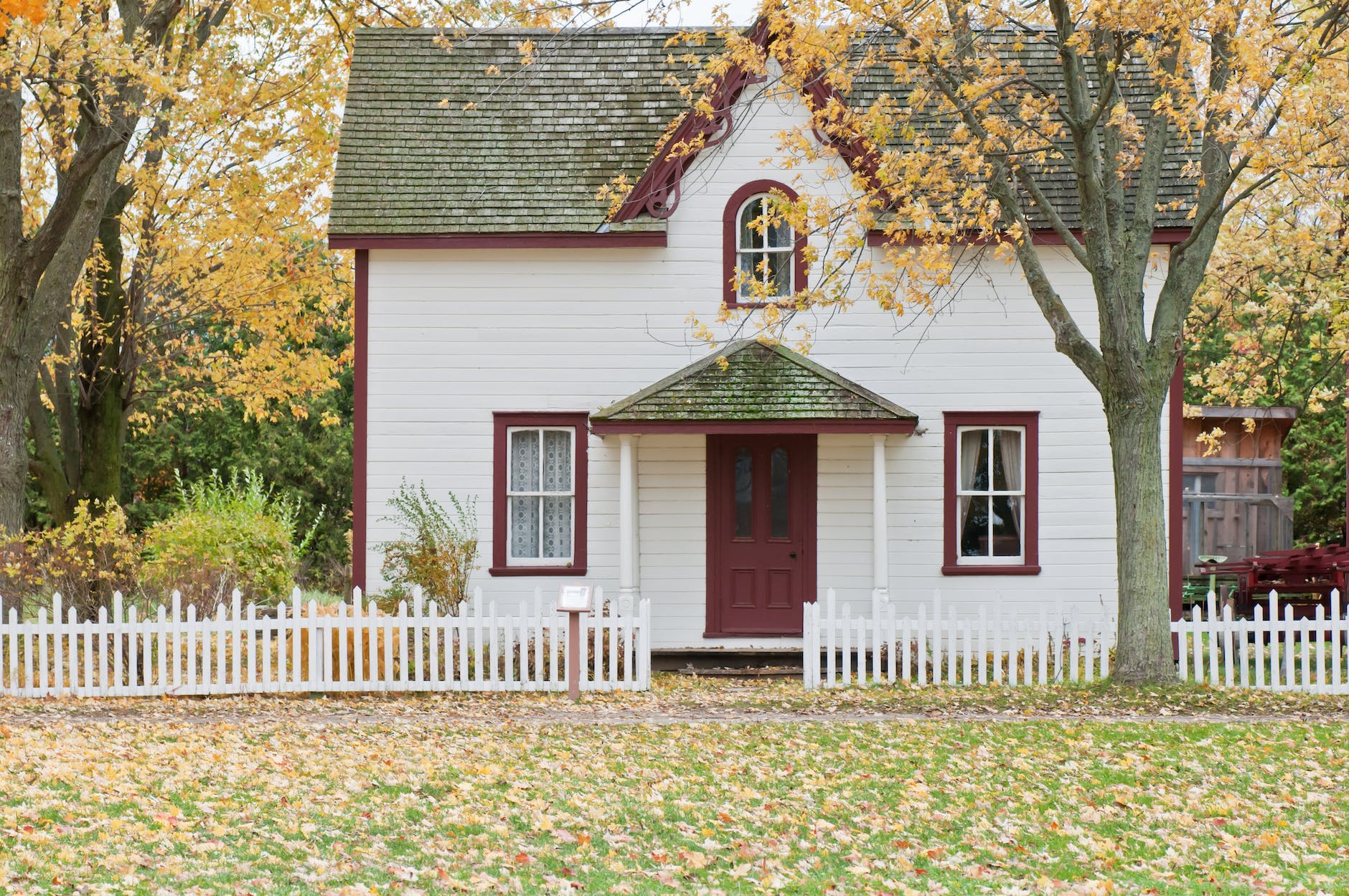
Photo by Jessica Bryant on Pexels.com

Real estate investment can be a lucrative way to grow your wealth and achieve financial freedom. However, it can also be a complex and challenging undertaking, requiring extensive knowledge, time, and resources. This is where real estate agents can be a valuable asset, especially when it comes to accessing resources.

One of the primary benefits of working with a real estate agent is their access to a vast network of industry professionals such as contractors and lenders. This network can help you manage your investment property, make necessary repairs, or secure financing for your investment.

Contractors: As a real estate investor, you may need to make necessary repairs or renovations to your investment property. A real estate agent can connect you with trusted and reliable contractors who can handle the job. These contractors can provide estimates for the cost of repairs, suggest upgrades that can increase your property’s value, and complete the work to a high standard.

Lenders: Securing financing for your investment property can be a challenge, especially if you are new to the real estate industry. A real estate agent can connect you with lenders who specialize in real estate investment financing. These lenders can provide you with information on the various financing options available, help you secure a loan, and provide advice on how to structure your financing to maximize your returns.

Determining the best real estate investment opportunities depends on various factors, such as market trends, population growth, job growth, and overall economic health. Based on these factors, three towns stand out as particularly promising for real estate investment:

Photo by Anete Lusina on Pexels.com

1. Fort Collins, CO:

Consistently ranked among the fastest-growing cities in the US. Strong job growth in tech, renewable energy, and other industries Growing demand for housing due to the expanding population

2. Bend, OR:

Rapid population growth and increasing demand for housing. Expanding tech and tourism industries driving job growth Attractive lifestyle options due to its scenic location and outdoor recreational opportunities

3. Asheville, NC:

Steady population growth and a thriving tourism industry. Increasing demand for housing as more people discover the city’s charm. Growing industries in healthcare, manufacturing, and technology

While these three towns show potential for real estate investment, it’s essential to conduct thorough research and consider personal investment goals and risk tolerance before making any decisions. We also recommend consulting with local real estate experts to gain a deeper understanding of specific neighborhoods and market trends. We can help refer you to a great agent in these areas.

Thinking of moving or investing and need a referral for a Real Estate Broker, we can help connect you: email us at TEAM@McDanielCallahan.com, fill in the form below or call 925-838-4300. Terry McDaniel DRE license #00941526

Go back

Your message has been sent

Warning
Warning
Warning
Warning.

Who do you know that is moving? Where are they moving to and why?

Photo by Artem Podrez on Pexels.com

Deciding to move to a new location is a major life decision that requires careful consideration of multiple factors. From cost of living to weather and climate, lifestyle preferences to family ties, and retirement to job opportunities, there are many factors that can influence a person’s decision to move. By understanding these factors and their importance, people can make informed decisions about where to live and create a fulfilling and satisfying lifestyle. We’ll explore some of the key reasons why people are moving, with real-life examples to illustrate the different factors that come into play when making this important decision.

  1. Cost of living:

One of the primary reasons why people are moving is the cost of living. Some areas of the country are more expensive than others, and many people are seeking out more affordable places to live. For example, retirees on a fixed income may choose to move from expensive coastal cities to more affordable areas in the Midwest or South.

  1. Weather and climate:

Another reason why people are moving is due to weather and climate. Some people are drawn to warm, sunny areas with mild winters, while others prefer cooler climates with distinct seasons. For example, snowbirds may choose to spend winters in Florida or Arizona, while others may choose to move to the Pacific Northwest for its mild summers and beautiful landscapes.

  1. Lifestyle:

People often move to places that align with their lifestyle preferences. For example, people who enjoy outdoor activities like hiking or skiing may choose to move to areas with access to mountains and trails. Those who prefer a slower pace of life may move to smaller towns or rural areas, while those who enjoy a vibrant cultural scene may choose to move to larger cities.

  1. Family:

Family is another important factor that influences people’s decision to move. Many people move to be closer to family members, whether it’s to help care for aging parents, to be closer to grandchildren, or to be with a spouse who has a job in a different location. Others may choose to move away from family members to pursue new opportunities or a change of scenery.

  1. Retirement:

Retirement is a major life event that often prompts people to move. Many retirees choose to move to areas with warm weather, low taxes, and senior-friendly amenities like healthcare facilities and retirement communities. For example, Florida is a popular destination for retirees due to its warm weather and abundance of senior-friendly amenities.

Some examples:

  • Many retirees from the Northeast and Midwest choose to move to Florida or Arizona for the warm weather and affordable cost of living.
  • Some families choose to move to smaller towns or rural areas to escape the fast-paced lifestyle of the city.
  • Many people choose to move to the Pacific Northwest for its mild summers and outdoor activities like hiking and skiing.
  • Some people move to be closer to family members, whether it’s to help care for aging parents or to be with grandchildren.
  • Some retirees choose to move to areas with low taxes and senior-friendly amenities like healthcare facilities and retirement communities.

Overall, there are many reasons why people are moving, and the decision to move is often influenced by a variety of factors such as cost of living, weather and climate, lifestyle preferences, family ties, and retirement. By understanding these factors, people can make informed decisions about where to live and create a fulfilling and satisfying lifestyle.

Need a Real Estate Broker, we can help connect you: email us at TEAM@McDanielCallahan.com, fill in the form below or call 925-838-4300. Terry McDaniel DRE license #00941526

Go back

Your message has been sent

Warning
Warning
Warning
Warning.

The Emotional Side of Moving: How to Cope with the Stress

Photo by Scott Webb on Pexels.com

Moving to a new home can be an exciting and fresh start, but it can also be an emotional rollercoaster. The stress of packing up your belongings, leaving behind familiar surroundings, and adjusting to a new environment can take a toll on your emotional well-being. We will explore the emotional side of moving and provide guidance on how to cope with stress.

Acknowledge your feelings It’s normal to experience a wide range of emotions when moving. From excitement and anticipation to fear and sadness, it’s important to acknowledge and accept your feelings. Don’t try to suppress your emotions or feel guilty for feeling overwhelmed. Instead, allow yourself to feel your emotions and take time to process them.

Stay organized and make a plan One way to alleviate stress is by staying organized and making a plan. Start by creating a moving checklist that includes all the tasks you need to complete before, during, and after the move. Break down the tasks into smaller, manageable steps and give yourself plenty of time to complete them. Having a clear plan can help you feel more in control and reduce feelings of anxiety.

Stay connected with loved ones Leaving behind familiar surroundings and social connections can be difficult. Make an effort to stay connected with loved ones, whether it’s through video calls, social media, or even a simple phone call. Talking to family and friends can help you feel more connected and supported during the transition.

Take care of yourself Moving can be physically and mentally exhausting, so it’s important to prioritize self-care. Make sure you’re getting enough rest, eating healthy, and staying hydrated. Exercise can also help reduce stress and boost your mood. Take breaks when you need them and don’t hesitate to ask for help from family and friends.

Focus on the positives While moving can be stressful, it’s important to focus on the positives. Think about the new opportunities and experiences that await you in your new home. Research your new neighborhood and make plans to explore the area. Embrace the new environment and focus on the potential for growth and positive change.

Moving can be an emotional experience, but there are ways to cope with the stress and anxiety that come with it. By acknowledging your feelings, staying organized, staying connected with loved ones, taking care of yourself, and focusing on the positives, you can make the transition to your new home as smooth and stress-free as possible.

Hiring the right Real Estate agent can also help reduce stress. Need a Real Estate Broker, we can help connect you: email us at TEAM@McDanielCallahan.com, fill in the box below, or call 925-838-4300. Terry McDaniel DRE license #00941526

Go back

Your message has been sent

Warning
Warning
Warning
Warning.

Colorful Colorado, NoCo

Are you considering a move to Northern Colorado? With an abundance of natural beauty, thriving communities, and plenty of outdoor recreational opportunities, Northern Colorado is a great place to call home. Here are some places you might want to consider moving to in Northern Colorado:

Windsor, CO. Nestled between the cities of Fort Collins and Greeley, Windsor has a population of just over 30,000 people and is known for its friendly community, charming downtown area, and ample recreational opportunities. Here are some things to know if you’re considering a move to Windsor.

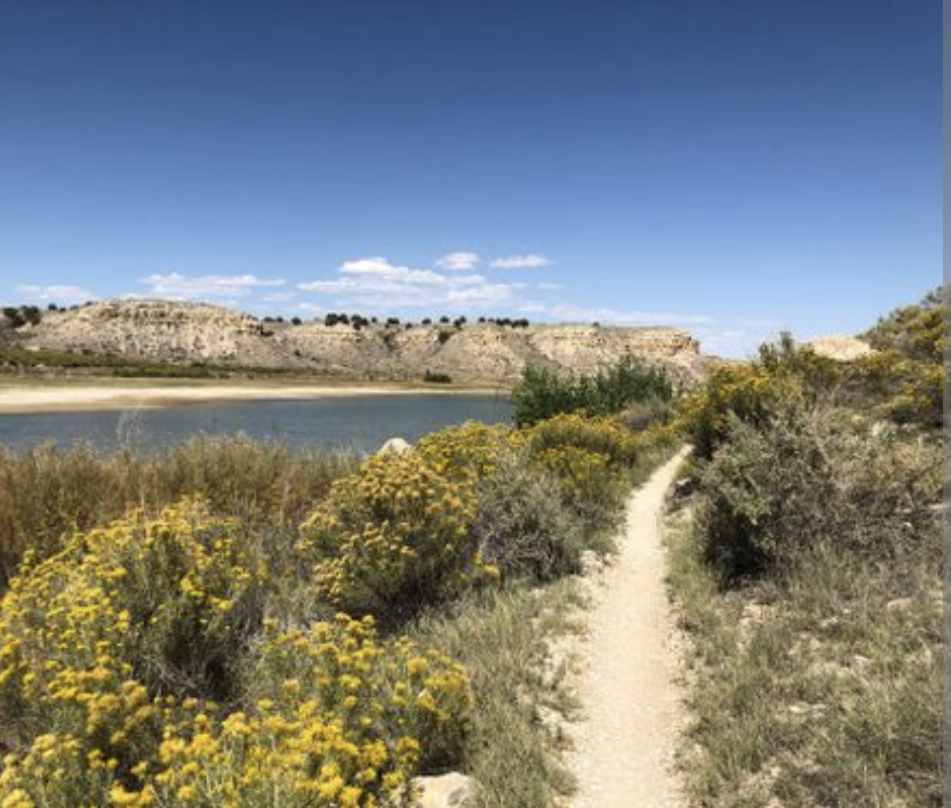
Windsor Lake

Location and Climate

Windsor is located in Weld County, about 60 miles north of Denver. The town is situated in the heart of the Northern Colorado region, surrounded by beautiful natural landscapes including the Rocky Mountains to the west and the plains to the east. Windsor has a semi-arid climate, with warm summers and cold winters. The town receives around 300 days of sunshine each year, making it a great place for outdoor enthusiasts.

Housing and Cost of Living

One of the main draws of Windsor is its affordable cost of living. The town has a variety of housing options, from single-family homes to apartments and townhouses. The median home price in Windsor is around $450,000, which is slightly higher than the national average but still affordable compared to other areas in Northern Colorado. Rent prices are also reasonable, with a one-bedroom apartment averaging around $1,300 per month.

Recreation and Entertainment

Windsor has plenty of options for outdoor enthusiasts, with parks, trails, and recreational facilities scattered throughout the town. The Windsor Community Recreation Center offers a variety of fitness classes and activities, including swimming, basketball, and volleyball. The Poudre River Trail, a 21-mile paved trail, runs through the town and provides access to some of Northern Colorado’s most scenic landscapes. The town is also home to a variety of local restaurants, breweries, and shops, many of which are located in the charming downtown area.

Education and Employment

Windsor is part of the Weld RE-4 School District, which serves students from pre-kindergarten through 12th grade. The district has a strong reputation for academic excellence and offers a variety of extracurricular activities, including sports, music, and theater. For employment, Windsor has a diverse economy with job opportunities in fields such as healthcare, education, manufacturing, and agriculture. The town is also home to several major employers, including Vestas Wind Systems, a global wind turbine manufacturer.

Fort Collins, CO. Located at the foothills of the Rocky Mountains, Fort Collins is known for its outdoor recreation, vibrant downtown area, and excellent quality of life. Here are some things to know if you’re thinking about moving to Fort Collins.

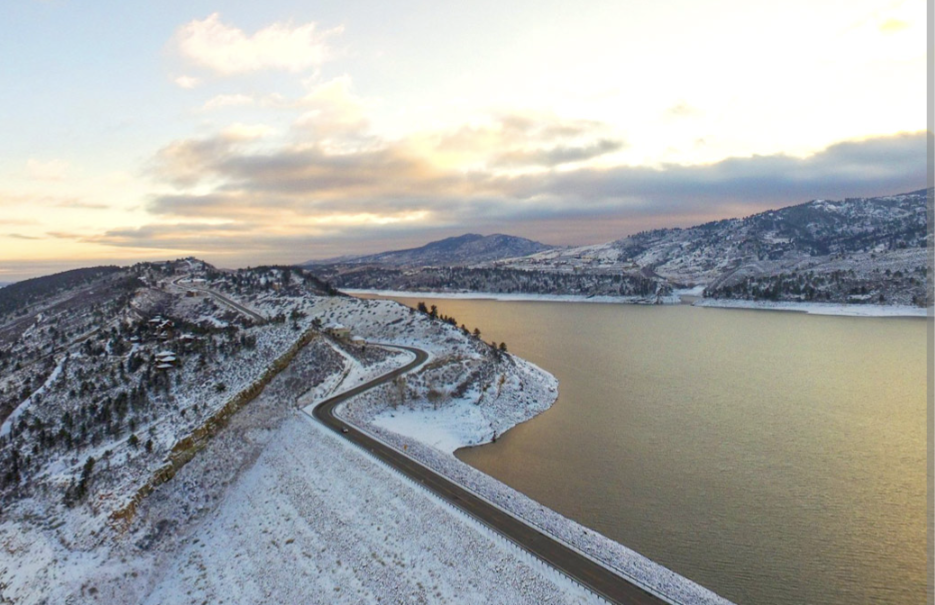
Horsetooth Reservoir

Location and Climate

Fort Collins is located in Larimer County, about an hour’s drive north of Denver. The city is situated at an elevation of 5,000 feet and is surrounded by beautiful natural landscapes, including Horsetooth Reservoir and Lory State Park. Fort Collins has a semi-arid climate, with warm summers and cold winters. The city receives an average of 300 days of sunshine per year, making it a great place for outdoor enthusiasts.

Housing and Cost of Living

One of the main draws of Fort Collins is its affordable cost of living. The city has a variety of housing options, from historic homes to new construction. The median home price in Fort Collins is around $500,000, which is slightly higher than the national average but still reasonable compared to other areas in Colorado. Rent prices are also reasonable, with a one-bedroom apartment averaging around $1,300 per month.

Recreation and Entertainment

Fort Collins is a mecca for outdoor enthusiasts, with numerous parks, trails, and recreational facilities throughout the city. Horsetooth Reservoir is a popular spot for boating, fishing, and swimming, and Lory State Park offers miles of hiking and mountain biking trails. The city is also home to Colorado State University, which brings a youthful energy to the community. The downtown area is a hub of activity, with a variety of local restaurants, breweries, and shops.

Education and Employment

Fort Collins is home to Colorado State University, which is one of the top public universities in the country. The city is also part of the Poudre School District, which serves students from pre-kindergarten through 12th grade. The district has a strong reputation for academic excellence and offers a variety of extracurricular activities, including sports, music, and theater. For employment, Fort Collins has a diverse economy with job opportunities in fields such as healthcare, education, and technology. Major employers in the area include Colorado State University, Hewlett-Packard, and the UCHealth system.

Downtown Fort Collins

Need a Real Estate Broker, we can help connect you: email us at TEAM@McDanielCallahan.com, fill in the box below or call 925-838-4300. Terry McDaniel DRE license #00941526

Go back

Your message has been sent

Warning
Warning
Warning
Warning.

Colorful Colorado

Photo by Austin Sullivan on Pexels.com

Southern Colorado is a beautiful and diverse region, with a wide range of landscapes and communities. If you are considering moving to this area, here are three places you might want to consider:

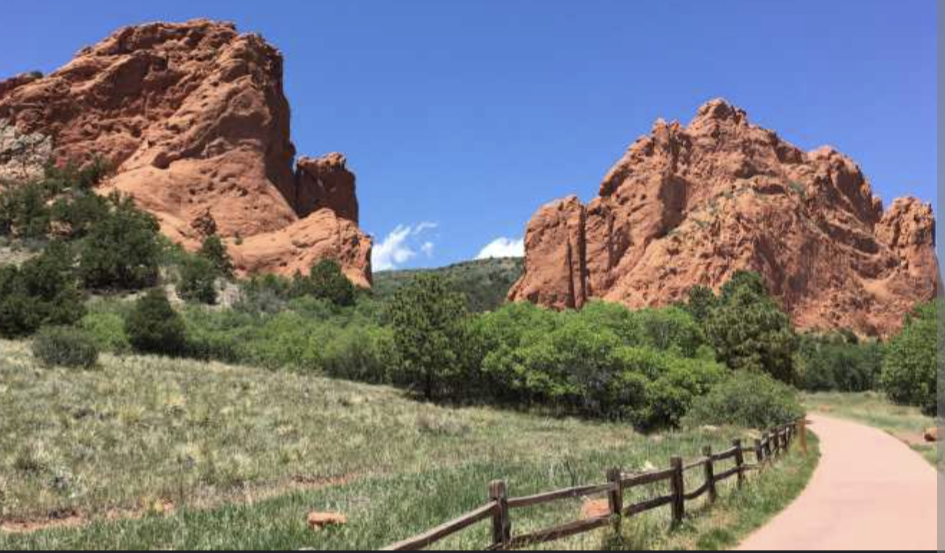
  1. Colorado Springs: Located at the base of Pikes Peak, Colorado Springs is a thriving city with a population of over 465,000 people. It is home to several military installations, including Fort Carson, the Air Force Academy, and NORAD, which gives the city a strong military presence. Job opportunities in Colorado Springs include healthcare, technology, and defense industries. The city also boasts a vibrant arts and culture scene, with numerous museums, galleries, and theaters. Outdoor enthusiasts will appreciate the many parks, trails, and natural attractions in the area, including Garden of the Gods, Cheyenne Mountain State Park, and Pikes Peak.

2. Pueblo: Situated along the Arkansas River, Pueblo is a historic city with a population of around 110,000 people. Known as the “Steel City” for its long history in the steel industry, Pueblo is also home to a thriving agricultural sector. The city is a regional hub for healthcare, education, and retail, and has a diverse economy with opportunities in manufacturing, logistics, and energy. Outdoor recreation is also popular in Pueblo, with access to Lake Pueblo State Park and the nearby Sangre de Cristo Mountains.

3. Durango: Located in the southwestern corner of the state, Durango is a charming mountain town with a population of around 18,500 people. Known for its historic downtown, scenic railway, and proximity to the San Juan Mountains, Durango is a popular tourist destination. However, it is also a great place to live, with a strong sense of community and a thriving arts and culture scene. Durango is home to Fort Lewis College, a small liberal arts school, as well as several outdoor recreation companies and startups. The town is surrounded by stunning natural beauty, with numerous hiking, biking, and skiing opportunities in the nearby mountains.

Whether you are looking for a bustling city, a historic town, or a mountain escape, Southern Colorado has something to offer. These three places are just a few examples of the many great communities in the region, each with its own unique character and charm.

Do you need a Real Estate Broker in Colorado, we can help connect you: email us at TEAM@McDanielCallahan.com, fill in the form below, or call 925-838-4300. Terry McDaniel DRE license #00941526

Go back

Your message has been sent

Warning
Warning
Warning
Warning.

The good old days…

Found this book left in an old office a few years back, times sure have changed, but it does offer practical tips for building.

“Your Dream Home: How to Build it for Less Than $3500” is a book by Hubbard Cobb that provides a comprehensive guide on building an affordable home with a budget of less than $3,500. The book provides practical advice on various aspects of building a home, including designing, planning, and constructing the structure. The author also offers tips on finding cheap or free building materials, such as using recycled or salvaged materials, and provides guidance on reducing labor costs. The book is aimed at people who want to build their own home but have limited financial resources. It is a valuable resource for those looking for practical and creative ways to build an affordable home without compromising on quality or comfort.

Need a Real Estate Broker or contractor referral in your area, we can help connect you: email us at TEAM@McDanielCallahan.com, fill in the box below or call 925-838-4300. Terry McDaniel DRE license #00941526

Go back

Your message has been sent

Warning
Warning
Warning
Warning.

Your Dream Home How to Build it for Less Than 3500

As an Amazon Associate, I earn on qualifying purchases.

Wyoming

Wyoming is a state located in the western region of the United States. It is the least populous state in the country and is known for its natural beauty, including Yellowstone National Park and Grand Teton National Park. While there are many small towns and rural areas throughout Wyoming, there are also several popular neighborhoods in larger cities. Here are four popular neighborhoods in Wyoming:

  1. The Avenues, Cheyenne: The Avenues is a historic neighborhood in the capital city of Cheyenne. It is known for its tree-lined streets, Victorian architecture, and proximity to downtown. The neighborhood is home to many families and professionals.

2. Paradise Valley, Casper: Paradise Valley is a suburban neighborhood in the city of Casper. It is known for its large homes, scenic views, and outdoor recreational opportunities. The neighborhood is popular with families and retirees. Paradise Valley in Casper, Wyoming is known for golf. The neighborhood is home to the Paradise Valley Country Club, which features an 18-hole golf course designed by renowned golf course architect Tom Fazio. The course has been recognized as one of the best in the state and has hosted numerous professional and amateur tournaments over the years. In addition to golf, Paradise Valley Country Club offers a range of amenities, including tennis courts, a swimming pool, and a clubhouse with dining and event spaces. The neighborhood’s proximity to the country club and its beautiful setting in the foothills of Casper Mountain make it a popular choice for golf enthusiasts and outdoor enthusiasts alike.

3. Jackson Hole, Jackson: Jackson Hole is a resort town located near Grand Teton National Park. It is known for its world-class skiing, outdoor recreation, and upscale shops and restaurants. The neighborhood is popular with tourists and wealthy second-home owners.

4. West Side, Cody: The West Side is a historic neighborhood in the town of Cody, located near Yellowstone National Park. It is known for its charming downtown, community events, and proximity to outdoor recreation. The neighborhood is popular with families and retirees.

These are just a few examples of popular neighborhoods in Wyoming. Each has its own unique character and attractions, reflecting the diverse landscapes and communities that make up this beautiful state.

Need a Real Estate Broker, we can help connect you: email us at TEAM@McDanielCallahan.com, fill in the box below, or call 925-838-4300. Terry McDaniel DRE license #00941526

Go back

Your message has been sent

Warning
Warning
Warning
Warning.

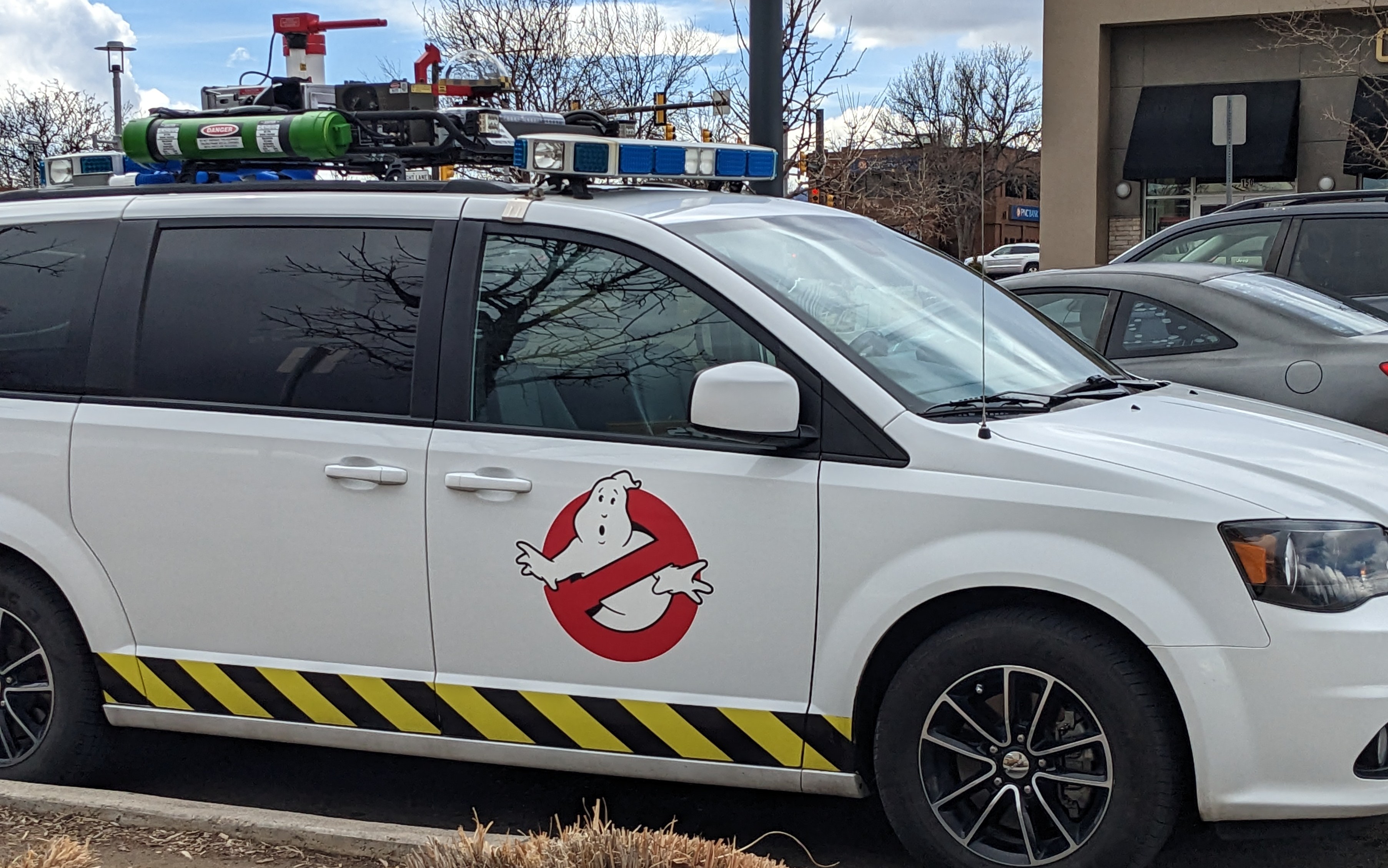
Who you gonna call?

If you’re looking to buy or sell a property, you might be wondering who you should call for your real estate needs. With so many agents and agencies out there, it can be difficult to know where to start. But fear not, because just like Ghostbusters are the experts in busting ghosts, we have years of Real Estate experience to help you with all your property needs.

With our network and experience, we can connect with the right person who has the expertise and can help navigate the often complex and confusing world of property buying and selling with confidence and ease.

Let us know how we can help with your Real Estate needs:

Go back

Your message has been sent

Warning
Warning
Warning
Warning.

Need a Real Estate Broker, we can help connect you: email us at TEAM@McDanielCallahan.com or call 925-838-4300. Or fill in the box above. Terry McDaniel DRE license #00941526

4 things to consider when relocating

Relocating can be both exciting and overwhelming at the same time. Whether you’re moving across town or across the country, there are several important factors to consider to ensure a successful transition. We’ll explore some key things to consider when relocating:

  1. Cost of Living

The cost of living can vary significantly depending on where you’re relocating to. It’s important to research and consider factors such as housing costs and utilities. You should also look into the tax rates of the area and factor that into your budget. Make sure to create a realistic budget to ensure that you can maintain your current lifestyle in your new location.

  1. Housing

When relocating, you’ll need to consider your housing options. Research the housing market in the new location, including the average cost of rent or purchase, the availability of different types of housing, and the quality of the neighborhoods. This will help you determine the best housing option for your needs and budget. If possible, visit the area and tour potential homes or apartments to get a better idea of what you can expect.

  1. Quality of Life

Relocating to a new area can have a significant impact on your quality of life. Consider factors such as climate, culture, and recreational activities. Do you prefer a bustling city or a quieter suburb? Do you enjoy outdoor activities like hiking or skiing? These are important considerations to ensure that you’re happy in your new location. Research the area’s amenities and attractions to get a better idea of what it has to offer.

  1. Social Network

Moving to a new location can be challenging, especially if you don’t know anyone in the area. It’s important to consider your social network and how easy it will be to make new friends. Consider the availability of social events and activities in the area and the friendliness of the local community. Joining local clubs or organizations can be a great way to meet new people and get involved in your new community.

Relocating can be a major life change, but with careful planning and consideration, it can be a smooth and successful transition. By researching and considering factors such as cost of living, job opportunities, housing, quality of life, social network, and transportation, you can make an informed decision and feel confident in your relocation choice.

–Need a Real Estate Broker, we can help connect you: email us at TEAM@McDanielCallahan.com or call 925-838-4300 or fill in the box below. Terry McDaniel DRE license #00941526

Go back

Your message has been sent
Warning
Warning
Warning
Warning.

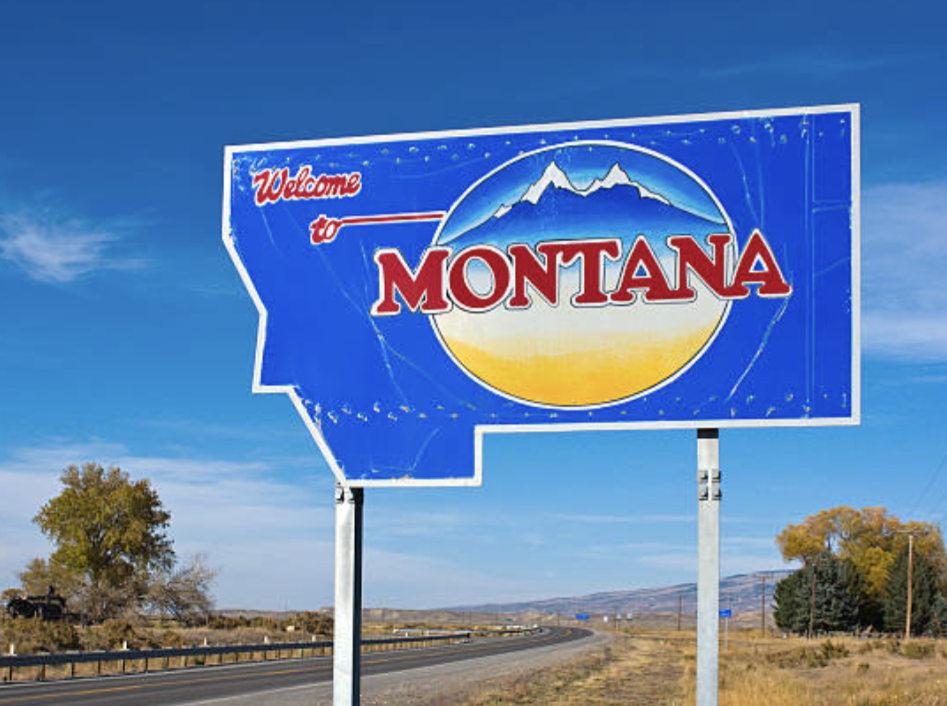
Montana…Big Sky Country

Montana is known for its picturesque scenery, friendly locals, and relaxed way of life. Three places you might consider living in Montana that offer unique and enjoyable experiences:

  1. Livingston: Located along the Yellowstone River, Livingston is a charming and historic town that serves as a gateway to Yellowstone National Park. The town is surrounded by mountains, forests, and rivers, making it an ideal location for outdoor enthusiasts. Livingston is home to a thriving arts community, with many galleries, theaters, and music venues. It also has a low cost of living compared to other areas in Montana.
  2. Red Lodge: Nestled in the Beartooth Mountains, Red Lodge is a small town with a big personality. The town is known for its ski resort, but it also offers many other outdoor activities such as hiking, fishing, and hunting. Red Lodge has a vibrant downtown area with shops, restaurants, and art galleries. The town hosts many festivals and events throughout the year, including the Red Lodge Music Festival and the Beartooth Rally.
  3. Ennis: Located in southwestern Montana, Ennis is a small town surrounded by mountains, rivers, and forests. The town is known for its excellent fly fishing opportunities, as it sits on the banks of the Madison River. Ennis also has a rich history, with many historic buildings and landmarks. The town has a strong sense of community and hosts many events and festivals throughout the year, including the Ennis Trout Festival and the Madison County Fair.

Montana is the fourth largest state in terms of area, but it is one of the least populous, with a population of just over 1 million people.

Montana is known for its diverse geography, which includes the Rocky Mountains, the Great Plains, and a number of large rivers, including the Missouri and Yellowstone Rivers. The state is also home to several national parks, including Glacier National Park and Yellowstone National Park, as well as a number of smaller state parks and wilderness areas.

Montana’s economy is based on a variety of industries, including agriculture, mining, tourism, and manufacturing. The state is a major producer of wheat, barley, and other grains, as well as beef and other livestock. The mining industry is also important, with significant deposits of coal, oil, and natural gas found in the state. Tourism is also a major industry, with millions of visitors drawn to Montana’s natural beauty and outdoor recreational opportunities each year.

Need a Real Estate Broker, we can help connect you: mail us at TEAM@McDanielCallahan.com or call 925-838-4300 or you can fill out the box below. Terry McDaniel DRE license #00941526

Go back

Your message has been sent

Warning
Warning
Warning
Warning.