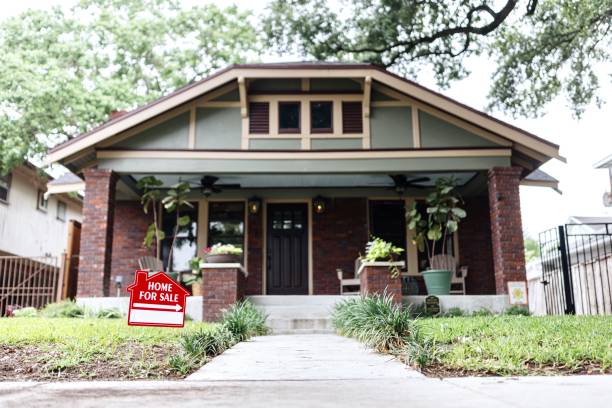
Off-Market Homes: The Hidden Gems Worth Looking For

When you think about buying a home, you probably imagine scrolling through listings on Zillow or browsing your agent’s MLS feed. But did you know some of the best homes aren’t listed on the MLS at all?

These are called off-market or non-MLS listings, and while they’re not as easy to find, they can be worth the extra effort.

Why Buy an Off-Market Home?

  • Less Competition: Without the exposure of the MLS, off-market homes often have fewer buyers vying for them, which can give you negotiating power.
  • Motivated Sellers: Many off-market sellers are exploring the idea of selling but haven’t committed yet, which can create room for flexible terms.
  • Unique Opportunities: From homes passed down in families to sellers trying to avoid the spotlight, off-market deals often have a story behind them—and a good deal waiting to be made.

How Do You Find These Homes?

  • Work with a connected agent. Real estate agents with strong local networks often know about homes before they hit the market.
  • Let friends and neighbors know. Word-of-mouth can be powerful.
  • Check rental listings or expired listings. Sometimes owners are on the fence about selling and just need the right offer.

Buying a home that’s not on the MLS takes creativity, patience, and the right real estate partner. But if you’re willing to look beyond the obvious, you might just find a hidden gem before anyone else knows it’s available.

If you’re considering a move or investment and require a trusted Real Estate Broker, we’re here to assist you. Contact us via email at TEAM@McDanielCallahan.com, complete the form below, or give us a call at 925-838-4300. We are ready to provide expert guidance and support for all your real estate needs. Terry McDaniel DRE License #00941526

Go back

Your message has been sent

Warning
Warning
Warning
Warning.

Living in Galloway, OH: Small-Town Charm with Big-Time Convenience

Looking for a place that feels like home the moment you arrive? Galloway, Ohio might just be your perfect match.

Located just west of Columbus, Galloway offers a peaceful, suburban vibe with easy access to the perks of city life. It’s the kind of place where neighbors wave, kids ride bikes after school, and local coffee shops remember your order.

Why People Love Living in Galloway

1. Suburban Comfort Meets City Convenience
Galloway is close enough to Columbus for an easy commute, but far enough away to enjoy quiet evenings and a slower pace. You get the best of both worlds—less traffic, more space, and still close to the action.

2. Great Schools & Family-Friendly Atmosphere
Part of the South-Western City School District, Galloway is home to families who value strong community ties and quality education. With parks, playgrounds, and youth sports leagues.

3. Outdoor Spaces & Nature Nearby
Galloway offers easy access to the Prairie Oaks Metro Park, Battelle Darby Creek, and scenic walking trails. Whether you’re into hiking, kayaking, or simply taking a peaceful stroll, nature is always close.

4. Affordable Housing Options
Compared to Columbus proper, Galloway offers more house for your money. You’ll find everything from cozy starter homes to spacious newer builds, all with that charming Midwest affordability.

5. Strong Community Feel
What really sets Galloway apart is its people. It’s a town where community events bring folks together, and where local businesses know your name. Whether you’re new to town or a lifelong resident, you’ll feel welcome here.

Thinking About Making a Move?
Whether you’re buying your first home or looking for a quieter place to grow roots, Galloway has a lot to offer. Let’s talk about whether it’s the right fit for you—

https://www.ferrarihomegroup.com/property-search/detail/111/225010358/585-trillium-dr-galloway-oh-43119/?fbclid=IwY2xjawJ3e4pleHRuA2FlbQIxMQABHiwgprwZltHnRvdsH-bKWIjr6gmnWbrY0LfUcOpE3OOW3oOGIfuS_8QwNQkc_aem_lc_7_Lq9jQqc064Z9osTPQ

If you’re considering a move or investment and require a trusted Real Estate Broker, we’re here to assist you. Contact us via email at TEAM@McDanielCallahan.com, complete the form below, or give us a call at 925-838-4300. We are ready to provide expert guidance and support for all your real estate needs. Terry McDaniel DRE License #00941526

Go back

Your message has been sent

Warning
Warning
Warning
Warning.

📏 Real Estate Tips: What You Need to Know About Property Lines Before You Buy

When you’re house hunting, it’s easy to get caught up in the big things—bedroom count, kitchen upgrades, curb appeal. But here’s a real estate tip that’s just as important (and often overlooked): know where the property lines are.

Why Property Lines Matter:

Understanding your property boundaries is more than just knowing where to mow the lawn. It can impact everything from fencing and landscaping to future additions and even neighbor relations. Here’s what to keep in mind:

🧭 1. Don’t Assume—Verify

Fences, trees, and driveways can be deceiving. Just because something looks like it marks the property line doesn’t mean it legally does. Always check.

📄 2. Review the Survey

A property survey is the best way to know exactly what you’re buying. Ask the seller for a recent one—or pay to have a new one done. It’ll show the lot boundaries, structures, easements, and more.

🚧 3. Pay Attention to Easements

An easement gives someone else the right to use part of your property for a specific reason (like utility access). They can affect what you can and can’t do on certain parts of your land.

🏡 4. Don’t Skip the Title Search

Your title company will usually check for property boundary disputes or encroachments, which can save you from future headaches.

🧱 5. Planning Projects? Know Before You Build

Thinking of adding a fence, deck, or garage later on? You’ll need to build within your legal boundaries—and often get permits too. Knowing your lines helps avoid costly mistakes or neighbor disputes.

Property lines might not be the most glamorous part of the homebuying process, but they’re definitely one of the most important. Knowing exactly what’s yours helps protect your investment, plan your future projects, and live with peace of mind.

If you’re considering a move or investment and require a trusted Real Estate Broker, we’re here to assist you. Contact us via email at TEAM@McDanielCallahan.com, complete the form below, or give us a call at 925-838-4300. We are ready to provide expert guidance and support for all your real estate needs. Terry McDaniel DRE License #00941526

Go back

Your message has been sent

Warning
Warning
Warning
Warning.

🛠️ Buying a Flipped House? Don’t Forget to Ask for Permits!

Flipped homes can be incredibly appealing. They often look modern, fresh, and move-in ready—with new floors, updated kitchens, and beautiful bathrooms. But before you fall in love with the shiny finishes, there’s one crucial step you shouldn’t skip: Ask to see the permits for the renovations.

Why Permits Matter:

  • Safety First. Permits ensure that the work was done according to building codes, meaning it meets safety standards for electrical, plumbing, and structural updates.
  • Protect Your Investment. Unpermitted work can come back to haunt you, causing costly repairs down the road—or worse, forcing you to undo and redo the work legally.
  • Insurance and Resale. If something goes wrong and the work wasn’t permitted, your insurance may not cover damages. Plus, when you sell the home, buyers (and their lenders) may hesitate if they find unpermitted improvements.

What to Ask:

  • Were permits pulled for major work? (Think plumbing, electrical, structural changes, additions, HVAC.)
  • Were inspections completed? Permits often require a final inspection to be officially “closed.”
  • Can you see the documentation? A reputable flipper will have no problem providing copies.

Red Flags to Watch For:

  • New kitchens, bathrooms, or walls with no permit documentation.
  • Sellers who downplay the need for permits or are vague about the work done.
  • Flips that were completed unusually fast—sometimes speed means corners were cut.

A beautifully flipped home can absolutely be a smart purchase—but only if the work behind the walls is as solid as the finishes you see. Protect yourself by asking smart questions and requesting the paperwork. Your future self will thank you!

If you’re considering a move or investment and require a trusted Real Estate Broker, we’re here to assist you. Contact us via email at TEAM@McDanielCallahan.com, complete the form below, or give us a call at 925-838-4300. We are ready to provide expert guidance and support for all your real estate needs. Terry McDaniel DRE License #00941526

Go back

Your message has been sent

Warning
Warning
Warning
Warning.

What Is a Seller Rent-Back and How Can It Strengthen Your Offer?

Crafting a winning offer is about more than just the price. Terms matter—and one powerful strategy that can help your offer stand out is offering a seller rent-back. But what exactly does that mean?

🏡 What Is a Seller Rent-Back?

A seller rent-back, also known as a post-settlement occupancy agreement, allows the seller to remain in the home for a period of time after the sale has closed. Essentially, the buyer becomes the new owner, but the seller rents the home back—usually for a short term—while they finish moving out or transition to their next home.

This arrangement is legally documented and includes details like:

  • How long the seller will stay
  • How much they’ll pay in rent (if anything)
  • The terms of insurance, utilities, and liability

💡 Why Would a Seller Want This?

Moving is stressful. If the seller is also buying a new home, the timing doesn’t always align perfectly. Rent-back gives them breathing room. It can help them:

  • Avoid double moves or temporary housing
  • Coordinate closing dates on both ends
  • Feel less rushed, especially during big life transitions

💪 How a Rent-Back Can Strengthen Your Offer

When sellers are reviewing multiple offers, flexibility often wins. By offering a rent-back period, you show that you’re willing to meet the seller’s needs—not just financially, but logistically.

Here’s how it can tip the scales in your favor:

  • It gives you a competitive edge, even if your offer isn’t the highest.
  • It shows empathy, which can build rapport and trust.
  • It reduces stress for the seller, making your offer more attractive.

Some buyers even offer a free rent-back period (within lender guidelines) as a bonus to sweeten the deal.

⚠️ A Few Things to Keep in Mind

  • Rent-back agreements are legally binding—get it in writing.
  • Confirm how it affects your homeowner’s insurance and financing.
  • Check with your lender—many allow a rent-back for up to 60 days.

A seller rent-back can be a simple yet powerful way to make your offer more appealing. It’s a small act of flexibility that speaks volumes in a competitive market. Work with your real estate agent to craft a thoughtful, well-documented rent-back offer that protects everyone—and puts you in the best position to land your dream home.

If you’re considering a move or investment and require a trusted Real Estate Broker, we’re here to assist you. Contact us via email at TEAM@McDanielCallahan.com, complete the form below, or give us a call at 925-838-4300. We are ready to provide expert guidance and support for all your real estate needs. Terry McDaniel DRE License #00941526

Go back

Your message has been sent

Warning
Warning
Warning
Warning.

Why Is the Seller Moving? Does It Really Matter?

If you’ve ever been to an open house, chances are you’ve heard—or asked—this question: “Why are the sellers moving?” It’s one of the most common curiosities buyers have. But when it comes to making a smart decision on a home, how much does the answer really matter?

Let’s break it down.

Human Curiosity vs. Strategic Importance

It’s totally natural to be curious. We all want the inside scoop: Did they get a new job? Are they downsizing? Is something wrong with the house? Knowing the backstory feels like it could offer hidden insights—but most of the time, it doesn’t tell the full story.

The truth is, people move for a million different reasons:

  • Job relocation
  • Growing family
  • Downsizing after kids leave home
  • Wanting a different school district
  • Lifestyle change
  • Financial adjustments

Most of these reasons say more about the seller’s life than the home itself.

What You Should Be Focusing On

Rather than focusing too heavily on why the seller is moving, buyers are better served by focusing on questions that actually affect them and their investment. Here are a few that matter more:

  • How long has the home been on the market?
  • Are there any known issues with the property?
  • What have similar homes sold for recently in this area?
  • What’s the seller’s timeline or motivation? (This can affect negotiation.)
  • Is the home priced appropriately based on condition and market trends?

These questions help you make a more informed, strategic offer—and they put you in control of your buying decision.

A Note on Negotiation

Sometimes the reason a seller is moving can offer context for negotiating—if they need to move quickly due to a job transfer or divorce, for example. But even then, the real value comes from understanding their timeline and urgency, not necessarily the personal details behind it.

While it’s okay to ask why a seller is moving, just know it’s often a curiosity-driven question, not a deal-defining one. The better strategy is to focus on the property, the market, and your own needs as a buyer.

In real estate, the smartest buyers are the ones who stay curious—but also stay focused on what really matters.

If you’re considering a move or investment and require a trusted Real Estate Broker, we’re here to assist you. Contact us via email at TEAM@McDanielCallahan.com, complete the form below, or give us a call at 925-838-4300. We are ready to provide expert guidance and support for all your real estate needs. Terry McDaniel DRE License #00941526

Go back

Your message has been sent

Warning
Warning
Warning
Warning.

What Does “Motivated Seller” Really Mean? Let’s Talk About It

If you’ve spent any time scrolling through real estate listings, you’ve probably seen the phrase “motivated seller” pop up a few times. It sounds intriguing, right? Maybe even like a good deal is right around the corner. But what does it really mean—and what should you do when you see it?

As a real estate agent, I get this question often, so let’s break it down.

The Basics:

“Motivated seller” means the person selling the home is eager to make a deal. This could be for any number of reasons: a job relocation, financial pressure, a family situation, or just wanting to move on to the next chapter quickly. Whatever the reason, they’re signaling to buyers that they’re open to offers and willing to negotiate.

But Here’s the Key: Motivation Doesn’t Equal Desperation

A motivated seller is not always a desperate seller. Sometimes it just means they’re flexible, realistic, and ready to move forward. It doesn’t automatically mean you’ll get the home for a rock-bottom price—but it does mean you may have some room to negotiate, especially on price, closing costs, or timeline.

How to Approach It as a Buyer

If you’re interested in a property marked with “motivated seller,” it’s a great time to:

  • Work closely with your agent (hey, that’s me!) to understand the seller’s priorities.
  • Make a strong offer, especially if you’re serious. A clean, well-prepared offer can stand out.
  • Be ready to move quickly. Sellers who are motivated usually want a smooth and swift transaction.

Ask the Right Questions

Your agent can often find out more behind the scenes. For example, are there other offers? Has the home been on the market a while? Are there any red flags in the disclosure? These details help guide how aggressive (or cautious) your offer should be.

Bottom Line:

“Motivated seller” is an invitation to look a little closer. It’s not a guarantee of a deal, but it often means a more willing and open seller—someone who wants to work with a serious buyer. And that can be a great opportunity when handled strategically.

So next time you spot those two little words, don’t scroll past—give your agent a call and find out more. It might just be the opening you’ve been looking for.

If you’re considering a move or investment and require a trusted Real Estate Broker, we’re here to assist you. Contact us via email at TEAM@McDanielCallahan.com, complete the form below, or give us a call at 925-838-4300. We are ready to provide expert guidance and support for all your real estate needs. Terry McDaniel DRE License #00941526

Go back

Your message has been sent

Warning
Warning
Warning
Warning.

Communication Is Key: Set the Tone Early With Your Real Estate Agent

When it comes to buying or selling a home, there’s one theme I’ve been hearing again and again lately—and it’s absolutely true: communication is the most important part of the transaction.

Think about it. A home purchase or sale involves a lot of moving parts: deadlines, paperwork, negotiations, inspections, and emotions. Without clear, consistent communication between you and your agent, things can get confusing fast.

That’s why it’s so important to establish a communication system with your agent right from the start. Do you prefer text, email, or phone calls? Are you available during business hours, or do you need updates after work? Maybe you’d like a weekly check-in, even if there’s nothing urgent.

Don’t be afraid to speak up. When both you and your agent are on the same page, the entire process runs more smoothly, misunderstandings are avoided, and you’re more likely to reach your goals without unnecessary stress.

At the end of the day, great communication builds trust—and trust builds success. Whether you’re buying your first home or selling your tenth, take the time to talk about how you’ll stay connected.

It’s a simple step, but it might just be the most powerful one.

If you’re considering a move or investment and require a trusted Real Estate Broker, we’re here to assist you. Contact us via email at TEAM@McDanielCallahan.com, complete the form below, or give us a call at 925-838-4300. We are ready to provide expert guidance and support for all your real estate needs. Terry McDaniel DRE License #00941526

Go back

Your message has been sent

Warning
Warning
Warning
Warning.

Dealing with Nitpicky Buyers During Home Inspections: A Seller’s Guide

Selling a home is a complex process, and one of the most frustrating hurdles for sellers often comes during the inspection phase. After agreeing on a sale price, buyers may submit a laundry list of repair requests—many of which seem minor, cosmetic, or even petty. This nitpicking can feel like a backdoor attempt to renegotiate the deal, leaving sellers irritated and defensive. But don’t worry! With the right mindset and strategies, you can navigate this challenge smoothly and keep the sale on track. Here’s how to handle nitpicky buyers during inspections while protecting your interests and maintaining your sanity.

Why Buyers Get Nitpicky During Inspections

Before diving into solutions, it’s helpful to understand why buyers may request excessive repairs or concessions. Inspections are a buyer’s opportunity to thoroughly evaluate the property, and their requests often stem from:

  • First-Time Buyer Anxiety: Inexperienced buyers may overestimate the significance of minor issues, fearing they’ll face costly repairs later.
  • Maximizing Value: Some buyers see inspections as a chance to squeeze extra concessions, hoping to lower their overall costs.
  • Misguided Advice: Overzealous inspectors or agents might encourage buyers to request repairs for every issue, no matter how small.
  • Emotional Leverage: Buyers may feel attached to the home but use repair requests to gain a sense of control in negotiations.

Understanding these motivations can help you respond strategically rather than emotionally. Now, let’s explore practical ways to handle nitpicky buyers.

Strategies for Handling Excessive Repair Requests

  1. Set Realistic Expectations from the Start
    Work with your real estate agent to prepare for the inspection phase before listing your home. Discuss common inspection issues in your area and price your home to reflect its condition. For example, if your home is older, buyers will likely expect some wear and tear. Disclosing known issues upfront (like a dated HVAC system) can reduce surprises and limit nitpicking later. Transparency builds trust and sets the stage for smoother negotiations.
  2. Get a Pre-Listing Inspection
    One proactive step is to order a pre-listing home inspection. This allows you to identify and address major issues before buyers even see the property. By fixing critical problems or adjusting your asking price to account for them, you reduce the likelihood of buyers using the inspection to demand concessions. Plus, sharing the pre-inspection report with buyers signals confidence in your home’s condition, discouraging frivolous requests.
  3. Review Repair Requests Objectively
    When you receive the buyer’s repair list, take a deep breath and review it with your agent. Separate legitimate concerns (e.g., a leaky roof or faulty wiring) from minor or cosmetic issues (e.g., chipped paint or worn carpet). Focus on addressing items that impact safety, functionality, or the home’s value. For example, fixing a broken furnace is worth prioritizing, but repainting a room in a buyer’s preferred color is not. An objective approach keeps emotions in check and helps you negotiate effectively.
  4. Negotiate Strategically
    You don’t have to agree to every repair request. Work with your agent to craft a response that balances goodwill with firmness. Here are some options:
    • Offer Repairs for Major Issues: Agree to fix significant problems to keep the buyer satisfied and the deal moving forward.
    • Provide a Credit Instead: Instead of making repairs, offer a closing cost credit or price reduction. This gives buyers flexibility to handle minor fixes themselves.
    • Push Back on Cosmetic Requests: Politely decline requests for non-essential or subjective changes, explaining that the home was priced based on its current condition.
    • Meet in the Middle: If the buyer’s list is long but includes some valid points, propose a compromise, like splitting repair costs or addressing a few key items.
    Your agent can help frame your response diplomatically to maintain a positive relationship with the buyer.
  5. Know When to Walk Away
    If a buyer’s demands are unreasonable and they refuse to budge, be prepared to walk away. This is especially true if you’re in a seller’s market with strong demand for homes. Trust your agent’s advice on whether the buyer’s requests are deal-breakers or if another offer might be a better fit. Holding firm can sometimes prompt buyers to reconsider their stance.
  6. Lean on Your Agent’s Expertise
    A skilled real estate agent is your best ally during inspection negotiations. They can assess the buyer’s requests, compare them to local market norms, and advise you on which battles to fight. They’ll also communicate with the buyer’s agent to keep discussions professional and productive. If your agent suspects the buyer is trying to renegotiate the price, they can tactfully address this and refocus the conversation on the original agreement.

Tips to Minimize Nitpicking Before It Starts

  • Stage Your Home Thoughtfully: A well-maintained, clean home creates a positive impression and reduces the likelihood of buyers fixating on minor flaws.
  • Highlight Recent Upgrades: If you’ve replaced the roof, updated plumbing, or made other improvements, share this with buyers to instill confidence in the home’s condition.
  • Price Competitively: A fairly priced home leaves less room for buyers to justify excessive concessions. Overpricing, on the other hand, can invite scrutiny.
  • Include a Home Warranty: Offering a home warranty can reassure buyers about potential repairs, reducing their urge to nitpick during inspections.

Maintaining Perspective

It’s easy to take nitpicky repair requests personally, especially if you’ve poured time and love into your home. Remember that inspections are a standard part of the home-selling process, and most buyers aren’t trying to offend you—they’re just protecting their investment. By staying calm, working closely with your agent, and focusing on the big picture (closing the sale!), you can navigate this phase with confidence.

Nitpicky buyers during inspections can test your patience, but they don’t have to derail your home sale. By preparing in advance, responding strategically, and leaning on your agent’s expertise, you can address repair requests without feeling taken advantage of. Keep your eyes on the goal—handing over the keys and moving on to your next chapter. With the right approach, you’ll turn a potential annoyance into a manageable step toward a successful sale.

If you’re considering a move or investment and require a trusted Real Estate Broker, we’re here to assist you. Contact us via email at TEAM@McDanielCallahan.com, complete the form below, or give us a call at 925-838-4300. We are ready to provide expert guidance and support for all your real estate needs. Terry McDaniel DRE License #00941526

Go back

Your message has been sent

Warning
Warning
Warning
Warning.

Making Your Offer Stand Out with an Escalation Clause

In a competitive real estate market, it’s not uncommon for desirable homes to receive multiple offers. If you’ve found “the one” and are concerned about being outbid by just a few thousand dollars, an escalation clause might be a smart tactic to consider.

What’s an Escalation Clause?

An escalation clause is a powerful tool that can automatically increase your offer if the seller receives a competing bid. As Investopedia explains:

“An escalation clause is a way to automatically escalate your bid by a certain dollar amount, up to a certain ceiling, to compete with other bids.”

In other words, you’re letting the seller know: I want this home, and I’m willing to beat other offers—within reason.

How It Works

Let’s say you’re offering $400,000 on a home, and you include an escalation clause that says you’ll beat any competing offer by $2,000, up to a maximum of $415,000. If another buyer comes in at $405,000, your offer automatically increases to $407,000.

This helps you stay competitive without overpaying from the start. It also shows the seller that you’re serious and prepared.

What to Watch For

Before including an escalation clause, talk it through with your real estate agent. They’ll help you assess:

  • Your Comfort Zone: Only escalate to a number you’re genuinely comfortable with. Don’t let emotions push you beyond your financial limits.
  • Appraisal Risk: If your escalated offer exceeds what the home is likely to appraise for, you might have to make up the difference in cash. This can be a deal-breaker if you’re not prepared.
  • Market Conditions: In a hot market, escalation clauses can be useful. But in a slower market, they might be unnecessary—or even a turn-off to some sellers.

Bottom Line

An escalation clause can be an effective strategy to give your offer an edge—but it’s not a one-size-fits-all solution. Work closely with your real estate agent to determine if this approach aligns with your goals, the home’s value, and the level of competition in your area.

Buying a home is both emotional and strategic. With the right tools—and guidance—you’ll be better equipped.

If you’re considering a move or investment and require a trusted Real Estate Broker, we’re here to assist you. Contact us via email at TEAM@McDanielCallahan.com, complete the form below, or give us a call at 925-838-4300. We are ready to provide expert guidance and support for all your real estate needs. Terry McDaniel DRE License #00941526

Go back

Your message has been sent

Warning
Warning
Warning
Warning.