Does Moving Up Make Sense? Key Questions to Consider

Are you at a crossroads in your homeownership journey, wondering if it’s time to move into a larger or more desirable home? It’s a significant decision that requires careful consideration. By asking yourself a few essential questions, you can gauge whether it’s the right time to take that next step.

1. Have You Built Substantial Equity? One crucial factor in deciding to move up is the equity you’ve accumulated in your current home. Check your mortgage statement or consult your lender to determine the amount of equity you’ve built. Typically, equity grows slowly in the initial years of a mortgage, but if you’ve owned your home for five years or more, you might have substantial, unrealized gains.

2. Has Your Financial Situation Improved? Evaluate your financial situation. If your income has increased, you might be in a better position to handle higher mortgage payments and the expenses associated with moving.

3. Have You Outgrown Your Neighborhood? Lifestyle changes can significantly impact your housing needs. Consider whether your current neighborhood aligns with your long-term goals. Factors such as proximity to work, school districts, and local amenities may have shifted in importance since you first chose your home.

4. Is Remodeling Feasible? While moving is one option, it’s not the only solution. Assess whether remodeling or expanding your current home is a practical choice. You might be able to create more space by adding a new room or building upward. However, limitations such as property size, local regulations, or a simple lack of interest in remodeling could lead you to conclude that moving is the best way forward.

Deciding whether to move up in the housing market is a significant decision that involves several factors. By evaluating your equity, financial situation, neighborhood preferences, and remodeling options, you can gain clarity on whether it’s the right time for a change. Careful consideration of these questions will help you make an informed choice that aligns with your evolving needs and aspirations.

If you’re considering a move or investment and require a trusted Real Estate Broker, we’re here to assist you. Contact us via email at TEAM@McDanielCallahan.com, complete the form below, or give us a call at 925-838-4300. We are ready to provide expert guidance and support for all your real estate needs. Terry McDaniel DRE License #00941526

Go back

Your message has been sent

Warning
Warning
Warning
Warning.

Homebuying Stress vs. Dating: What Recent Buyers Really Think

Buying a home or dating – which one’s more stressful? The answer might surprise you. According to a recent survey commissioned by Redfin, nearly 59% of recent U.S. homebuyers believe that purchasing a house is more anxiety-inducing than navigating the world of dating. Let’s delve into the findings of this intriguing survey and understand the factors that contribute to this perception.

Homebuying: More Stressful Than Dating?

In a world where first dates, swipes, and romantic encounters can leave your heart racing, it’s fascinating to note that a significant majority of recent homebuyers find the process of buying a house even more stressful. What’s even more intriguing is that this perception varies across generations.

Generational Perspectives

Millennials and Gen Xers, often associated with digital dating woes and relationship complexities, surprisingly top the charts in perceiving homebuying as more stressful. These younger generations, who have grown up in a digital age, seem to find solace in navigating the intricacies of modern romance.

On the flip side, Baby Boomers, with their wealth of experience in both life and real estate, are more likely to think that dating is the more taxing endeavor. This perspective shift might be due to the wisdom that comes with age, where dating hurdles are better understood and anticipated.

Divorce and Finding a Job: The Real Stressors

While buying a home may be stressful, it’s reassuring to know that there are life events even more anxiety-inducing for respondents. Divorce and finding a new job ranked as the top two stressors, with 57% and 56% of respondents respectively deeming them more stressful than homebuying.

Race and Perception

The survey also uncovered interesting differences in perception based on race. White respondents were more likely to consider buying a home more stressful than getting into college, while Black respondents held the opposite view. These differences could be attributed to financial barriers, discrimination experiences, and personal backgrounds.

In conclusion, while the journey to homeownership may be a daunting one for many, it’s comforting to know that you’re not alone in finding it stressful. Your perceptions may vary depending on your generation, experiences, and background. Regardless, remember that finding the right home and the right partner both require patience, persistence, and the right support system. So, whether you’re swiping right or house hunting, you’re not alone in navigating life’s adventures.

https://www.redfin.com/news/homebuying-more-stressful-than-dating-survey/#:~:text=59%25%20of%20Recent%20Homebuyers%20Say%20Process%20Is%20More%20Stressful%20Than%20Dating

If you’re considering a move or investment and require a trusted Real Estate Broker, we’re here to assist you. Contact us via email at TEAM@McDanielCallahan.com, complete the form below, or give us a call at 925-838-4300. We are ready to provide expert guidance and support for all your real estate needs. Terry McDaniel DRE License #00941526

Go back

Your message has been sent

Warning
Warning
Warning
Warning.

Mastering Real Estate Photography: Tips for Stunning Listings

First impressions are everything, great photography can make all the difference in selling or renting a property quickly and at the right price. With most potential buyers and renters browsing listings on their smartphones, it’s essential to capture the essence of a property in a visually appealing and informative way. In this guide, we’ll delve into some expert tips to help you excel in real estate photography.

1. Prepare the Space

Before you even pick up your camera, make sure the property is neat and tidy. A clean space not only looks more appealing but also photographs better. Here’s what you should do:

  • Declutter: Remove personal items, excess decor, and anything that might distract from the property’s features. This includes toiletries out of the showers, family photos, and excessive personal belongings.
  • Clear Countertops: Keep kitchen and bathroom countertops as clear as possible. Fewer items on surfaces create a sense of spaciousness and cleanliness.
  • Clean Thoroughly: Dust surfaces, vacuum carpets, and mop floors. Pay extra attention to the bathroom and kitchen, removing any signs of water stains or soap scum.

2. Harness Natural Light

Good lighting is key to captivating real estate photos. Whenever possible, utilize natural light to your advantage:

  • Open Windows and Curtains: Let natural light flood into the rooms. Natural light creates a warm and inviting atmosphere in your photos.
  • Choose the Right Time: Avoid harsh midday sun. Instead, aim for the golden hours just after sunrise or before sunset, when the light is soft and flattering.
  • Use Reflectors: Reflectors bounce light into shadowed areas, helping to balance exposure and reduce harsh shadows.

3. Minimalism is Key

Remember that most viewers will see your photos on small screens, so simplicity is your friend:

  • Minimize Clutter: Keep decor and furniture minimal to create a clean, uncluttered look that translates well on small screens.
  • Avoid Distractions: Remove trash cans, pet bowls, and any other distractions from your shots. The goal is to allow potential buyers to envision themselves in the space.

By following these expert tips, you’ll be well on your way to capturing stunning real estate photos that showcase properties in their best light. In an era where the first impression is often made on a smartphone screen, your photography can be the key to attracting potential buyers and sealing the deal.

If you’re considering a move or investment and require a trusted Real Estate Broker, we’re here to assist you. Contact us via email at TEAM@McDanielCallahan.com, complete the form below, or give us a call at 925-838-4300. We are ready to provide expert guidance and support for all your real estate needs. Terry McDaniel DRE License #00941526

Go back

Your message has been sent

Warning
Warning
Warning
Warning.

New listing- Hilltop Estate

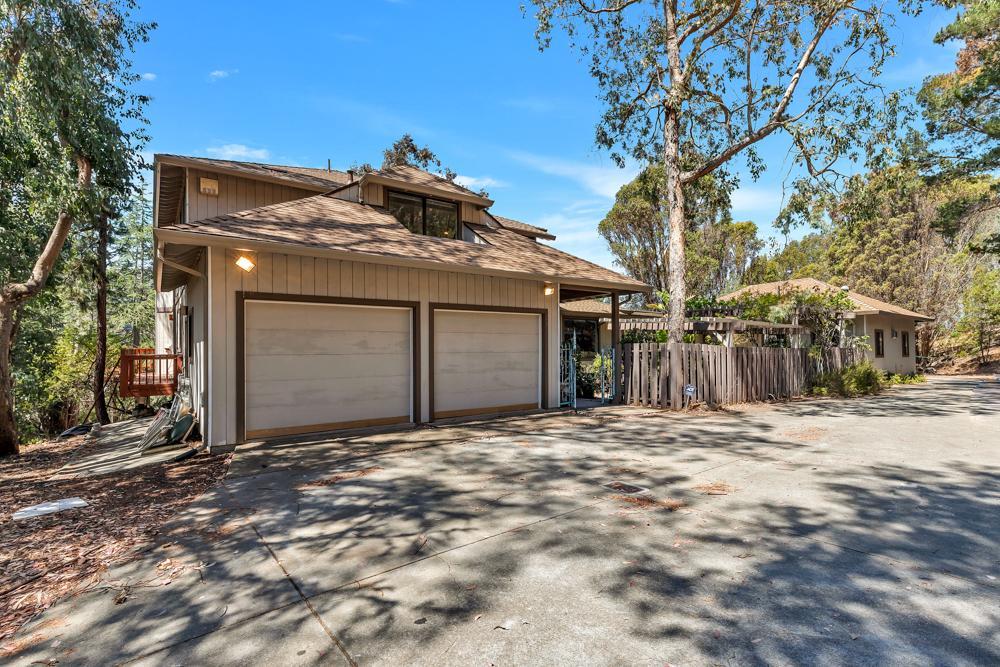
Welcome to 2531 Heide Ct, El Sobrante, CA 94803

Hilltop Estate—an exceptional contemporary retreat with 4 bedrooms, 4 bathrooms, and an open floor plan, all nestled on 1.61 acres of pristine natural beauty.

Inside, you’ll find a captivating living room with a cozy wood-burning fireplace, an inviting kitchen featuring top-notch appliances, a family room with a stylish wet bar, and a gracious formal dining room. The ground floor also offers an office, a convenient powder room, a full bath, and a versatile guest wing.

Upstairs, four spacious bedrooms await, including a luxurious principal suite with a soothing jacuzzi tub. Ample storage, a 2-car garage, and a charming enclosed patio complete the picture.

Beyond the serene woodland setting, this property offers the convenience of being within walking distance to the Kennedy Grove area. For shopping enthusiasts, Hilltop Mall is just around the corner, making it easy to indulge in retail therapy. Additionally, you’ll enjoy swift access to major freeways, including Highway 1-80 and Highway 24, ensuring a hassle-free commute.

But that’s not all—this home also features an ADU (Accessory Dwelling Unit) 

More photos: https://show.tours/2531heidect?b=0

If you’re considering a move or investment and require a trusted Real Estate Broker, we’re here to assist you. Contact us via email at TEAM@McDanielCallahan.com, complete the form below, or give us a call at 925-838-4300. We are ready to provide expert guidance and support for all your real estate needs. Terry McDaniel DRE License #00941526

Go back

Your message has been sent

Warning
Warning
Warning
Warning.

How Do Realtors Get Paid? Understanding Real Estate Commissions

If you’ve ever bought or sold a home, you might have wondered how real estate agents get paid for their services. Real estate transactions involve multiple parties, and understanding how realtors are compensated is essential for both buyers and sellers. We’ll delve into the world of real estate commissions and break down the process of how realtors earn their pay.

The Two Key Players: Listing Agent and Buyer’s Agent

In any real estate transaction, there are typically two main agents involved:

1. Listing Agent: This agent represents the seller of the property. Their primary responsibility is to help the seller market and sell their home for the best possible price and terms.

2. Buyer’s Agent: On the other side of the deal, the buyer’s agent represents the buyer. They assist buyers in finding suitable properties, negotiating offers, and guiding them through the purchase process.

Who Pays the Commissions?

In most real estate transactions, the commissions for both the listing agent and the buyer’s agent are paid by the seller. The seller agrees to pay a certain amount to both agents as part of their listing agreement. This payment is typically calculated as a percentage of the final sales price. However, it’s worth noting that fixed-rate and flat-fee commissions have also become more common in recent years, providing alternative compensation structures for realtors.

The Co-op Agreement

Once the listing agent has secured the listing, they will advertise the buyer’s agent’s commission in the Multiple Listing Service (MLS). The MLS listing serves as a formal agreement between the seller’s agent and the buyer’s agent. This arrangement is commonly referred to as a “co-op” or cooperation agreement.

Getting Paid: The Closing Process

The crucial point to understand is that neither the listing agent nor the buyer’s agent receives their commission until the home sale is successfully finalized at the closing table. The closing process involves various steps, including inspections, appraisals, financing approvals, and legal documentation.

When all the necessary conditions are met, and the sale is completed, the commission is distributed between the listing agent and the buyer’s agent. This distribution is typically based on the terms outlined in the co-op agreement and the original listing agreement.

Visual Breakdown

To give you a better idea of how money flows through a real estate transaction, let’s use an example: a home with a sales price of $500,000 and a commission percentage of 6%. Keep in mind that these numbers are for reference purposes only and can vary based on location and individual agreements.

  • Sales Price: $500,000
  • Commission Percentage (6%): $30,000
  • Listing Agent’s Share (e.g., 3%): $15,000
  • Buyer’s Agent’s Share (e.g., 3%): $15,000

In this example, the total commission of $30,000 is split evenly between the listing agent and the buyer’s agent. These funds are disbursed at the closing, ensuring that both agents are compensated for their efforts throughout the transaction.

Understanding how real estate agents get paid is essential for anyone involved in buying or selling property. By grasping the role of commissions and how they are distributed, you can make informed decisions and work effectively with your chosen real estate professionals during your next real estate transaction.

If you’re considering a move or investment and require a trusted Real Estate Broker, we’re here to assist you. Contact us via email at TEAM@McDanielCallahan.com, complete the form below, or give us a call at 925-838-4300. We are ready to provide expert guidance and support for all your real estate needs. Terry McDaniel DRE License #00941526

Go back

Your message has been sent

Warning
Warning
Warning
Warning.

Living on a Golf Course: Teeing Up the Pros and Cons

If you’re an avid golfer or simply love the serene beauty of lush green landscapes, the idea of living on a golf course might have crossed your mind. While it offers numerous perks, it also comes with some considerations. Let’s tee up the pros and cons of this unique living experience.

The Pros:

  1. Scenic Views: Imagine waking up to picturesque views of manicured fairways and greens right outside your window.
  2. Access to Golf: Living on a golf course often means easy access to your favorite sport. Just grab your clubs and walk to the tee.
  3. Community: Golf course communities often have a tight-knit, friendly atmosphere, making it easy to socialize.
  4. Privacy: The wide-open spaces between homes can offer a sense of privacy that’s hard to find in traditional neighborhoods.
  5. Property Value: Homes on golf courses tend to hold their value well and may even appreciate over time.

The Cons:

  1. Errant Golf Balls: Living near the fairway might mean an occasional golf ball in your yard or even hitting your house.
  2. Maintenance Costs: Some golf communities have mandatory membership fees or assessments for golf course upkeep.
  3. Noise: Golf courses can be noisy, especially on weekends, with golfers and maintenance equipment.
  4. Pesticides and Chemicals: Golf courses often use chemicals for maintenance, which can raise environmental concerns.
  5. Resale Challenges: While property values can rise, selling your home might be a bit trickier due to the limited market of golf enthusiasts.

In the end, living on a golf course is a lifestyle choice. If golf is your passion and you love the idea of a vibrant community with beautiful views, it might be the perfect fit. However, if you’re not a golfer and value peace and quiet, it might not be your cup of tee. Weighing the pros and cons will help you make an informed decision and ensure your new home is a hole-in-one for your lifestyle. ⛳🏡

If you’re considering a move or investment and require a trusted Real Estate Broker, we’re here to assist you. Contact us via email at TEAM@McDanielCallahan.com, complete the form below, or give us a call at 925-838-4300. We are ready to provide expert guidance and support for all your real estate needs. Terry McDaniel DRE License #00941526

Go back

Your message has been sent

Warning
Warning
Warning
Warning.

Turning “The Worst House in the Best Neighborhood” into Your Dream Home: A Fixer Upper Journey

If you’ve ever watched the iconic TV show “Fixer Upper” with Chip and Joanna Gaines, you’re likely familiar with their catchphrase, “The worst house in the best neighborhood.” It’s a phrase that has inspired countless homeowners to see the potential in properties that others might overlook.

1. Vision is Everything: Chip and Joanna Gaines are known for their incredible vision. They can walk into a run-down, outdated house and see the potential for transformation. This kind of vision is essential when considering a fixer-upper. Try to envision the finished product and the unique touches you want to add.

2. Embrace the Challenge: Fixer-uppers come with their fair share of challenges, but Chip and Joanna always emphasize embracing these challenges. It’s not just about fixing what’s broken; it’s about creating something beautiful out of it.

3. Set a Realistic Budget: One of the most critical aspects of any fixer-upper project is setting a realistic budget. Chip and Joanna are experts at working within budget constraints while still delivering stunning results. Be prepared for unexpected costs, and have a contingency fund.

4. DIY vs. Hiring Pros: Chip is the ultimate DIY enthusiast, but even he knows when it’s time to call in the professionals. Consider your own skills and the scope of the project. Some tasks may be suitable for DIY, while others require experts.

5. Attention to Detail: Joanna Gaines is known for her attention to detail and her signature farmhouse-chic style. Pay attention to the little things – the fixtures, paint colors, and finishing touches can make a world of difference.

6. Patience and Persistence: Fixer-uppers take time. Don’t expect instant results. Chip and Joanna often face setbacks but persevere with patience and determination.

7. Enjoy the Journey: Perhaps the most important lesson from “Fixer Upper” is to enjoy the journey. The process of turning a neglected house into a dream home can be incredibly rewarding.

So, if you find yourself considering “the worst house in the best neighborhood,” take a page from Chip and Joanna Gaines’ playbook. With vision, determination, and a touch of creativity, you can transform that fixer-upper into the home of your dreams. 🏡✨ #FixerUpperInspiration #DreamHome #RenovationJourney

If you’re considering a move or investment and require a trusted Real Estate Broker, we’re here to assist you. Contact us via email at TEAM@McDanielCallahan.com, complete the form below, or give us a call at 925-838-4300. We are ready to provide expert guidance and support for all your real estate needs. Terry McDaniel DRE License #00941526

Go back

Your message has been sent

Warning
Warning
Warning
Warning.

Unlocking Affordable Homeownership: 5 Cool American Cities

As the pursuit of homeownership continues to captivate individuals and families across the nation, the notion of finding a home that marries budget-friendliness with a high quality of life may seem like a tall order. However, there’s a silver lining for aspiring homeowners – a collection of five cool American cities where the dream of owning a home under $300,000 is not only attainable but thriving.

  1. Cincinnati, Ohio: Nestled along the Ohio River, Cincinnati blends historical charm with a contemporary cultural scene. This city offers a variety of neighborhoods that cater to different preferences while ensuring affordability remains a key aspect.
  2. Greenville, South Carolina: Cradled in the embrace of the Blue Ridge Mountains, Greenville boasts a bustling downtown, a close-knit community, and ample outdoor recreational opportunities. Affordable homes within scenic surroundings make this city a gem.
  3. Tampa, Florida: Basking in the sun-kissed allure of the Gulf Coast, Tampa has emerged as a sought-after destination for residents and investors alike. The housing market presents a range of budget-friendly options, proving that coastal living can indeed be within reach.
  4. Boise, Idaho: The capital city of Idaho, Boise, showcases a blend of natural beauty and urban appeal. Known for its outdoor adventures, the city’s real estate market accommodates diverse budgets, making it an attractive spot for those seeking affordability without compromise.
  5. San Antonio, Texas: Texas charm meets historical significance in San Antonio. The city’s mix of culture, economic opportunities, and welcoming atmosphere make it a prime destination. Homebuyers can find options that align with their financial goals.

Each of these five cities carries its unique character and charm, but they share a common thread – they offer affordable homeownership options without sacrificing the vibrancy and essence of the American experience. As prospective homeowners explore these locales, they’ll uncover a plethora of amenities, cultural offerings, and a sense of community that promises a fulfilling lifestyle.

Navigating the real estate landscape requires a blend of research, guidance from professionals, and a vision for the future. Whether you’re drawn to the artistic vibes of Cincinnati, the mountainous retreat of Greenville, the coastal allure of Tampa, the outdoor paradise of Boise, or the Texan warmth of San Antonio, these cool cities are paving the way for aspiring homeowners to make their dreams come true. 🏡💰 #AffordableHomeownership #CoolCitiesUnder300K #DreamsComeTrue

https://www.marketwatch.com/picks/5-cool-cities-in-america-where-you-can-still-buy-a-home-for-300k-or-less-b07fa30?mod=mw_more_headlines

If you’re considering a move or investment and require a trusted Real Estate Broker, we’re here to assist you. Contact us via email at TEAM@McDanielCallahan.com, complete the form below, or give us a call at 925-838-4300. We are ready to provide expert guidance and support for all your real estate needs. Terry McDaniel DRE License #00941526

Go back

Your message has been sent

Warning
Warning
Warning
Warning.

U.S. Home Prices Surge Amid Inventory Squeeze: Navigating the Competitive Housing Market

The U.S. real estate landscape has been making headlines once again, and this time it’s the surge in home prices during June that’s captured our attention. As the housing market continues to evolve, it’s crucial to understand the dynamics behind these fluctuations and what they mean for potential buyers and sellers.

The driving force behind the increase in home prices can be attributed to a familiar culprit: limited inventory. With a scarcity of available homes, the market has become fiercely competitive. As the age-old law of supply and demand dictates, when demand surpasses supply, prices naturally rise.

This scarcity of homes is not only a reflection of market dynamics but also of broader economic factors, including low mortgage rates and changing buyer preferences. As more individuals seek to secure their own piece of real estate, the competition for the limited available properties intensifies.

For prospective buyers, this environment presents both challenges and opportunities. On one hand, rising prices can make homeownership seem elusive, especially for first-time buyers or those on a tight budget. On the other hand, it underscores the importance of being strategic and well-prepared when entering the market.

For sellers, the competitive market can be advantageous. Properly priced and well-presented homes have the potential to attract multiple offers, driving up the final sale price.

As the housing market landscape evolves, it’s crucial for all stakeholders to remain informed. Prospective buyers should be diligent in their research, securing pre-approvals and working closely with real estate professionals to navigate the competitive environment. Sellers should leverage market trends to their advantage, but also be mindful of setting realistic expectations.

In this ever-changing real estate climate, staying informed and adaptable is key. Whether you’re buying, selling, or simply observing the market, understanding the factors behind price surges and inventory shortages can help you make more informed decisions. As the U.S. housing market continues its journey, knowledge remains your strongest asset. 🏡📈 #USHomePrices #RealEstateMarketInsights #CompetitiveHousingMarket

https://www.marketwatch.com/story/u-s-home-prices-rose-in-june-amid-inventory-squeeze-969c65a9?mod=panda_marketwatch_author_alert

If you’re considering a move or investment and require a trusted Real Estate Broker, we’re here to assist you. Contact us via email at TEAM@McDanielCallahan.com, complete the form below, or give us a call at 925-838-4300. We are ready to provide expert guidance and support for all your real estate needs. Terry McDaniel DRE License #00941526

Go back

Your message has been sent

Warning
Warning
Warning
Warning.

The Starbucks Effect: Real Estate Wisdom Within 3 Miles

If you’re sipping your latte in a bustling Starbucks, have you ever considered that you might also be sitting on a valuable real estate investment? The iconic coffee chain isn’t just about beverages; it’s about strategic locations and thorough market analysis. Here’s why having real estate within 3 miles of a Starbucks might be a smart move.

Starbucks invests heavily in market research before planting a new store. Their considerations go far beyond the perfect roast; they delve into median income, population growth, local demand, and more. What does this mean for your real estate? It could mean you’re in proximity to a spot that Starbucks has already approved as prime real estate.

When Starbucks sets up shop, it’s often a signal of an area’s potential growth. A bustling Starbucks can draw foot traffic, create a hub for social interactions, and be a driver for local development. The careful selection of Starbucks locations is backed by data and insights, making the area an attractive choice for real estate investment.

While the coffee aroma wafts through the air, it’s not just caffeine that’s brewing; it’s a sense of growth and future value. Having a Starbucks nearby can be a positive indicator of the local economy’s health, which often correlates with healthy property values.

So, if you’re wondering about the real estate you own within 3 miles of a Starbucks, take a moment to appreciate the meticulous market research that led that coffee shop to your corner. The Starbucks effect could be more than a cup of coffee; it could be a cup of investment wisdom in your hands. ☕🏢 #StarbucksEffect #RealEstateInsights

If you’re considering a move or investment and require a trusted Real Estate Broker, we’re here to assist you. Contact us via email at TEAM@McDanielCallahan.com, complete the form below, or give us a call at 925-838-4300. We are ready to provide expert guidance and support for all your real estate needs. Terry McDaniel DRE License #00941526

Go back

Your message has been sent

Warning
Warning
Warning
Warning.